



Building digital capability in nuclear: Amy’s unexpected career journey into an exciting new sector
Meet Amy Greir, senior principal digital consultant at Mott MacDonald. Amy didn’t begin her career in digital and she certainly didn’t imagine she’d end up working in nuclear. But her journey shows just how valuable curiosity, transferable skills and a strong digital mindset can be.
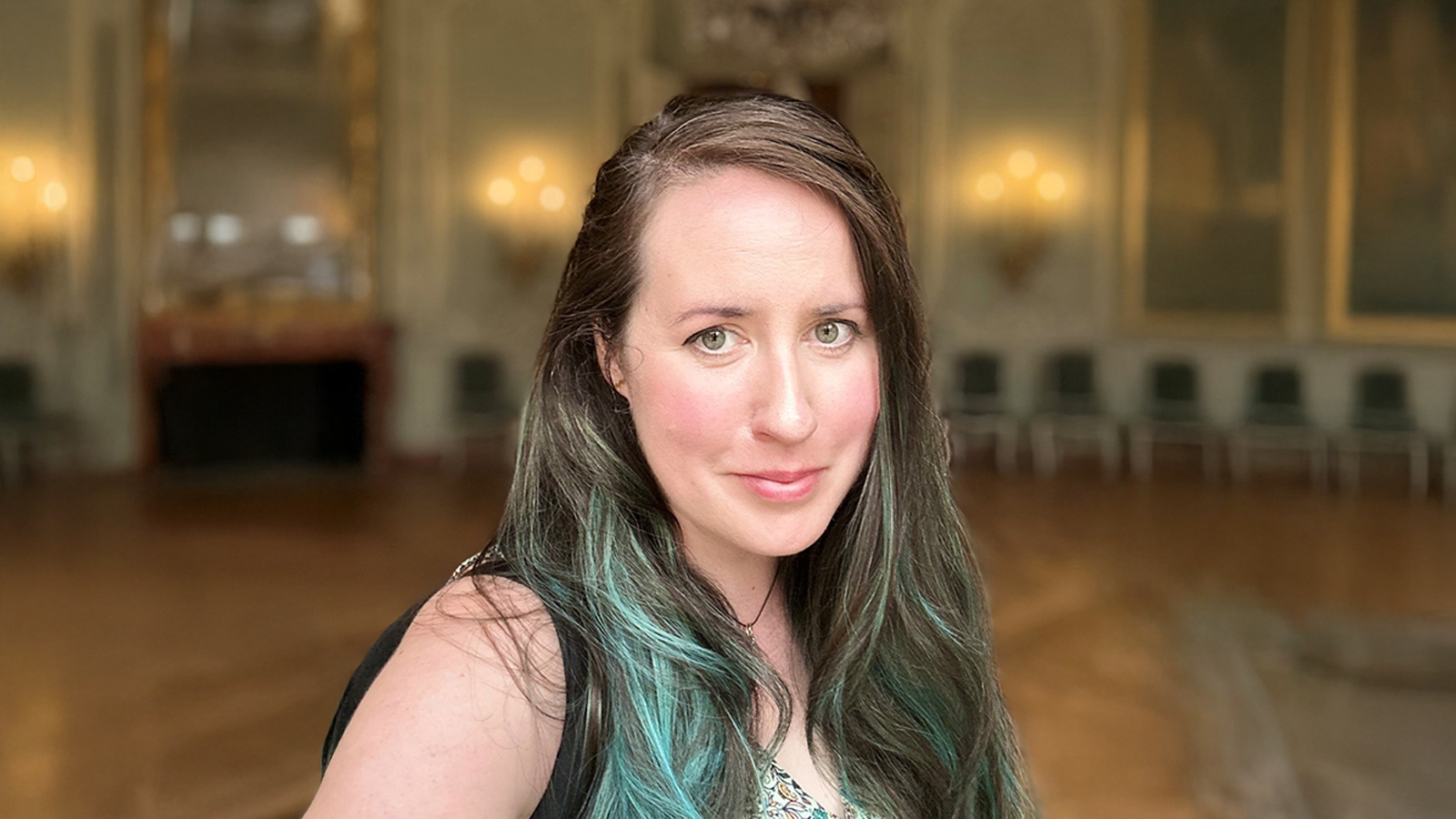
Today, she’s helping shape the future of digital delivery in nuclear and building confident digital teams. Amy’s career proves that you don’t need a nuclear background to make a meaningful impact in the industry and make a difference to society.
How did your career begin and how did you move into digital?
I started my career as an archivist and historian, where I was fascinated by how people’s stories and records were captured and organised. Over time, my work evolved from paper-based archives to digital information systems, governance and knowledge management. That shift naturally pulled me into digital consultancy where I could help organisations understand their information and build solutions around it.
Having no nuclear experience before joining Mott MacDonald, how did you find that transition?
It was daunting. Nuclear is a sector where many people have decades of experience and I was brand new, not just to nuclear, but to energy as a whole.
Once I got involved, I realised many of the digital and information management challenges I was experienced at handling are shared across sectors. My experience in government, transport, property and health actually translated really well into nuclear.
What really made the transition work was learning how to root my digital knowledge in deep sector understanding. You can make the biggest impact when you’re genuinely curious about how things work and open to drawing on the expertise around you.
I’m lucky at Mott MacDonald that I have incredible nuclear specialists within easy reach, people who’ve spent years in the industry and are always willing to share their insight. Tapping into that knowledge has helped me adapt quickly and apply my skills in the most meaningful way.
Why did you choose Mott MacDonald?
I’d always worked in UK institutions, so joining a global company was a big draw. Now I work with colleagues across the UK and internationally, including in France, where Mott MacDonald has a growing nuclear presence and that brings huge diversity of thought and ways of working. It keeps me challenged, supported and constantly learning.
What opportunities exist for digital specialists in nuclear?
Digital touches every part of the nuclear sector. It isn’t a single discipline, but a blend of technical capabilities underpinned by project management, user research, analytics, governance, business analysis and more. Because of that, the opportunities are incredibly broad.
The real value comes from bringing these strengths together. What matters is understanding the contribution you make, whether that’s improving processes, solving data challenges, shaping user experiences or supporting programme delivery and how that helps meet real user needs and the wider goals of the organisation. When you can connect your digital expertise to the sector’s challenges, that’s where you can make the biggest impact.
How is Mott MacDonald supporting your growth and leadership?
There’s strong support for both technical and softer digital skills, particularly through early career programmes and access to training courses in BIM 19650 and business analysis for example.
A major milestone for me was taking part in Mott MacDonald’s Women in Leadership training programme. It gave me confidence, helped me understand my strengths and gave me clarity on the direction I want to take my career. It’s been transformational.
How do you support and develop digital talent within your team?
A key part of digital work is translating complex information into something accessible and meaningful. I spend a lot of time helping colleagues, especially early career professionals, develop those storytelling and communication skills.
In nuclear, where the environment is so technical, the ability to make digital clear and relevant to people on the ground is essential.
How is digital transforming the future of nuclear?
Historically, nuclear has been very document heavy. The shift now is towards a data centric approach with structured information, digital twins, better information management and tools that support safer, faster and more repeatable delivery.
If we get the foundations right, this will accelerate how nuclear projects are designed, delivered and replicated across the sector.
What excites you about working in digital nuclear?
I’m currently information management lead on a major UK nuclear project, one that’s seen globally as a benchmark for how nuclear can be delivered in the future.
Seeing how much the organisation has grown digitally in just a year and knowing that we’re helping move the dial, feels incredibly rewarding. It’s exciting to be part of something that has such national significance.
What advice would you give to someone considering a digital role at Mott MacDonald?
Be bold. Bring your ideas. Try things.
Curiosity is one of the most important attributes you can have. Don’t be afraid to challenge or ask why. That’s how you grow and that’s how digital solutions are shaped.
Your skills will be valuable here regardless.


FIND YOUR NEXT JOB WITH US
We are looking for enthusiastic, inspiring, and committed people to join our growing team.
