




How Zorica Ludzheva has brought her architecture skills to the nuclear sector and found new opportunities in space
Zorica Ludzheva’s career path is anything but conventional. With a passion for solving complex design challenges, she’s progressed from industrial architecture to designing nuclear facilities and now has her sights set on space.
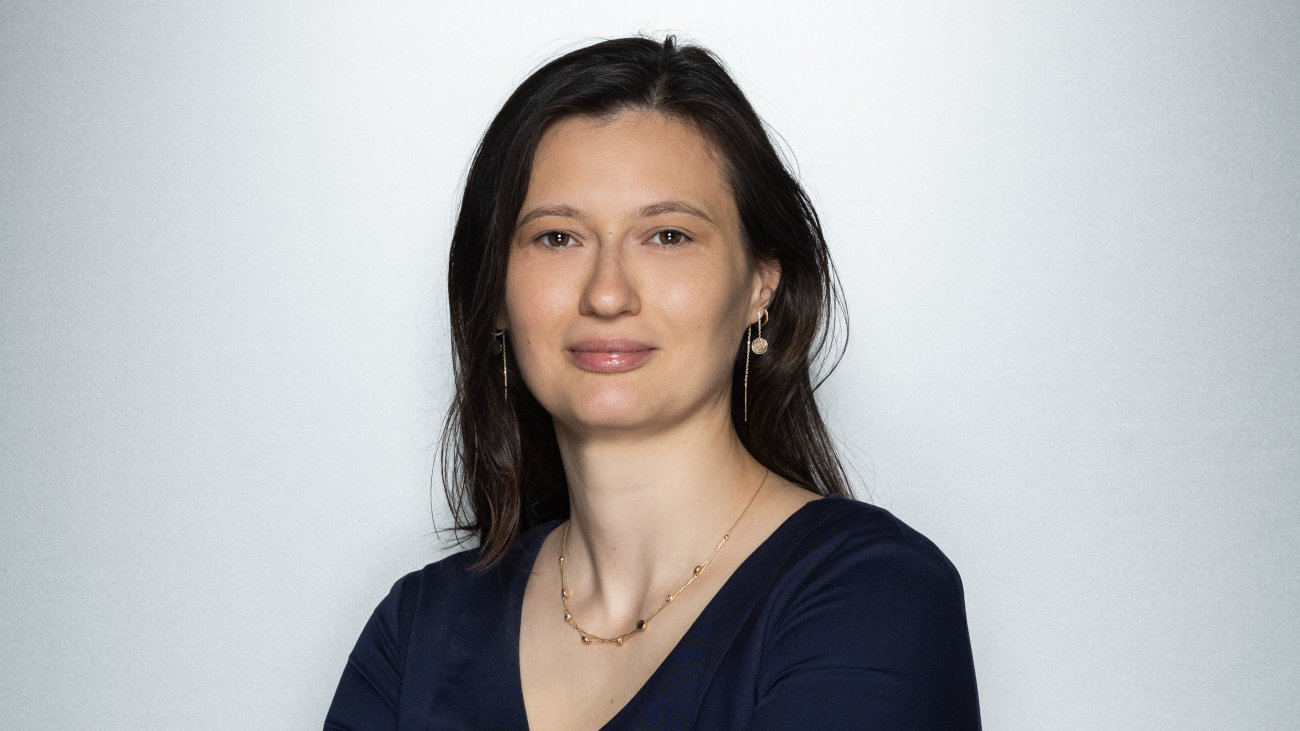
What first interested you in a career in architecture?
I liked the idea of creating spaces that improve society and transform people’s lives. Initially, I thought I’d work on traditional buildings, but I quickly found myself drawn to industrial architecture, which offered a different kind of complexity. While I was working for a Bulgarian development company, one of my first major projects was designing a winery which needed to combine both aesthetics and functionality. Later, I worked on a satellite plant in Morocco for a company that makes electrical systems for cars. I found the challenge of integrating technical processes with architectural design incredibly rewarding. I love figuring out how everything fits together.
Why the move into the nuclear industry?
I was looking for a new challenge and different way to use my skills and it felt like a natural evolution. Industrial buildings are complex, nuclear facilities even more so. I’ve always believed in nuclear energy as part of a sustainable future, so it felt right. I also enjoy the sense of purpose in nuclear, of being part of something bigger than myself. When you say “nuclear”, people often think about power plants but there is so much more to it than that, from scientific facilities doing ground-breaking work in nuclear physics and nuclear medicine to radio-isotope treatment research. Working in nuclear allows me to contribute to meaningful projects that improve lives and push boundaries.
How did your background in architecture help you quickly assimilate into Mott MacDonald’s nuclear team?
As an architect, you are by nature a generalist. You have to understand inputs from engineers, clients and legal advisors, as well as taking into consideration health and safety, schedule and budget constraints. In nuclear, this becomes even more critical. You’re having to design around the most stringent safety legislation and incorporate highly complex scientific equipment and processes. My ability to collaborate and quickly understand multiple, sometimes conflicting, requirements has been essential.
Can you give an example of a project you’ve worked on at Mott MacDonald where your transferable skills were valuable?
I definitely had to hit the ground running as my first project was part of MYRRHA – the Multi-purpose HYbrid Research Reactor for High-tech Applications – which is a new nuclear facility in Belgium and the world's first research reactor powered by a particle accelerator. I was one of five architects from Bulgaria and the UK working collectively on the project and I had to learn a lot quickly. Fortunately, I was used to that from managing architecture projects and I was supported every step of the way. We had regular meetings with scientists and engineers who helped us to understand the technology, and I also had access to colleagues who could explain everything from basic nuclear principles to complex safety requirements. I also read every technical manual I could find because it’s an architect’s job to know about everyone’s role and how they operate within the building and on the site as the design had to meet the needs of all users. It was a steep learning curve but having that support network made all the difference.
How have you been supported in your career progression at Mott MacDonald?
One of the best things about Mott MacDonald is that there are so many opportunities to develop your career and you’re really encouraged to expand your technical skills and try new things, within your own discipline or even in a completely different one. I’m currently studying for an Executive MBA in Space Architecture and Technology Management at Vienna University of Technology, thanks to a career development scholarship from Mott MacDonald. It’s an Executive MBA programme for working professionals, so I still work full time but can take time off for some modules which take place over long weekends.
What interests you most about designing space architecture?
Space architecture takes designing industrial buildings to another level. It might seem a world away from the nuclear industry but my expertise in designing nuclear research facilities and application centres, which need to protect humans from radiation, is the perfect background for developing safe, people-friendly infrastructure in space. Designing for space means designing for the most extreme environments, plus you have to consider the psychological effects of isolation and complete self-reliance. It’s the ultimate challenge of integrating technology, safety and human usability. It’s fascinating.
What keeps you at Mott MacDonald?
I feel fortunate to work in a very diverse environment and I think that’s one of the reasons why many people join Mott MacDonald and then stay here. It’s important to have that diversity of thought and experience. When people come together from different backgrounds, nationalities, genders and education, they can do great things.
What would you say to someone thinking of switching to a career in nuclear?
Don’t be intimidated; your existing skills – whether in architecture, engineering or another field – can be incredibly valuable. Be curious and open to learning. The key is to have a mindset of continuous learning and to surround yourself with people who support your growth. It’s a challenging field, but also very rewarding.


Develop your own career with us
We are looking for enthusiastic, inspiring, and committed people to join our growing team.
