



Inclusive culture key to meeting demand for skilled nuclear specialists
The government has set a target for 40% of nuclear industry workers to be women by 2030 and Mott MacDonald is actively working towards this goal
Mott MacDonald sees the Women in Nuclear mentoring programme as key to supporting more women in staying in the industry
Women from Mott MacDonald’s nuclear business spoke at the 32nd Women in Nuclear Global Annual Conference in London on diversity and inclusivity, as well as technical topics
Annual Women in Nuclear conference puts the spotlight on the role of representation
Women in Nuclear UK was formed just over 10 years ago to address the industry’s gender imbalance and improve the representation of women in leadership. Ahead of the annual conference, two women from Mott MacDonald’s nuclear team discuss how the business’ inclusive culture is helping to drive change and the challenges that still exist.
Diversity and inclusivity have been used to shape the agenda for the 32nd Women in Nuclear (WiN) Global Annual Conference, which starts in London on 14 July, rather than solely technical topics. It’s not that there hasn’t been progress on addressing the gender imbalance in the industry, it’s more that the government’s nuclear growth plans will call for more people to join the sector than ever before.
Last year’s Civil Nuclear Roadmap to 2050 sets out plans to increase nuclear generation by up to four times to provide enough energy to supply 25% of the UK’s future electricity needs. While achieving funding and planning permission for new projects is critical, retaining people within the existing nuclear workforce, as well as attracting people from other sectors, will be essential to meet these targets.
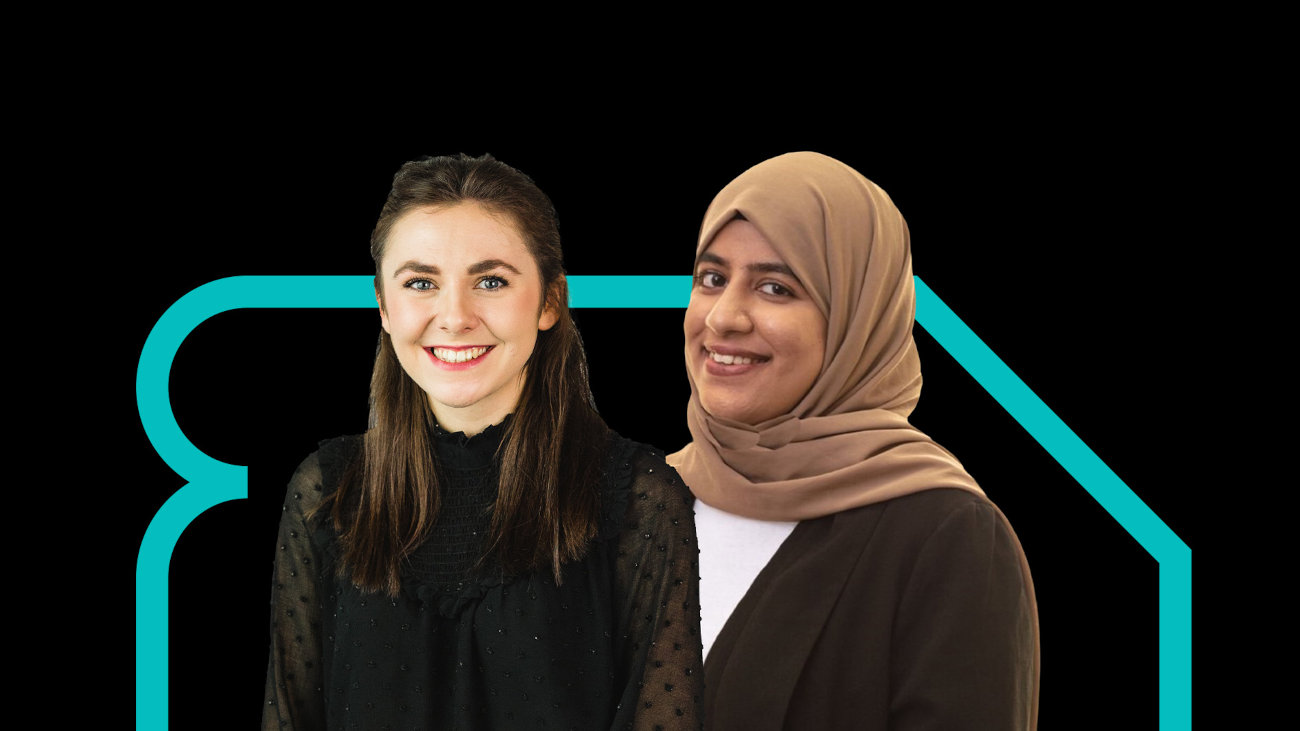
Creating an inclusive culture, along with clear opportunities for career development, has always been important for Mott MacDonald and the business applies the same approach to the nuclear sector. Experience of this in action will be shared by Mott MacDonald nuclear process engineer, Sophie Malcolm, and nuclear safety engineer, Natasha Khan, when speaking on a panel looking at the role of mentoring in the sector at WiN.
Natasha is one of a new generation of nuclear specialists at Mott MacDonald who are working to attract a more diverse workforce into the sector and promoting a workplace culture that supports all colleagues to succeed in their careers.
“One of the reasons that I applied to join Mott MacDonald was the values of the business,” says Natasha. “I was looking for a company that aligned with my own outlook and prioritised social outcomes and social value across its work.”
As an intern for an international development charity, Natasha developed a passion for equality, diversity and inclusion (EDI) and, as a Muslim woman of colour going into the nuclear industry, she was very aware of the importance of visibility and representation in a sector traditionally dominated by white men.
She adds: “I firmly believe that ‘if you can’t see it, you can’t be it’. If you never see a woman of colour in a senior position in nuclear, how could you aspire to be that? I've had people messaging me on LinkedIn, saying they've never seen another woman wearing a headscarf in the engineering industry before, so visibility is key.”
But it’s about more than just being seen, Natasha explains that it’s about working in an environment where everyone is valued and supported. Natasha is working to ensure that happens in practice by co-vice chairing Mott MacDonald’s Advancing Race and Culture Network, which advocates for EDI within the business to drive continual improvement in culture and practices.
“The culture at Mott MacDonald is, if you’ve got the talent and determination we will support you to go as far as you want in your career,” says Natasha. “I've also found that people are willing to challenge behaviours which go against company values. People feel comfortable questioning what they see and hear. They feel listened to when they share too.”
The values and culture were a draw for Sophie too and she was instrumental in setting up Mott MacDonald’s own WiN committee. She was relatively new to the business when she asked senior leaders to fund the corporate membership of WiN and worried there would be some resistance.
“They were delighted to support it and that financial backing really showed their commitment,” she adds. “We now send women to the conference every year and speaking on the panel this time is great for showcasing what we do in the nuclear sector at Mott MacDonald.”
It was this funding that was key to both Natasha and Sophie accessing the reciprocal mentoring programme that Mott MacDonald’s WiN group offers, which pairs junior and senior colleagues to share experience and learn from each other.
“I’ve learned so much from my mentor,” says Natasha. “I feel like he’s a real ally. But as a white man, there may be things that he’s just not aware of, so I feel I’m able to give him my perspective on issues such as how our EDI policies work on the ground, gender microagressions or unconscious bias that he might not be aware of. It’s important to talk about these matters at all levels and reciprocal mentoring gives you that opportunity.”
Sophie believes that initiatives, such as WiN’s mentoring programme, are crucial for attracting more women into the nuclear sector. “The government has set a target of 40% of nuclear industry workers being women by 2030,” she adds to underline the need for change. While Mott MacDonald is ahead of the curve in its EDI policies and pursuing this target, there is still room for improvement. “When I first started at Mott MacDonald, my entire team in my office was male except for me,” says Natasha. “Since then, it's become much more diverse, but mostly at graduate level. We’re still looking for more mid-career and senior level women to join us.”
Going back to Natasha’s earlier observation that “if you can’t see it, you can’t be it” she believes there still needs to be more diversity within all levels of management but that seeing it in more senior roles is what will make a difference. She adds: “If you've got it right at the top, the rest will follow. There’s still work to do, but it’s a good start.”


Subscribe for exclusive updates
Receive our expert insights on issues that transform business, increase sustainability and improve lives.