




Why ASEAN’s energy transition needs bold action now
ASEAN’s energy demand is surging, driven by digital transformation. This requires gigawatt-scale renewables and a connected regional grid.
Firmed renewables and subsea interconnectors are critical, but projects face regulatory gaps, financing hurdles and supply chain bottlenecks.
Early action is essential: secure HVDC cable capacity, shape revenue support frameworks, and plan for lifecycle stewardship.
Mott MacDonald’s energy sector leader for Asia, Philip Napier-Moore, explores the opportunities and challenges shaping ASEAN’s clean energy transition – and what must happen next.
Energy demand across Southeast Asian nations is rising rapidly, driven by the region’s accelerating digital transformation. To meet this demand sustainably, ASEAN must scale renewable energy projects to the gigawatt level and build a connected regional grid. But the race to deliver firmed renewables and subsea interconnectors is being slowed by regulatory gaps, financing hurdles and global supply chain bottlenecks that, if not overcome, could delay projects for years.
The promise – and the pressure
Firmed renewables – hybrid systems combining solar PV with battery energy storage – are proving they can deliver stable, affordable, low-carbon electricity to support energy-intensive digital infrastructure. Some projects under construction are already competing with coal for round-the-clock power. But firmed renewables alone won’t meet ASEAN’s climate and energy security goals.
Cross-border electricity trade, enabled by subsea interconnectors under the ASEAN Power Grid (APG), is essential to unlock regional resources and balance intermittency. Singapore’s conditional awards to import up to 3.4GW of firmed solar from Indonesia illustrate the scale of the opportunity. This move alone could increase the region’s installed solar capacity by more than 70%, yet these projects still face hurdles before they become bankable.
"Mind the gap”
Despite recent announcements, there are some challenges with APG links, including:
- Intend to rely on private sector financing, including commercial lenders, but lack a regulatory mechanism to guarantee revenues over the loan term, which is essential for bankability.
- Face routing uncertainties pending authority approvals, community engagement and detailed land/subsea surveys.
- Face limited visibility on how the project may be used long-term as part of a wider ASEAN power grid.
- Require FEED-stage decisions based on the finalised route and long-term applications that will determine technology choices and costs.
Precedents from Europe show that project development costs can exceed US$60m, and booking deposits for subsea cables – often 10-20% of cable value – must be placed two to three years before financial close, and sometimes eight years before operation. Manufacturing slots remain scarce, with lead times stretching up to four years. These realities create a financing gap early in development and expose projects to significant schedule risk.
We see clear pathways to overcome these challenges, with four key approaches standing out.
- Act early on supply chain commitments
Global HVDC cable and converter capacity is tight – as is competition for manufacturing slots. Developers cannot afford to wait until financial close to secure production capacity. Booking slots early – even years ahead of construction – is a prerequisite for staying on schedule. Joint procurement models, which aggregate demand across multiple projects, offer a proven way to reduce costs and mitigate lead-time risk. This approach has worked in Europe and could be transformative for ASEAN.
Work currently underway by the Asian Development Bank (ADB), with our support, and by the Green Grids Initiative, aims to establish pathways for ASEAN to adapt such approaches. - Shape regulatory frameworks for bankability
Financing these projects on a non-recourse basis will require clear revenue support mechanisms. Cap-and-floor regimes, which guarantee minimum returns while capping excess profits, have enabled European interconnectors to attract private capital without burdening taxpayers or ratepayers. ASEAN regulators and proponents should collaborate to adapt similar models, providing public backstops to bridge long-term offtake uncertainty. Without these frameworks, projects risk stalling at the financing stage. - Plan for lifecycle stewardship and security
Subsea cables are not “install and forget” assets. They demand long-term strategies for maintenance, protection and repair, especially in an evolving maritime security environment. Burial depth requirements, additional protections such as rock armour, and cyber-security measures must be factored into early design. Coordinating these efforts across projects will be critical to safeguarding infrastructure resilience and regional energy security. - Invest in capacity building and scenario planning
ASEAN needs a sustained programme to build technical and regulatory expertise, drawing lessons from markets like the UK that have successfully delivered interconnectors under complex conditions. Scenario planning should also become standard practice, ensuring today’s bilateral links can evolve into tomorrow’s integrated grid. Designs must anticipate future generation technologies, different cable loading cycles and ancillary services to maximise lifetime economic value.
Strategic opportunities
Beyond risk mitigation, there’s a chance to reshape ASEAN’s energy economy by:
- Localising manufacturing for solar, energy storage and HV components to reduce import dependence and build resilience.
- Harmonising technical standards and market rules across borders to accelerate APG rollout.
- Extending guidance such as the ACE interconnector playbook into a practical guide for bankable project development, covering regulatory models and financing-grade E&S standards.
The Terra Solar case study
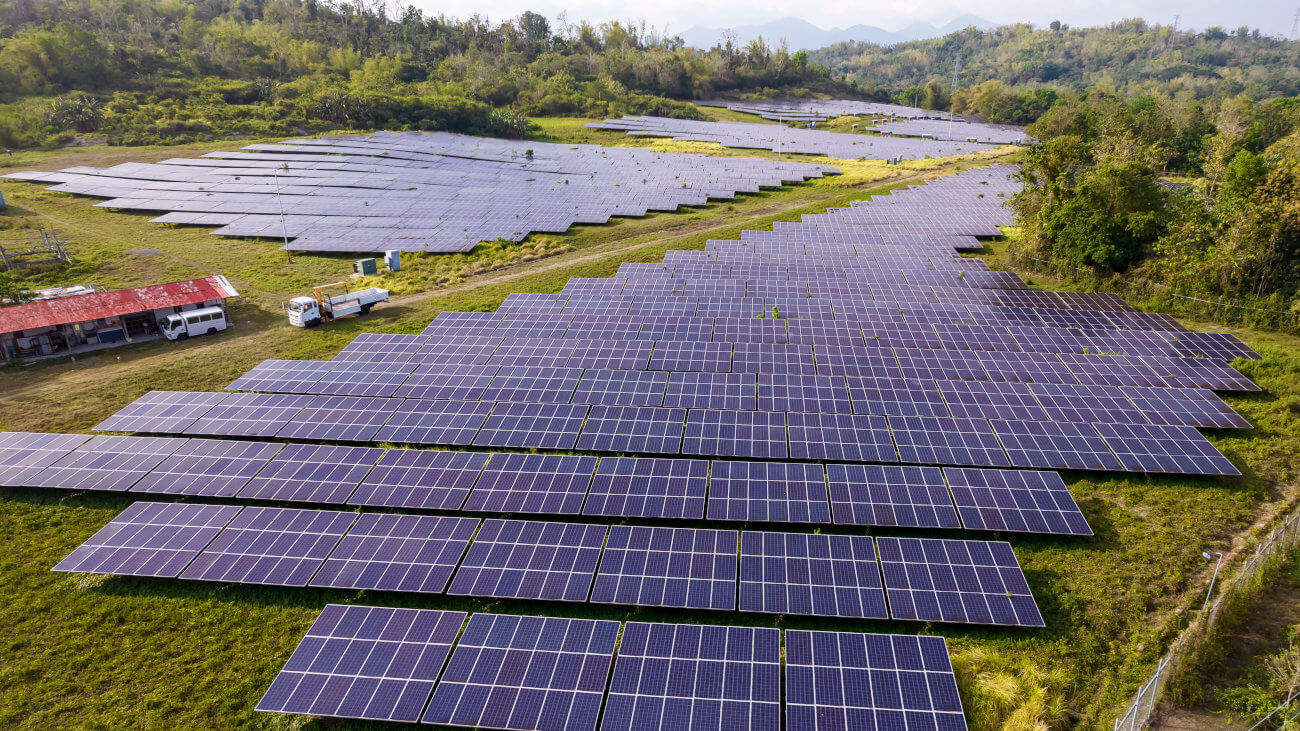
The Terra Solar project in the Philippines, for which we were the owner’s engineer, represents a landmark initiative aimed at transforming the region’s energy landscape through large-scale deployment of hybrid solar and battery energy storage systems (BESS). It provides a direct regional precedent for the gigawatt scale imports of firmed solar that Singapore plans.
Designed to deliver 3.5GWp of solar PV capacity, paired with 4.5GWh of BESS, Terra Solar is ASEAN’s largest contracted hybrid solar and battery system. Delivering firmed output of up to 850MW, it demonstrates that gigawatt-scale renewables with storage are no longer hypothetical – they’re commercially viable.

A key innovation lies in the project’s engineering, procurement and construction (EPC) contracting strategy, which enabled a globally unprecedented PV deployment rate of up to 160MW per month. This was supported by a robust infrastructure design and transport logistics plan that facilitated parallel activity by multiple contractors. The scale of construction was equally ambitious, with a projected workforce of up to 20,000.
Construction started in November 2024 and received US$2.7bn in debt financing by April 2025, underscoring its bankability and strategic importance.
This precedent should embolden ASEAN to pursue similar scale and ambition in cross-border projects.
The way forward
Energy storage and cross-border power interconnections provide critical flexibility to accommodate increasing shares of renewable energy.
To realise this potential, ASEAN nations must collaborate not only on investment and construction, but also on the long-term stewardship of subsea infrastructure. This includes licensing, regulation, maintenance, protection and repair for the duration of their lifecycles.
A whole-lifecycle approach, combining engineering, energy sector regulation and security policy, is essential to ensuring the resilience of these assets and building regional capacity for the next phase of the ASEAN grid roll-out.
About the author


Subscribe for exclusive updates
Receive our expert insights on issues that transform business, increase sustainability and improve lives.