



Pioneering carbon management in the Australian water sector

Project overview
For large organisations in Australia, mandatory reporting of Scope 1 and 2 carbon emissions began on 1 January 2025, with Scope 3 reporting set to follow in 2026. South East Water, one of Melbourne’s metropolitan water corporations, was already on top of tracking emissions from fuel and energy use (Scope 1 and 2).
However, it didn't yet have a comprehensive understanding of Scope 3 emissions – those generated through construction, operational maintenance and supply chain activities.
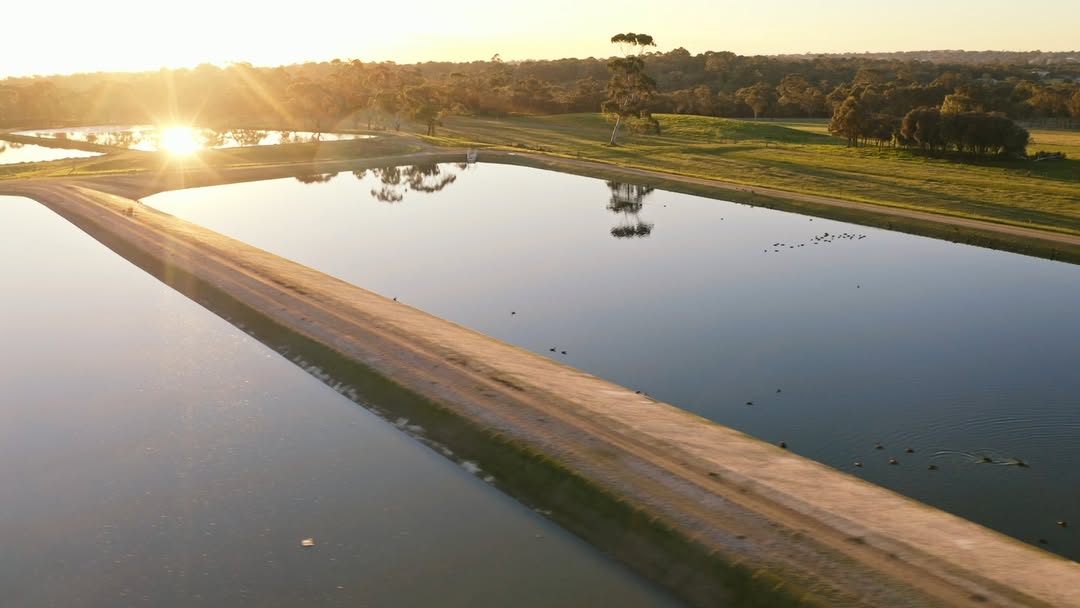
Rather than wait for the regulatory deadline, South East Water chose to act early. With a large portfolio of water infrastructure projects underway, ranging from smaller renewals to major treatment upgrades, it saw an opportunity to lead the sector in carbon assessments and management.
This is the story of how we partnered with South East Water to develop the decarbonisation roadmap, processes and internal capability that has put it ahead of future reporting obligations.
Becoming carbon curious
Carbon assessment is still an emerging practice in the Australian water sector, and South East Water’s internal awareness was limited. While this approach was new for the organisation and the local industry, it wasn’t new for us. We’ve worked with water clients internationally to implement carbon tracking and management, using the same tools and techniques that helped South East Water get ahead of its reporting obligations. Drawing on this global experience, we were able to guide South East Water through the process, build internal capability, and tailor a solution that suited its unique portfolio and sustainability goals.
Although South East Water had Scope 1 and 2 reduction goals aligned with Victoria’s ambition to be the first net-zero water sector in Australia by 2035, it still needed specific decarbonisation KPIs.
Following our previous collaboration with South East Water on the functional design and Scope 1 and 2 emissions assessments for major upgrades to the Longwarry and Lang Lang Water Recycling Plants, our carbon specialists introduced the water corporation to our Carbon Portal, a tool designed to track and manage embodied carbon across infrastructure projects.
What is the Mott MacDonald Carbon Portal?
A decarbonisation solution used to manage and reduce carbon on global infrastructure projects. Part of our robust digital platform, the Carbon Portal supports energy, water and transport sectors, aiding in carbon decision-making, accounting and low-carbon design. Intuitive for all users, it aligns with PAS 2080 guidance - a global standard co-authored by Mott MacDonald for managing whole-life carbon in infrastructure.
Learn more about our digital solutions.
Enhancing capability through collaboration
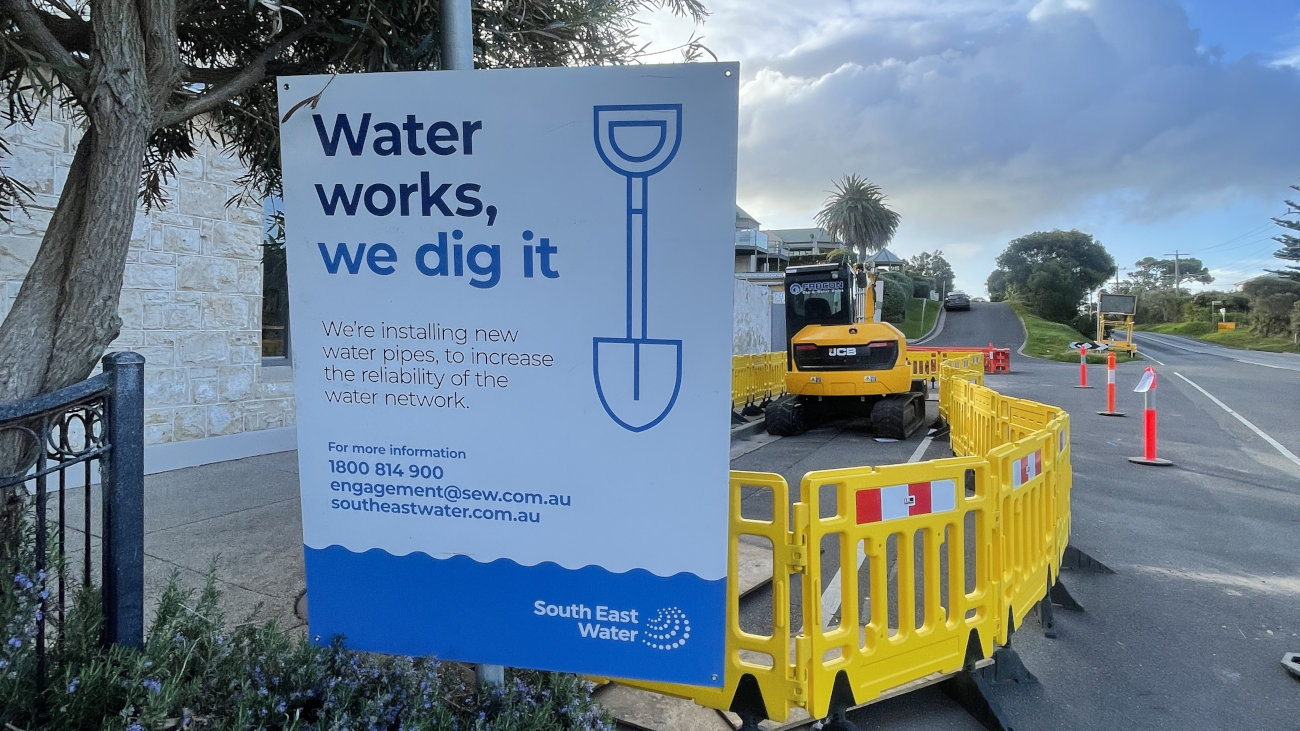
Building on our relationship and understanding of South East Water's existing and future projects, we began carbon baselining using our Carbon Portal to measure capital emissions across all stages of delivering a project. Under South East Water's integrated planning and delivery (IPD) framework, all stakeholders – from internal project managers to delivery contractors – are now responsible for considering and measuring carbon in design and adopting less carbon-intensive products and processes.
We started with a pilot assessment of 20 projects at various stages – from early master planning, design and delivery, through operational, to end-of-life phase – modelling emissions across the entire project lifecycle. This helped South East Water understand the process of carbon assessments, what these assessments look like at different project design stages, and where their carbon hotspots are to be able to make targeted carbon reductions.
Carbon optioneering: lower carbon = lower cost
Many of South East Water's projects were in the concept and feasibility design phase, with multiple design options under consideration. Our assessments helped teams compare materials and construction methods to identify and reduce emissions and costs.
Below are two examples.
Project A: wastewater flush tank material
- Stage: concept and feasibility design
- Finding: most emissions came from concrete and steel
- Outcome: switching from a steel tank to a buried reinforced concrete tank reduced emissions by nearly 13 tonnes CO2eq


Embodied carbon emissions from Option 1 are significantly higher than those of Option 2
When constructing flush tanks the largest emissions come from materials
Of these materials, concrete and steel are biggest contributors
Alternative tank construction can reduce emissions
“That final model becomes a valuable reference point – you can look back at the concept design and see where optimisations were made, where things went over or under expectations. Those insights become lessons learned that inform future projects,” says Eileen Truong, one of our civil engineers working on the project.
Project B: network upgrade methodologies
- Options compared for pipe alignment:
1. Opencut installation with internationally sourced materials
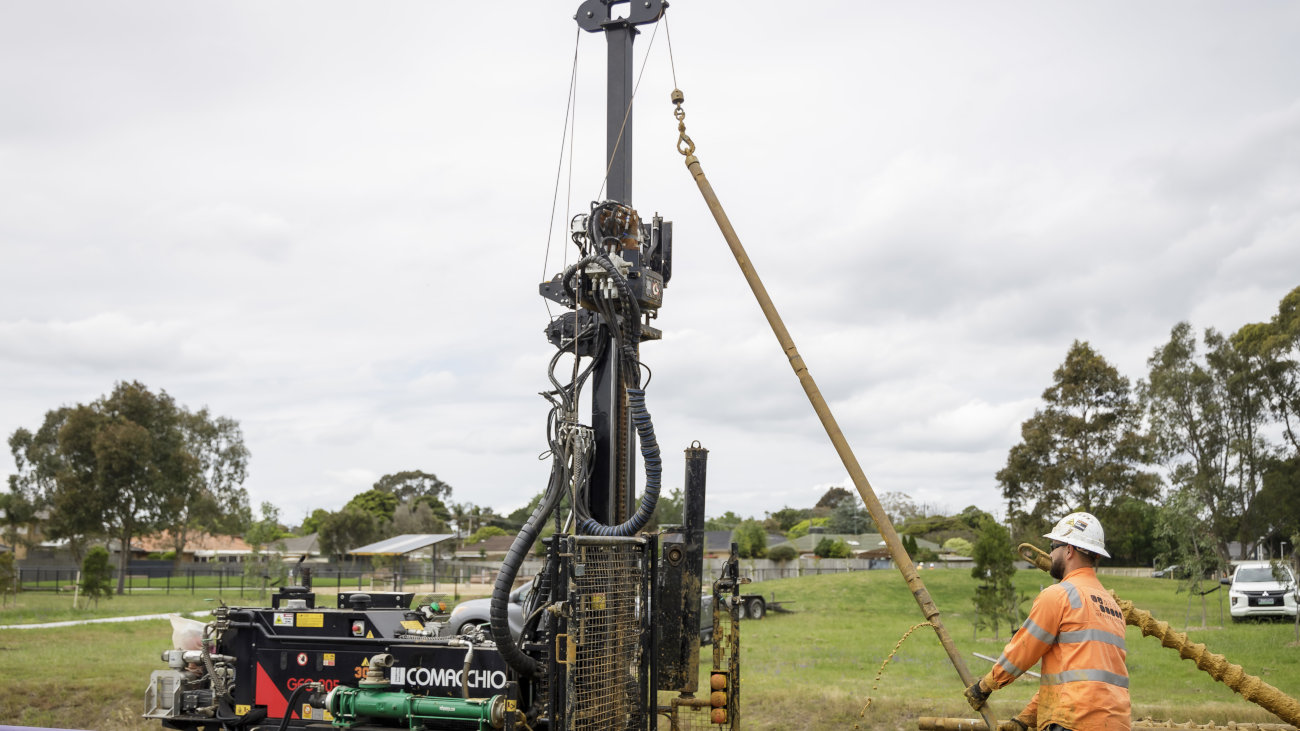
2. Directional drilling with locally sourced materials - Outcome: Option 2 reduced emissions by 1,000 tonnes CO2eq and was more cost-effective.


Option 1: opencut pipe installation, with materials sourced internationally, has higher emissions from construction materials and transport
Option 1 also has a higher distribution of materials due to opencut installation methods
Option 2: directional drilling pipe installation with locally sourced materials reduced emissions by 1,000 tonnes CO2eq
Option 2 uses predominately HDPE pipes, with plastics dominating the material breakdown
“Most clients lean towards the cheaper option for projects, but we were able to show in a very tangible way that the cheapest option is very often the lowest carbon one. This demonstrates a strong business case for decarbonisation,” says Eileen.
Following the successful pilot, we developed custom carbon models for an additional 40 infrastructure projects across South East Water's portfolio. These assessments provided a detailed emissions profile and identified hotspots for reduction.
Together, we co-developed an ambitious carbon reduction roadmap with targeted KPIs to help South East Water meet its net-zero 2028 goals.
Making sustainability business as usual
South East Water now has:
- Two clear KPIs for carbon management
- A robust and accurate emissions profile
- A five-year actionable plan to reduce emissions and meet future reporting requirements
Carbon awareness has grown significantly across South East Water. Employees are now more engaged and knowledgeable about both organisational and construction emissions, and it has a comprehensive understanding of carbon across diverse infrastructure projects, including treatment plants, pipelines and pump stations. With ongoing training and support, South East Water is embedding best practice and driving lasting change.
“They’re ahead of where they need to be and ahead of the entire industry – really pioneering this space in Australia,” says Eileen.
Advice for water agencies looking to decarbonise
Sarah Shallcross, senior environment and society consultant, has the following advice for water agencies in Australia that are looking to decarbonise:
- Find a carbon champion in the business. Designating a dedicated person – or people – to drive the process is essential for keeping things on track and building internal capability. Having executive buy-in and involving them early in the journey is also crucial. Reporting will become obligatory, so it’s in their best interest to be across it, especially when it comes to signing off climate disclosures.
- Get ahead of legislative changes. Voluntary action on carbon not only prepares organisations for future regulation but also delivers immediate cost benefits while creating momentum and establishing accountability. Early adoption allows time to refine data collection, improve accuracy and address challenges before facing regulatory scrutiny.
- Implement the PAS 2080 framework. Businesses should change their thinking and question whether they really need to build new infrastructure. And if they do, they should ask if it could be built better, or if they can reduce what needs to be built. As you move through the design, swap out for lower-carbon materials or change construction methods. These are all key tenets of PAS 2080, but a lot of it comes down to mindset and upfront multi-criteria analysis.
- A tailored, collaborative approach works best. Co-developing solutions with South East Water led to better outcomes and greater buy-in. Building internal knowledge and confidence through training empowers the client to take ownership and sustain progress, while reducing the learning curve and stress of compliance when reporting becomes mandatory. South East Water's openness, engagement and willingness to learn were major factors in the project’s success.


Subscribe for exclusive updates
Receive our expert insights on issues that transform business, increase sustainability and improve lives.