




Vicki Singleton: saying yes, great leadership and designing at the edge of the world
From Sheffield to New Zealand to Antarctica, Vicki reflects on early opportunities, the power of supportive, inclusive leadership, and what it takes to design infrastructure in one of the world’s most extreme environments.
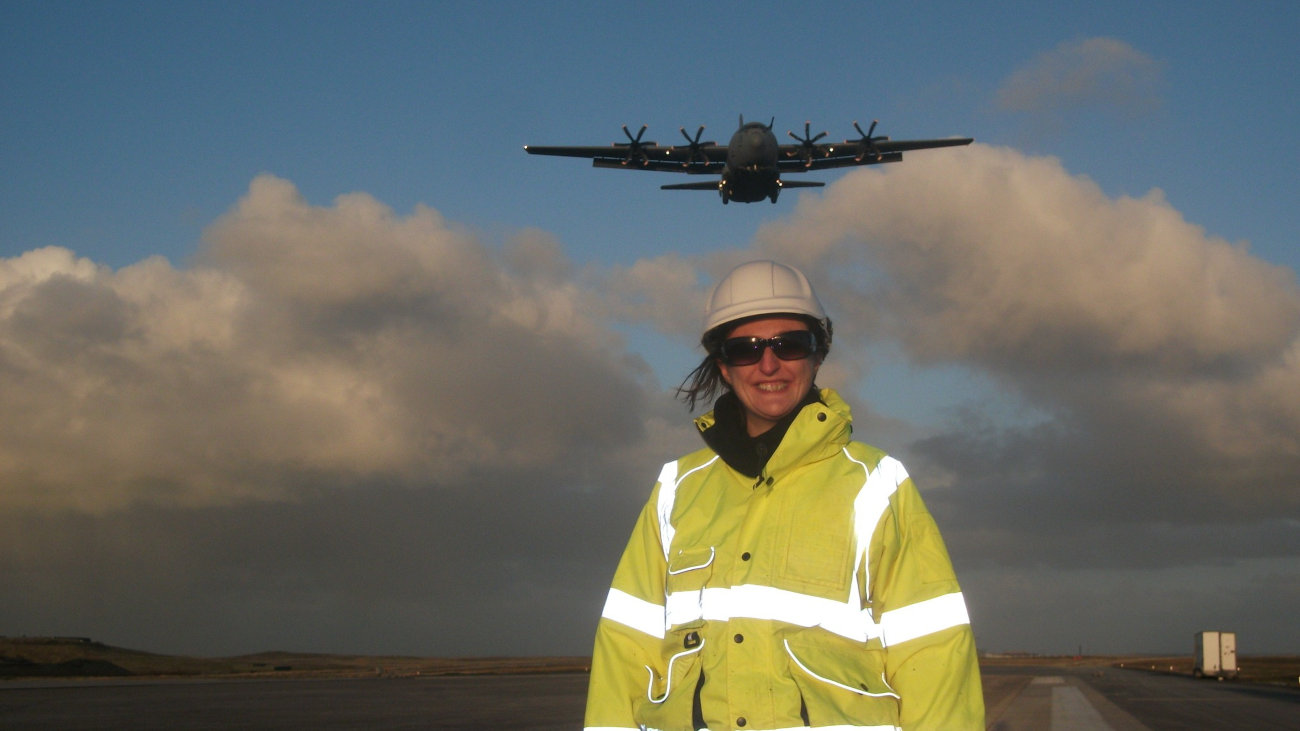
The Falkland Islands Runway Resurfacing project: The opportunity that changed Vicki’s career and life
What do you do at Mott MacDonald and what are you currently working on?
I’ve been with Mott MacDonald for about 20 years, and I’ve had a bit of a wandering career within that time. I’ve worked in a mix of roles, but currently I’m the design manager for the Antarctic Infrastructure Renewal (AIR) Alliance. I think I literally have the coolest job at Mott MacDonald.
It’s an extraordinary project that’s delivering new infrastructure for the Australian Antarctic Division, including new buildings at Davis Station. Working in an alliance means we're working as one integrated team across multiple organisations, disciplines and time zones.
People always describe Antarctica as the coldest, windiest, driest place on Earth – which is true in parts – but Davis can be blue skies and sunshine. One of the interesting things about Davis is that it’s largely ice-free. In summer, the snow melts and you’re left with rock – and you’re more at risk of sunburn than frostbite. The real issue there is wind-blown dust that has a sandblasting effect. Designing buildings for that environment takes an exceptional level of technical skill, and the engineering that’s happening on this project really is something special.
What inspired you to join Mott MacDonald, and how has your career journey evolved since then?
I started as a geotechnical engineer and got chartered in the UK. To do that, I needed project management experience, so I was seconded into a defence-focused project management team in our Sheffield office. I loved it. The work was fascinating, the team was great, and I decided not to go back into geotechnics. I was offered the opportunity to lead the Falkland Islands Runway Resurfacing project. Resurfacing a live military airfield was technically and operationally complex, but the bonus was that I got to live in the Falklands for a year overseeing the works.
I then applied for a role with the British Antarctic Survey – almost on a whim. I never imagined civil engineers would be needed that far south, but they were. It meant leaving Mott MacDonald, which after 15 years, was really hard, but leadership was incredibly supportive and assured me that there would always be a job for me here – that's one of the reasons I’ll always feel loyal to the company.
I went off for a few years, moved to New Zealand and then got a call from the company in 2021, asking if I’d like to come back for the Antarctic project. That’s how I ended up back here.
Tell us about a recent project and how you delivered excellence
I’m not sure I’d say I’m personally delivering excellence – but the engineers on the Antarctica project absolutely are. The level of technical thinking required to design buildings for the far south is extraordinary. You’re dealing with extreme environments, logistics constraints, sustainability targets and long design lives, all at once.
From my perspective, delivering excellence is about creating the conditions for that great engineering to happen. That means building trust across the alliance, keeping everyone focused on the shared goal and making sure challenges are tackled collaboratively.
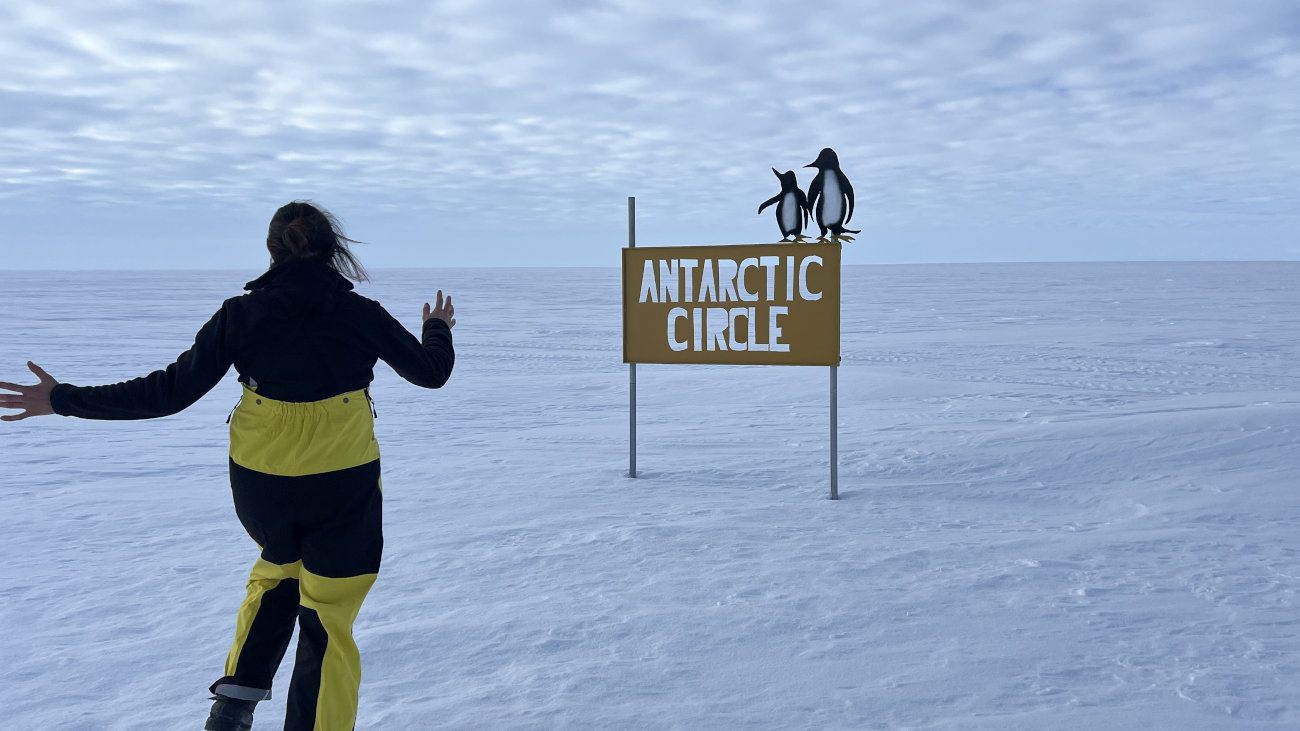
Vicki has the coolest job at Mott MacDonald – literally!
Describe what the Mott Mac Life means to you in three words
Relationships. Opportunity. Trust.
Can you share a moment when you felt particularly trusted and empowered in your role?
One that really stands out is being given the project manager role on the Falkland Islands Runway Resurfacing project. I was only a few years into my career, and it was a high-risk, high-profile project for the UK military and the company. My manager at the time advocated strongly with senior leadership to give me the opportunity to lead it, and I’ll always be grateful for that trust. Being given that level of responsibility early on had a huge impact on my confidence and the direction of my career. In many ways, that project was the beginning of my Antarctic journey – and even now, after everything I’ve worked on since, it’s still one of my favourites.
I also had the support of an incredible team (a big shout-out to Barry Webb and Stelios Vassiliou!). We worked incredibly hard, and I genuinely believe we delivered an excellent outcome.
What does a typical day look like for you at Mott MacDonald, and how do you find opportunities to excel in your role?
Design management is essentially the art of bringing together diverse, brilliant engineers, architects and designers, helping them work as one team, and making sure we’re all pulling in the same direction. If you sat in one of the AIR Alliance meetings, I’d like to think you wouldn’t know who worked for which company. It feels like one team, and I’m really proud of that. Ultimately, it’s about building a collaborative culture and enabling engineers to do their best work.
How do you collaborate with colleagues from different specialisms to achieve common goals?
I’m a big believer in talking – and in person wherever possible. My personal hierarchy is: talk to someone face-to-face first, pick up the phone second and only email as a last resort. Email strips out context and humanity, and it’s far too easy for messages to be misunderstood or ignored. If you build personal connections, people will go out of their way to help you. If you don’t, you’re just another name in an inbox. A deliberately awkward but effective collaboration tactic is to stand next to someone. People can ignore emails indefinitely, but they’ll feel compelled to acknowledge the person hovering awkwardly around their desk!
Talking to people is also how you find opportunity. A lot of what I’ve done in my career has come from talking to someone who knew someone else who’d done something similar before. Collaboration, for me, always comes back to human connection – and maybe a bit of polite persistence as well.
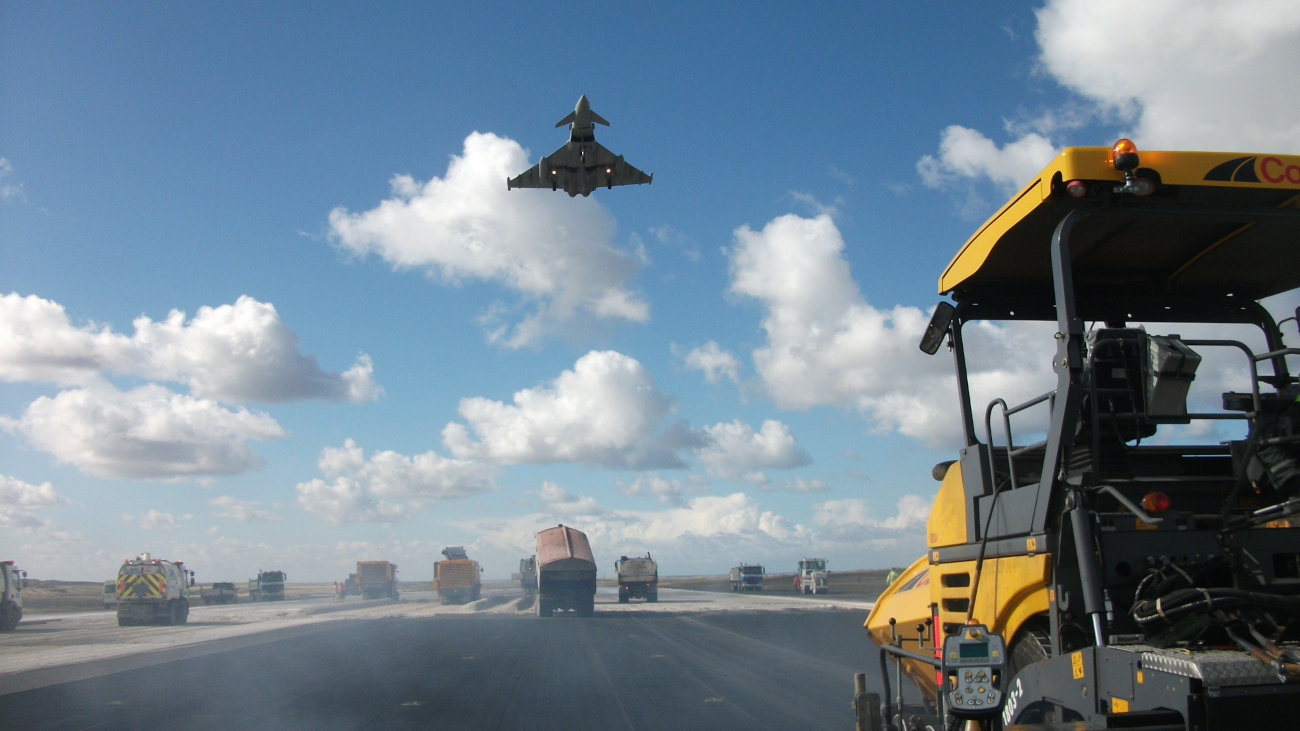
Resurfacing a live military airfield
Describe a moment when you learned something valuable from a colleague
I’ve learned the vast majority of what I know by sitting next to great leaders, listening to how they think and watching how they handle difficult situations. That kind of learning doesn’t happen in isolation. It’s not in a manual. The culture of being able to move between roles, markets and even countries has also been invaluable.
At the end of the day, the people make the job. You spend so much of your life at work. If you don’t enjoy it, it affects everything. Enjoyment comes from people – laughing, sharing cake, having conversations.
What advice would you give to someone looking to start their career at Mott MacDonald?
Don’t assume the role you start in is the role you’ll finish in. One of the joys of working at Mott MacDonald is the breadth of what we do. If you get bored, don’t assume you need to leave – look around, talk to people and see what else is possible. The business is incredibly supportive of people moving across disciplines and geographies.
What resources or support at Mott MacDonald have been most beneficial to your growth?
I’ve been incredibly fortunate throughout my career to have some truly excellent managers. I’ve always known that if I make a mistake, or if something didn’t go to plan, I’d be supported, not blamed. That sense of psychological safety is hugely empowering, especially if you’re not the most naturally confident person. Good management makes an enormous difference.


Develop your own career with us
We are looking for enthusiastic, inspiring, and committed people to join our growing team.
