




Connecting with the new generation of rail engineers
Clients face challenges in digital transformation due to limited resources, financing difficulties, and resistance to change
Finding skilled engineers to support digital transformation is critical, but related skills are scarce, and attracting new talent is difficult
The Institution of Railway Signal Engineers plays a critical role in driving change and preparing the sector for the future
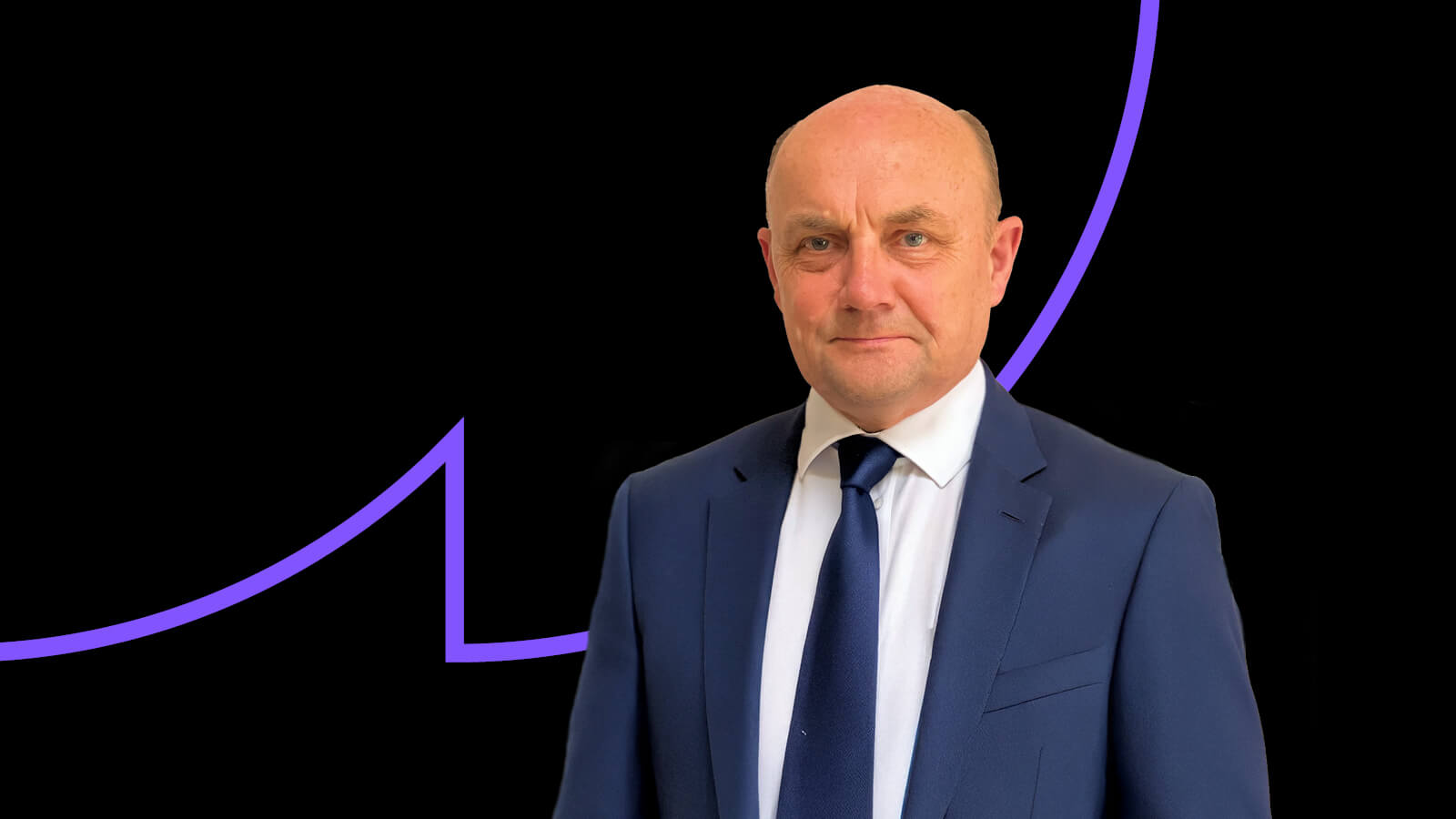
Mott MacDonald European rail director Bogdan Godziejewski became the 101st president of the Institution of Railway Signal Engineers in April. Here he discusses the challenges facing the industry and his plans to ensure his presidency leaves a legacy for the sector.
Over the course of my 40-year career in the rail signalling and train control industry I have seen sweeping change in the technology we use but the rate of change is increasing. That will bring new challenges for our sector – and could be critical in attracting new talent too.
Digital transformation is challenging for most clients as they have limited resources, face difficulties in getting digital transformation projects financed and deal with many insiders resistant to change. There are also uncertainties regarding whether new technology will bring advantages. Deployment of projects in the rail signalling sector can take five to 10 years, so with shorter lifecycles, many clients question the added value of rapid change.
Although as a discipline rail signalling is often behind in adopting new technology, suppliers are now offering new approaches to signalling and train control with cloud-based applications, virtual servers, 5G communications and deeply centralised methods of working. These technological advancements will significantly change the ways of operation and maintenance on a scale not seen before.
This scale of digital transformation will call for profound organisational change to keep up with the pace and ensure clients do benefit from these new developments.
Finding skilled engineers to support this transformation will be critical but related skills are scarce. Many transit authorities and railways face the departure of staff who have been dealing with legacy systems for 40 or 50 years and sometimes longer. Attracting new, younger people with skills to support digital transformation is rather difficult. Most networks still rely on mechanical and relay solutions, whose life cycles can still be prolonged. This is not encouraging many to enter into what is seen as a traditional sector.
The Institution of Railway Signal Engineers has a critical role to play in driving change and our members must prepare themselves. As an institution, we need to offer the right knowledge base, include more system engineering thinking and have an understanding of the competencies needed for those who will take over our roles and responsibilities in the future.
The need for this change is why I have chosen “Engaging generation unlimited” as the theme for my year as president of the institution. I believe it is crucial to listen to the younger generation and their perception of our discipline: where we stand and where we must go. It is in their best interest to articulate a vision for signalling and train control 20 to 30 years from now. Over the next year, I want to encourage the connectivity with younger members to develop new ideas and boost their skills.
My objective is to improve the engagement of our younger members, as well as the role they should play in the sector and the institution in upcoming years. I have already invited several younger members to prepare papers for my presidential lecture series and the next will be delivered by Mott MacDonald signalling engineer John Smith at the National Railway Museum in York on 26 August this year. Younger colleagues from Mott MacDonald who are based in the Netherlands and Canada have also been selected to speak at the flagship ISRE ASPECT 2025 conference in Yokohama, Japan in December.
Let’s listen to them, understand how they see their role within the signalling and train control domain and how they envision the future, then support them to make it happen.


Subscribe for exclusive updates
Receive our expert insights on issues that transform business, increase sustainability and improve lives.