




Grid balancing using machine learning
Two new digital solutions, Moata Demand Forecaster and Moata Solar Yield Forecaster, are harnessing the power of artificial intelligence (AI) to help electricity grid operators tackle the increasingly tough challenge of integrating low and zero carbon generating capacity and protecting supply.
Around the world, the role of transmission network operators is becoming increasingly tough. As wind and solar photovoltaic (PV) generation provide more energy, and as new consumer technologies disrupt consumption patterns, supply and demand fluctuations are getting more extreme and difficult to anticipate. And the cost of ancillary services – mechanisms that help grid operators to maintain reliability – is rising.
Network operators employ forecasting tools to predict and provide electricity, typically ramping up gas or diesel generating capacity to meet peaks in demand or cover shortfalls from renewable sources. Demand-side forecasting is commonplace. But current methods and modelling tools don’t enable operators to assess the impacts on demand of electric vehicles, domestic-scale ‘micro-generation’ (solar panels on the roof) and smart building controls that enable occupants and facilities managers to cut energy consumption. Supply-side forecasting is in its infancy, mostly too basic and slow to forecast the rapid variations in yield from solar PV installations and wind turbine arrays.
Two new digital solutions have been launched to change that – Moata Demand Forecaster and Moata Solar Yield Forecaster. They harness the growing speed and falling cost of data processing, artificial intelligence and machine learning, and the availability of increasingly large and relevant datasets. Both solutions have the same goals: to help network operators balance grid frequency and achieve operational cost savings, and enable power producers to hedge against or gain advantage from fluctuations.
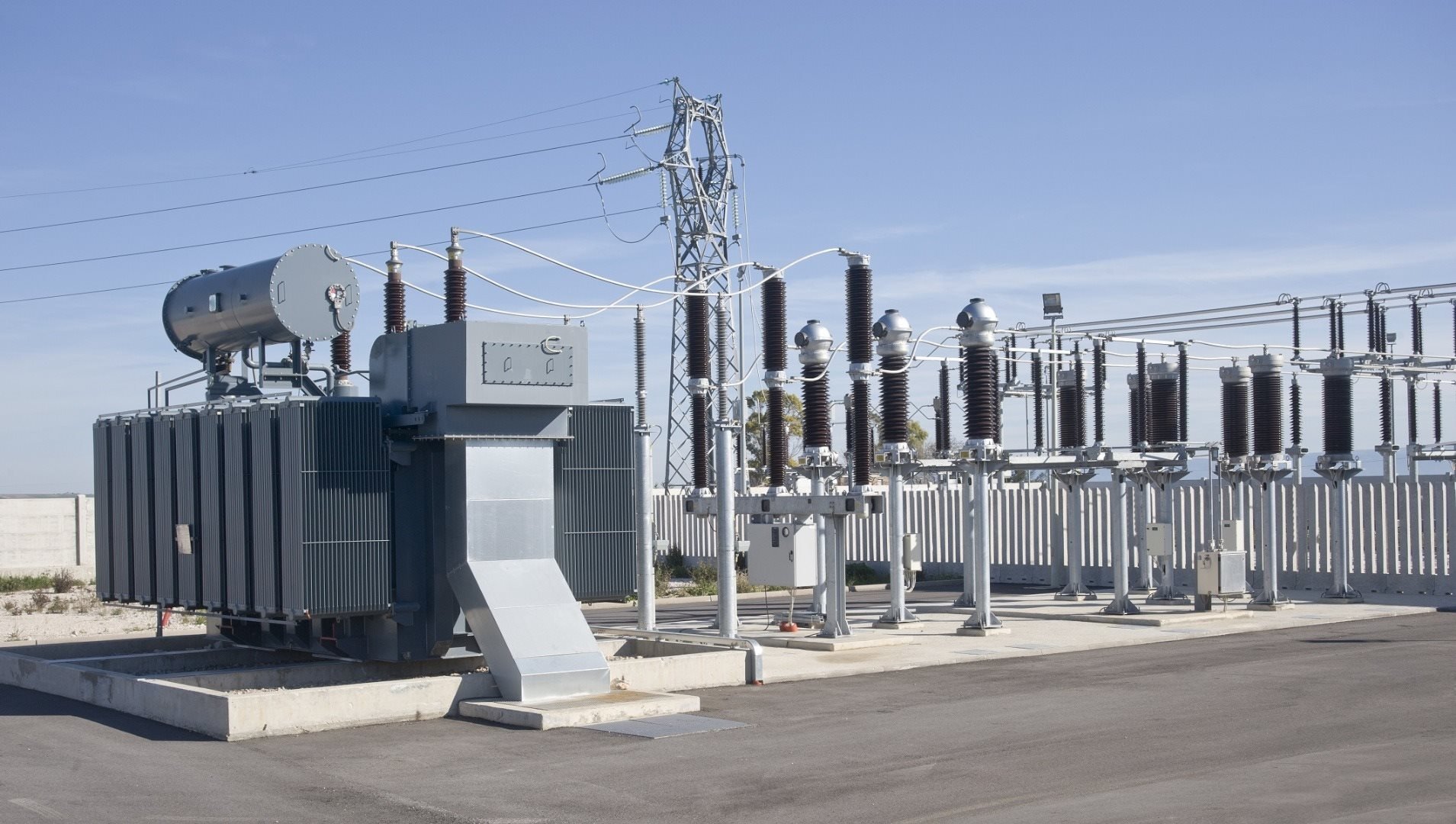
Keeping it steady
AC (alternating current) electricity oscillates – it has a frequency. Electricity grids are designed to operate at 50Hz in most countries except America, where the frequency is 60Hz. Supply and demand have to be finely balanced to keep the frequency constant. If electricity generation outweighs demand, the frequency increases; if there’s more demand than electricity being produced, the frequency falls. Grids are designed to protect against major frequency fluctuations by cutting off excess supply or demand. It was a fall in frequency that triggered the 15-hour nationwide blackout in Pakistan on 10 January.
Variability has always been a demand-side challenge – famously, UK demand surged by 1.2GW during half-time in the 1990 Football World Cup match between England and Germany as fans switched on kettles for a cuppa or reached into fridges for a beer. But there’s a supply side challenge now, too. Solar farms of 1GW or more are increasingly common. Passing cloud cover or dust-filled winds can reduce irradiance by up to 80%; which in turn can reduce the power supply by 800 MW – equivalent to the needs of half a million homes.
Operators now have to estimate both the likelihoods of a particular amount of energy being needed and that a particular amount of energy will be produced, at a particular time. Their forecasts inform the operation of generating plants, ramping up generating capacity ready to dispatch electricity to meet potential peaks in demand or troughs in supply.
Typically, AI improves forecasting accuracy by 25%, which feeds through to a reduction in ancillary services cost. Savings come principally from fuel efficiency and reduced need for reserve generating capacity, and reduced grid disruption and restoration costs.
Savings within reach
The two forecasting solutions we have developed, Moata Demand Forecaster and Moata Solar Yield Forecaster, enable such a forecasting accuracy improvement. Both solutions are hosted on Mott MacDonald’s digital platform, Moata, which provides the muscle to draw in, cleanse, order and interrogate data. The solutions analyse data and spot patterns and trends, causes and effects. They are fully customisable to meet the needs and digital ‘maturity’ of each user, whether they are network operators or power producers.
Recent operating and meteorological data is needed to prime the solutions. In operation, they take in new data as fast as the operator can supply it – at intervals from a couple of seconds to 15 minutes – and refresh forecast information every five to 60 minutes. Information can be provided in a variety of formats to meet different needs, with dashboard presentation making it easy for staff to understand and act.
Weather strongly influences both supply and demand. Moata Demand Forecaster takes account of temperature, humidity and base load – aggregated demand for electricity from domestic and commercial users, industry, transport, etc. Illustrating the power of machine learning, Demand Forecaster rapidly recognised the impacts on demand of COVID-19 and associated changes in working and travel patterns.
Moata Solar Yield Forecaster takes account of real time local changes in irradiance, seasonal variation in the angle of sunlight and shading, temperature-related operating efficiency of solar PV panels and transmission grid infrastructure, the efficiency of DC to AC conversion, and the interaction and balance of solar with wind energy output.
The beauty of artificial intelligence and machine learning is that they enable continuous improvement. The initial large gain in forecasting accuracy is followed by steady refinement, reducing the margin of error and delivering further operational savings. Even without disruptive changes to the grid, better forecasting has long been desired. With change happening at an ever more rapid pace, it is now essential – and in reach.
Read more about Moata Demand Forecaster and Moata Solar Yield Forecaster.

Subscribe for exclusive updates
Receive our expert insights on issues that transform business, increase sustainability and improve lives.