




Making net zero business as usual is critical
Port of Dover is targeting net zero by 2030 having already achieved a 96% carbon reduction since 2007.
The long-term focus on carbon reduction and sustainability has cut the cost of water by 44% and gas bills by 52%.
Small changes have had big impacts, such as switching to LED lighting, automating controls and lowering chiller setpoints, which saved an average of 8MWh per week in the cargo terminal.
How Port of Dover is leading the way on the drive to net zero was presented at Carbon Crunch 2025 in London and the session explored why decarbonisation strategies must be translated into tangible activities.
Port of Dover was an early adopter of sustainable practices and is on target to become a net zero operation by 2030. According to Port of Dover head of capital delivery Craig Payten, the work has also delivered some significant cost savings and demonstrating this benefit is key to presenting the business case for net zero.
Speaking about the impact of recent changes, Craig said: “The work has delivered tangible savings, such as a reduction in water bills which are down from £900,000 in 2023 to a predicted £500,000 cost in 2025 despite an 18% rise in water costs. Gas consumption by kilowatt hour is down by 45%, which has delivered 52% cost savings. We have also seen a reduction in our kilowatt hour consumption of electricity of 8% from 2024, which has helped to partially offset the 15% rise in costs.”
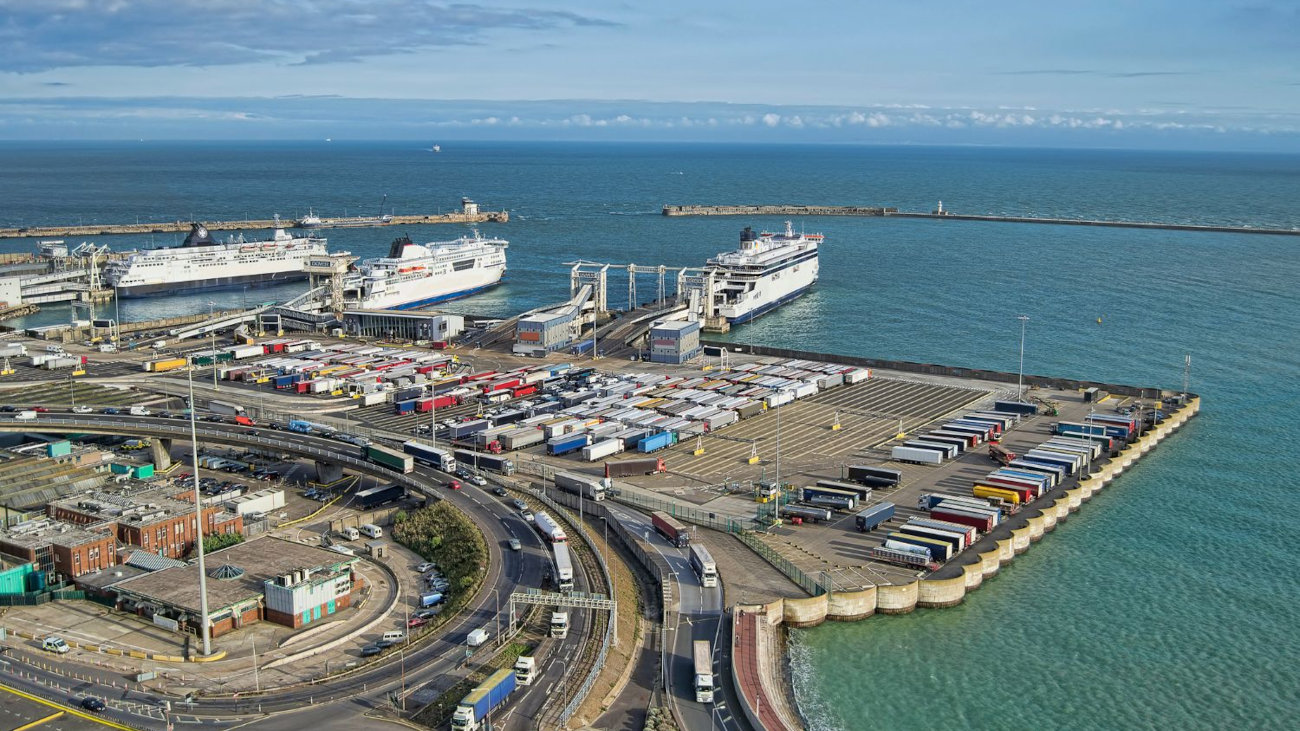
These savings have the potential to significantly impact on the bottom line but are the result of a long-term focus initially on sustainability and then on carbon.
“The Port of Dover 2050 masterplan, which we have overlaid with our capital delivery plan, has given us a clear vision and roadmap to achieve our ambitions,” explained Craig. “Central to that masterplan is climate change, sustainability and net zero.”
Making small changes for big impact
Focus on Port of Dover’s impact on the environment started over 30 years ago with its environmental monitoring programme, which was launched in 1992 to cover marine and terrestrial biodiversity, as well water and air quality. The Port of Dover was the first port in Europe to be certified for its Environmental Management System (EMS) through the Ports Environmental Review System in 2003 and its EMS achieved ISO 14001 accreditation in 2007.
The port’s first carbon footprint assessment was undertaken in 2007 and came with a commitment to reduce this by 5% each year. By 2021 the port’s operations had achieved an 85% reduction and it has just announced that its carbon footprint had been by 96% by 2024 in scopes 1 and 2 since 2007.
Craig outlined some of the initiatives used to reach this target, which included using only renewable energy from 2016 onwards, installing 1.55MW of solar power on port buildings, moving to using HVO for all landside plant and vessels from 2022. Another contributor to the progress was the move to a new state of the art refrigerated cargo facility in 2020, which replaced a facility that had 30-year-old refrigeration systems installed.
Craig added: “A number of smaller projects have also contributed to the target too, including changing all lighting over to LEDs, using automation on lights and heating and ventilation controls. Some of the changes were simple but had a big impact, such as lowering the chiller setpoints by 2°C to 3°C on our cargo terminal, which still achieved the same room temperatures but saved an average of 8MWh per week.”
Actions needed to hit net zero by 2030
In 2022, Port of Dover committed to reaching net zero by 2030 across scopes 1, 2 and 3. While the port has made good progress over the last 30 years, reaching net zero in the next five years calls for more than following the same processes that have delivered results so far.
Craig said that further reductions in scopes 1 and 2 will be delivered by sourcing alternative fuels, using renewable energy sources wherever possible, electrifying the port’s landside fleet, encouraging active travel and offsetting carbon emissions where necessary. However, driving reduction across all three scopes will call for a focus on procurement and development projects.
Energy investment
One of the main development projects within the port is to electrify operations – both landside and to support the vessels using the port.
Craig said: “Our energy strategy focuses on four key areas – ensuring resilience of the internal network within the port, shorter term capacity increase over the next two to five years to support the cruise market, longer term capacity over the next five to 10 years to support ferry electrification and renewable energy.”
One of the key challenges is the age of utility networks at the port. Craig pointed to the fact that the port has been in existence since 1606 and said that the programme to upgrade these assets also presented the opportunity to focus on resilience too. Significant investment is planned and needs to be carefully matched to demand, which is expected to rise significantly.
Craig estimated that 176MVA of increased demand will come from further electrification of ferry fleets between now and 2033.
According to Craig, the complexity and scale of the longer-term power demands means that there are benefits in developing a strategic partnership approach.
Sharing lessons
While the scale of the electrification needed to reach net zero and complexity of delivering that in a facility that operates 24 hours a day, seven days a week is relatively unique to the ports sector, Craig believed there are still lessons that can be drawn from Port of Dover’s three-decade long journey. He also advocated for net zero to be built into business as usual capital programmes and for decarbonisation strategy to be translated into tangible activities that people can relate. Craig also urged for this approach to also be shared with the supply chain to maximise the potential for transformational change. “This is key to people understanding their role in the strategy so they can focus on delivering it and making a strategy become reality,” he concluded.


Subscribe for exclusive updates
Receive our expert insights on issues that transform business, increase sustainability and improve lives.