




Responsible AI is key to infrastructure delivery
Artificial Intelligence (AI), and a number of other emerging technologies, are being viewed as critical tools that can augment our capabilities in the delivery of infrastructure projects.
Giving clients assurance about what we do and how we do it, is fundamental to building that relationship as a trusted partner, which is why we take a responsible approach to AI.
Key to this is robust governance, learning about safe and secure application of these tools, and developing partnerships to drive transformational change.
Digitalisation has ushered in a new era of innovation in construction. Applied in the right way the potential productivity gains for these technologies are game-changing for our industry.
But what makes the current demand for these new solutions so great is the scale of the social, economic and environmental challenges the world faces, and the strain that this is placing on our existing systems.
Often looked to as an enabler for change, the delivery of large-scale capital projects is being hampered by these circumstances. From the impacts of climate change to the fallout from geopolitical tensions, economic uncertainties, population shifts and demographic changes, all of these factors disrupt the delivery process.
On top of this, government spending is under huge pressure in many countries around the world. That means large infrastructure organisations are being asked to do more with less on their capital projects – as we require smarter, more efficient, and more sustainable assets.
Looking to technology
So how does our industry overcome this challenge, going faster and being more effective in delivery while navigating this complex landscape?
Artificial Intelligence (AI), and a number of other emerging technologies, are being viewed as critical tools that can augment our capabilities to do just this.
Over the last decade predictive AI has already established its credentials for generating value adding insights from large data sets. Our smart flood warning system in New Zealand predicts surface water flooding with remarkable speed, allowing for proactive measures that ensure public safety.
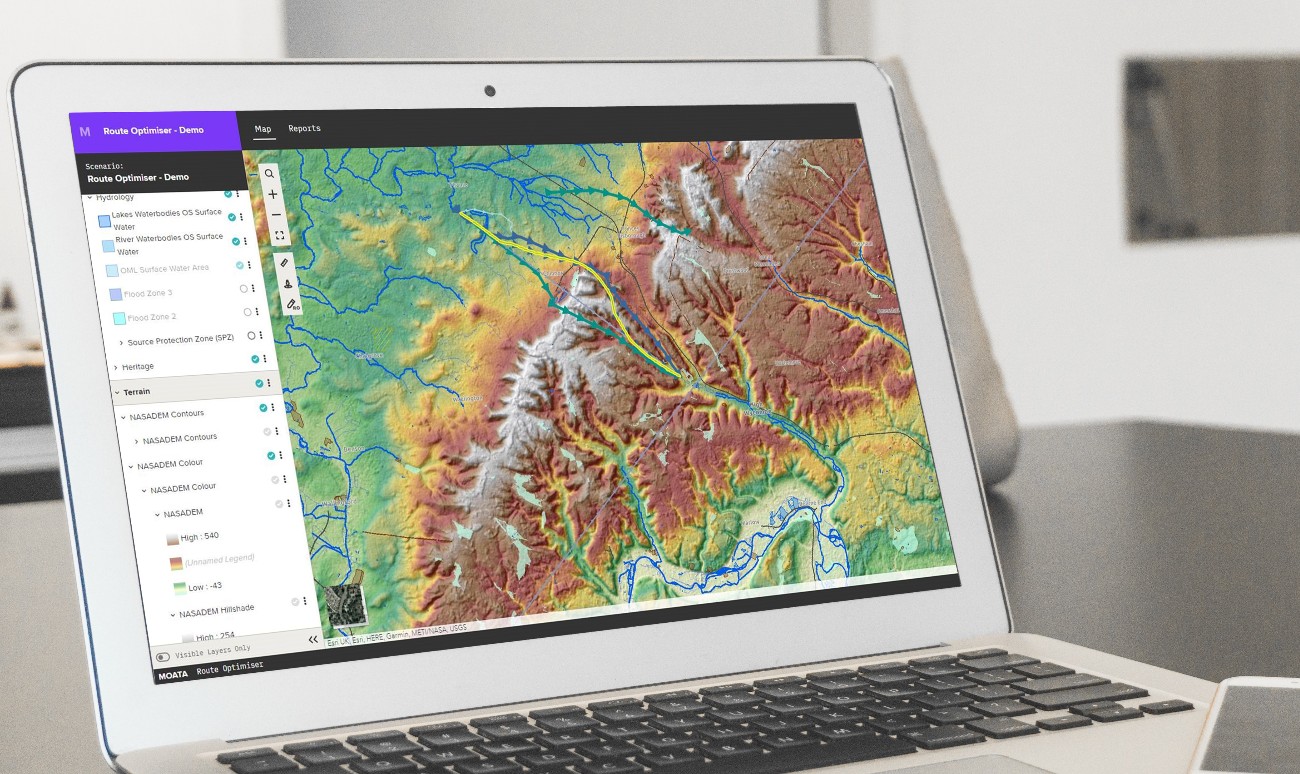
More recently generative AI has taken centre stage, with its potential for liberating time by moving mundane tasks from humans to machines, allow people to spend their time on what people do best – complexity, empathy and collaboration. In the UK, our Route Optimiser is revolutionising the planning and design of linear infrastructure, using AI to enhance route efficiency, reduce carbon footprint and maximise social value.
The past, present and future of our business is steeped in the successful adoption and deployment of the latest thinking and technologies to solve complex problems. We know that AI tools can add significant value but there are risks in their use. Understanding that is key to delivering AI responsibly and achieving the desired outcome – for our people, our clients, end-users of infrastructure, and our industry.
Generating responsible AI
We also know that giving clients assurance about what we do and how we do it, is fundamental to building that relationship as a trusted partner. That’s why our approach to responsible AI is built on three pillars:
Governance – we have established AI governance across our company. This gives our people the freedom to really put these tools to the test in a safe and secure environment, ensuring that internal teams or clients experience the benefits rather than bumps in the road.
Learning – AI is a dynamic field and we need our people to understand what it is, what it can do and what the risks are. That applies across our organisation from the early career professionals that now have expertise at their fingertips to our leaders that need to guide others in the safe and secure application of these tools for our clients.
Partnerships – collaboration is what delivers transformational change, and as our clients trust us, we also need to trust our technology partners. A transactional relationship on the latest tools is to nobody’s gain which is why we are working with partners that understand our challenges and our values, to help us look further into the future on what’s next.
We are a business that strives for excellence, we always have done, and we always will. It is our lifeblood. That goes hand in hand with technological innovation, but excellence isn’t just about making an investment and switching something on.
It means making it right for us and for our clients, so that it gets deployed in the right way, and at the right time, to deliver the best outcome. This is how we have always done it, and this is how we will continue to do it in this era of digital innovation – responsible AI for the delivery of the world’s most complex infrastructure projects.
About the author

Subscribe for exclusive updates
Receive our expert insights on issues that transform business, increase sustainability and improve lives.