




The Great Power Shift: four catalysts driving Australia’s clean energy transition
Deep storage investment, transitional use of natural gas, consumer-driven energy flexibility and building social licence are essential to accelerate Australia’s clean energy transition.
Achieving net-zero by 2050 demands strategic investment, robust policy frameworks and market reform to ensure reliability, affordability and resilience.
Combining technology, community engagement and innovative market mechanisms will unlock investment, empower consumers and create long-term economic opportunities alongside decarbonisation.
Paul Currie, Mott MacDonald’s energy leader for Asia Pacific, New Zealand and Australia, outlines four key shifts essential to achieving Australia’s clean energy goals – moving beyond ambition to action through strategic investment, market reform and community engagement.
Australia is currently committed to a renewable energy future, aiming for 82% renewables by 2030 and net-zero emissions by 2050. But bold targets alone aren’t enough. Achieving them requires a holistic approach that not only accelerates the transition but also ensures affordability for consumers, while safeguarding energy security and system resilience. This approach should be underpinned by deep market reform, consistent policy frameworks and the agility to respond to evolving market and technology conditions, alongside investment certainty and strong community engagement.
Economy-wide decarbonisation will dramatically reshape Australia’s energy system. Today, electricity makes up only about 22% of total energy use, but by 2050 it will need to supply the vast majority – potentially 60% or more – as transport, industry and heating shift from fossil fuels to electrified solutions. This surge in demand will require a massive scale-up of renewable generation, storage and transmission infrastructure to keen the system reliable and affordable.
To accelerate progress, we must close four critical gaps – what we call the “power shifts” of the energy transition.
Shift 1: invest in deep storage
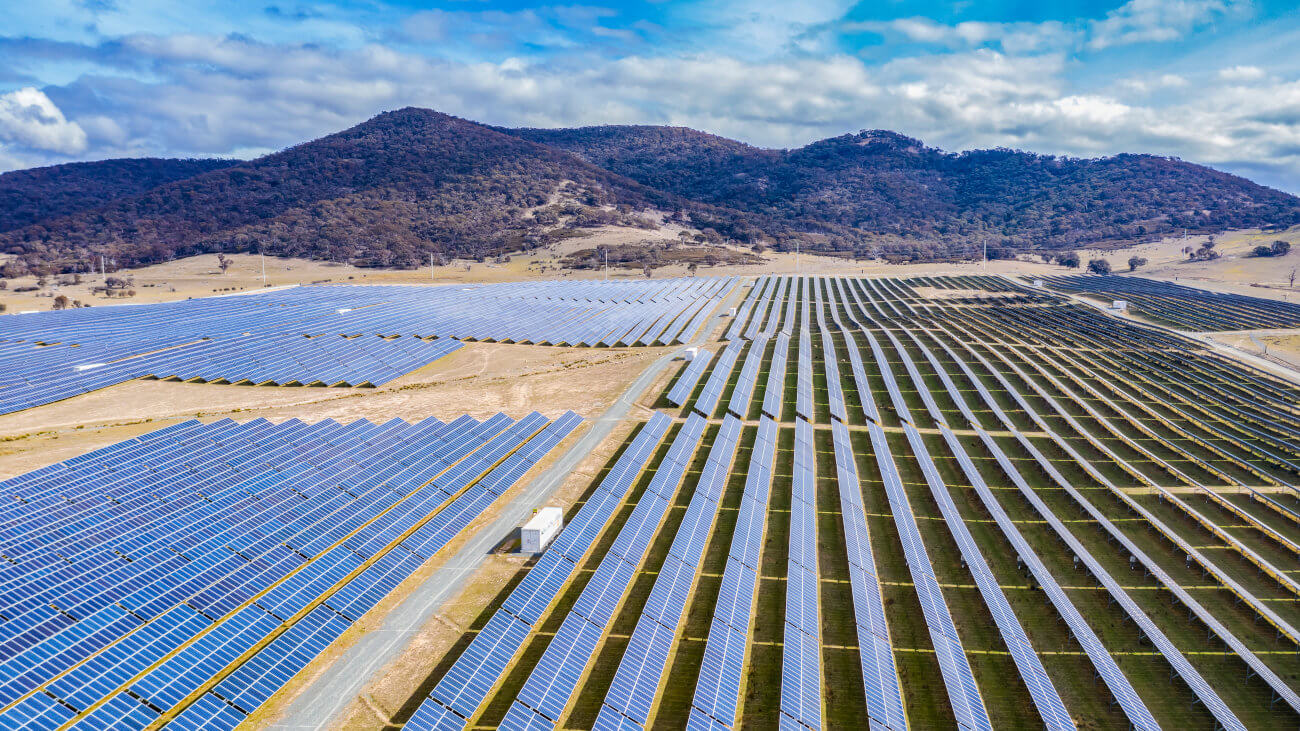
Australia has one of the highest installations of residential rooftop solar in the world, with renewables now supplying nearly 40% of electricity, driven by favourable payback periods and government incentives.
However, investment in storage capacity has not kept pace with the growth in renewables, creating a fundamental imbalance and a reliability gap during low-generation periods. While small-scale battery programmes like the Cheaper Home Batteries initiative help, commercial-scale deep storage is essential to shift surplus solar to periods of peak demand. Utility-scale battery energy storage systems (BESS) also play a critical role in bridging this gap, but they bring their own challenges, such as supply chain constraints, sustainability concerns and the need for robust recycling solutions.
Pumped hydro is a proven solution, but high implementation costs, long development timelines, and revenue uncertainty deter investment.
The UK’s ‘cap and floor’ model offers a blueprint for incentivising investment in pumped hydro, guaranteeing minimum returns (the floor) while capping excess profits (the cap) to reduce investor risk and remove financial uncertainty.
Australia needs similar incentives to unlock deep storage and replace the reliability and inertia traditionally provided by coal. Until then, we need to lean into natural gas as a cleaner, reliable transition fuel to provide grid strength.
Shift 2: use natural gas for grid stability
Natural gas is an established, reliable, and scalable backup solution to ensure grid stability, with shorter timelines and significantly less private investment required than nuclear, and greater commercial certainty than hydrogen for export at present.
Again, the UK offers a valuable lesson. Its Clean Power 2030 Action Plan recognises the need to reduce unabated gas generation but also acknowledges its importance for maintaining security of supply during renewable shortfalls.
Australia can adopt a similar model: using gas sparingly, only when solar and wind fall short, and as a complement to battery storage. Even at just 5% annual capacity, gas can provide the grid strength and inertia needed to support renewables – buying time to scale up deep storage.
The next step would be to empower consumers to shift their energy use to align with solar generation, and to shift their mindsets to understand that “off-peak hours" are no longer overnight; they’re in the middle of the day when Australia’s four million solar rooftop installations are producing abundant energy.
Shift 3: unlocking energy flexibility through consumer empowerment
A decarbonised energy system needs smart infrastructure that automatically responds to renewable energy fluctuations on consumers’ behalf and engaged consumers who move consumption to the daytime to soak up excess rooftop solar energy.
Energy flexibility (i.e., load shifting) is, in theory, the cheapest and easiest way to move energy around. Retailers can incentivise daytime consumption with ultra-low tariffs or free electric vehicle charging during peak solar hours. Behind-the-meter (BTM) assets like home batteries, vehicle-to-grid technology and smart appliances can support this shift, but they need policy support and real-time market signals. Importantly, commercial and industrial consumers – who account for more than half of electricity demand – must also be engaged through tailored incentives and flexibility services to unlock the full potential of load shifting.
Digitalisation and data will be critical enablers of this flexibility. Advanced metering, real-time data sharing and digital platforms can provide the visibility and control needed for dynamic pricing, automated demand response and seamless integration of distributed energy resources.
Shift 4: building social licence and market confidence
Large-scale renewable projects often face resistance due to local impacts like noise, visual impact, or changes to land use. We need a fundamental shift in approach, to ensure communities are genuine partners in the transition, not just passive recipients.
To gain social licence – i.e., ongoing acceptance and approval of renewable energy projects by the communities they impact – developers must engage early, communicate clearly, and share tangible local benefits, which could include jobs, direct economic investment and lower energy costs. In the UK, some innovative developers are going further by offering communities discounted renewable power or even ownership stakes in local projects, creating a sense of shared value. Similarly, for new transmission lines, there is an opportunity to provide both communities and affected individuals with meaningful financial benefits, helping to build trust and acceptance.
Equally important is incentivising private investment in BTM solutions and flexibility services. History shows that clear targets, robust policy, and price signals drive innovation. The renewable energy target has been the most successful energy policy in Australia because it put an obligation on retailers to buy a proportion of renewable energy to sell to consumers, spurring rapid growth in frequency control and ancillary services (FCAS) innovation.
Similar mechanisms can unlock a commercial capacity market in Australia and move away from the ineffective and no longer fit-for-purpose Capacity Investment Scheme (CIS) and quarterly auction process.
Once again, the UK is a good case study. It has established a robust capacity market that allows for demand-side management and innovative pricing mechanisms, using digital platforms like Piclo to enable electricity networks to procure flexibility services from providers.
Shifting to a priced capacity market similar to the UK’s will encourage investment in BTM infrastructure, deep storage, and grid integration technologies at scale.
Such a market could be driven by a guaranteed revenue stream for the private sector, supported by:
- Transitional government grants to address market failures and help emerging technologies scale,
- A robust regulatory framework and effective market design to ensure transparency and efficiency,
- Tariff reform, incentivising daytime use,
- Low-cost finance via the Clean Energy Finance Corporation (CEFC), and
- Innovation funding from the Australian Renewable Energy Agency (ARENA).
Once investors see returns, momentum will build, resulting in enhanced network resilience, deferred grid reinforcement, and improved overall network reliability.
The path forward
Australia’s clean energy goals are achievable—but only if we embrace a holistic strategy that addresses the inherent complexities of the energy transition.
The four power shifts—deep storage, transitional gas, consumer flexibility, and social licence—must work in concert.
This transition isn’t just about replacing fossil fuels. It’s about building a smart, flexible and inclusive energy system that delivers reliability, affordability and sustainability. It also creates a significant industrial opportunity to commercialise and monetise innovation, while establishing new manufacturing capabilities where economically viable. These developments can strengthen Australia’s position in the global clean energy supply chain, create jobs and drive long-term economic growth alongside decarbonisation.
About the author


Subscribe for exclusive updates
Receive our expert insights on issues that transform business, increase sustainability and improve lives.