




Mott MacDonald helps develop environmental guidance for UK space industry
The Institute of Sustainability and Environmental Professionals (ISEP) has published The UK Spaceports and Launch Operators: Industry Good Practice Guidance for the Assessment of Environmental Effect, developed by a range of space and environmental industry experts including Mott MacDonald.
The ISEP Spaceport and Launch Environmental Working Group, led by Mott MacDonald and Aurora Environmental Consulting, and including a diverse range of topic specialists, worked closely with The Civil Aviation Authority (CAA) to produce the comprehensive guidance.
As the UK’s space industry continues to grow, new environmental guidance has been needed to support spaceport and launch operators in choosing the UK for launches.
The industry-led initiative clarifies licensing requirements and sets out recommended approaches to assessing potential significant environmental effects of space activities.
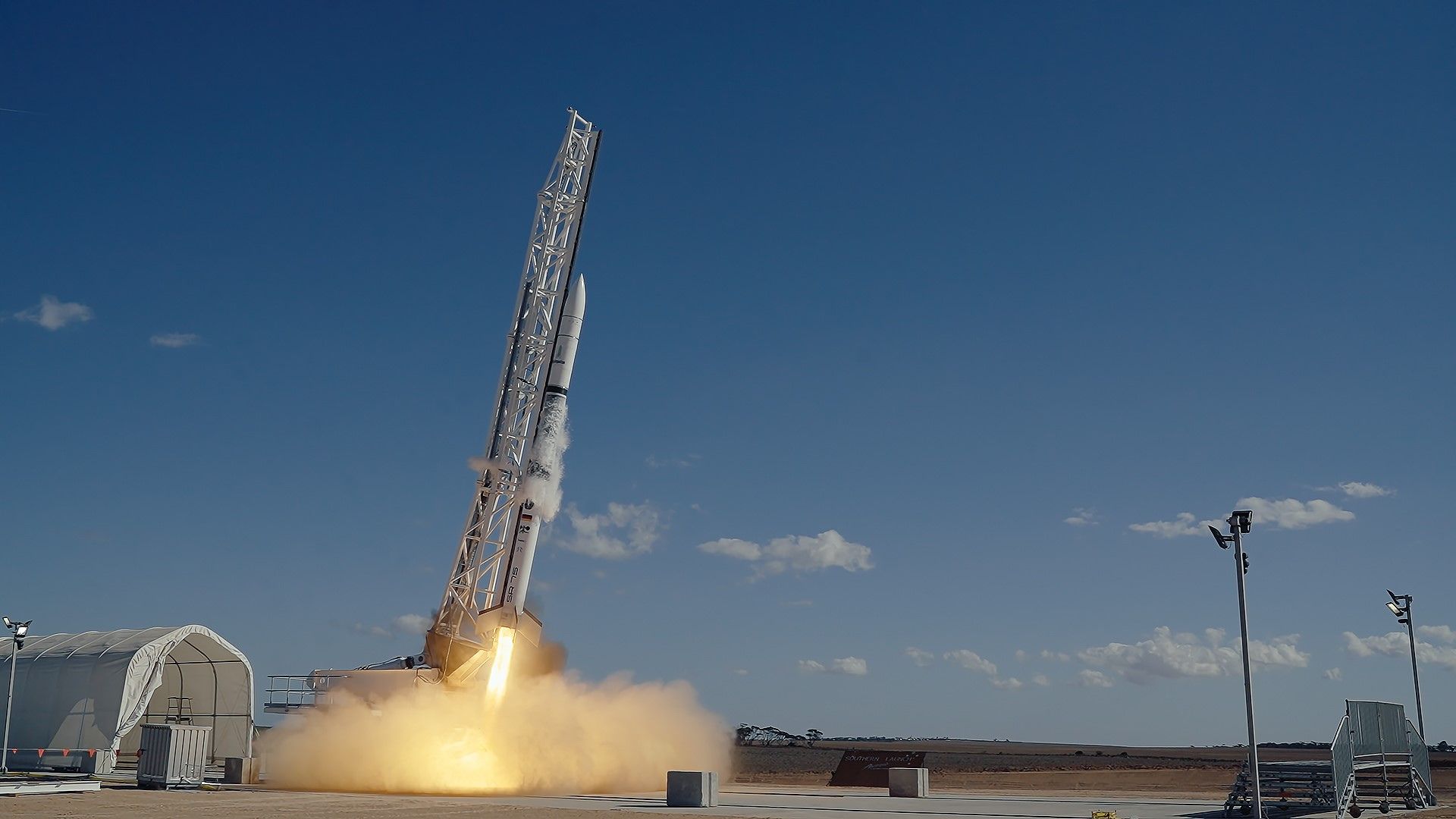
The UK currently has two launch sites holding Spaceport Licences – Spaceport Cornwall at Newquay Airport (horizontal launches) and SaxaVord Spaceport in Unst, Shetland (vertical launches).
Additionally, two launch companies hold Launch Operator Licences – Rocket Factory Augsburg (RFA) and Skyrora.
Spaceport and launch operator applicants are required to submit an Assessment of Environmental Effects (AEE), similar to an Environmental Impact Assessment, as part of their licence applications. The CAA takes the AEE into account, alongside other application information, when deciding whether to grant a licence and in setting any licence terms, conditions and reporting requirements.
The UK has already seen its first orbital-launch attempt, a horizontal (air-launch) mission from Spaceport Cornwall in January 2023. UK company Skyrora who hold a CAA launch operator licence are also advancing their launch capability.
German launch operator RFA is progressing towards an inaugural flight of its RFA ONE launch vehicle from SaxaVord Spaceport, which could become the UK's first orbital vertical launch. The RFA ONE is a 30m, two stage launch vehicle designed to deliver payloads of up to 1300kg to low Earth orbit.
SaxaVord Spaceport will have the capacity to support 60% of Europe’s orbital launches and as spaceflight activity expands, robust and proportionate environmental assessment will remain essential to ensuring sustainable growth.
Julia Barrett, Mott MacDonald, global environment practice lead said: “We’re very pleased to bring Mott MacDonald’s environmental advisory expertise to this exciting new field. It’s been a rewarding opportunity to apply our knowledge in a new context to help shape emerging approaches, ensuring innovation while safeguarding nature and strengthening long term environmental resilience.”
This new space industry guidance is designed to ensure the highest environmental standards in an emerging and technologically advanced sector.
ISEP Impact Assessment policy and engagement lead, Dr Rufus Howard, said: “This new space industry guidance is designed to ensure the highest environmental standards in an emerging and technologically advanced sector.
“Through our independent good-practice guidance, training and professional standards, ISEP has helped shape the evolution of impact assessment practice in the UK and internationally for over three decades. This guidance reflects the cross-sector expertise of the UK’s leading space industry impact assessment practitioners.”
Rosemary Whitbread, head of space regulation policy at the CAA, said: “As the UK’s space regulator we’re talking to more and more launch companies planning to head to space from UK soil. As activity grows, it's vital that environmental impacts are minimised so the major benefits of space can be realised sustainably. This is a very welcome industry initiative that will support applicants, strengthen environmental responsibility and help pave the way for the future."
Ruth Fain, director at Aurora Environmental Consulting said: “A commitment to the long-term sustainability of space projects is one of Aurora’s founding principles. Having worked on all the early AEEs for vertical launch in the UK, it has been a privilege to co-author this guidance and share our knowledge for the wider benefit of the sector.”
The guidance provides an overview of the AEE process, requirements, fundamental principles and recommended approach to environmental assessment, including: population and human health; biodiversity (eg ecology, flora and fauna); air quality; noise and vibration; water (eg quantity and quality); marine environment; climate (eg greenhouse gas emissions, impacts relevant to adaptation); land, soils and peat; landscape and visual impact; material assets and cultural heritage (including architectural and archaeological impacts) major accidents and disasters; transboundary effects; and cumulative effects.
The guidance also provides recommended approaches to the consideration of major accidents and disasters and transboundary effects and assessment of cumulative effects, in relation to these topics.


