




Future-proofing Hull’s flood defences

Project overview
Fighting future flooding
The completed flood defences for the Hull Frontages scheme includes a new elevated flood wall and adjoining raised promenade, which stretches along more than 6.5km of shoreline from St Andrew’s Quay Retail Park in the west to Victoria Dock Village in the east.
They provide Hull with a consistent standard of protection against severe flood events, reducing flood risk to a 0.5% chance in any given year – a major achievement for the second most flood-prone city in the UK.
While the 2013 floods triggered the need for the project, the scope was determined by the Environment Agency’s review of the 19km of existing defences along the north bank of the Humber, through Hull from Saltend in the east to Hessle Haven in the west.
BMMJV’s innovative “build for 2040, design for 2115” approach also takes into account predicted sea level rises resulting from climate change right through to 2040 and beyond. In the future, the flood defence walls can be easily raised with the foundations already constructed to accommodate an extra 600mm of predicted flood level increase, minimising future costs and disruption to residents.
According to Mott MacDonald associate landscape architect Rob Playford, the project created the opportunity to provide an important piece of flood infrastructure, as well as a key opportunity for a landscape-led urban renewal within Hull city centre.
Designing for multiple stakeholders
While the scheme aimed to provide protection for residential and commercial areas of the city, the Humber estuary is also internationally important for wildlife and a designated Site of Special Scientific Interest and European Marine Site. The team conducted a thorough ecological assessment of the scheme, ensuring minimal disruption to the migratory bird populations, marine life and local fauna and flora.
The estuary waterfront to be protected by the scheme also features vibrant residential and tourist areas with busy public realm spaces, industrial ports and retail parks, as well as the Trans-Pennine Trail which runs the full length of the scheme. The flood defences had to be sympathetically designed to balance these different needs while minimising the impact on the sensitive ecology of the estuary. For example, piling work at Victoria Pier was significantly revised from feasibility to construction to reduce habitat loss by 80%.
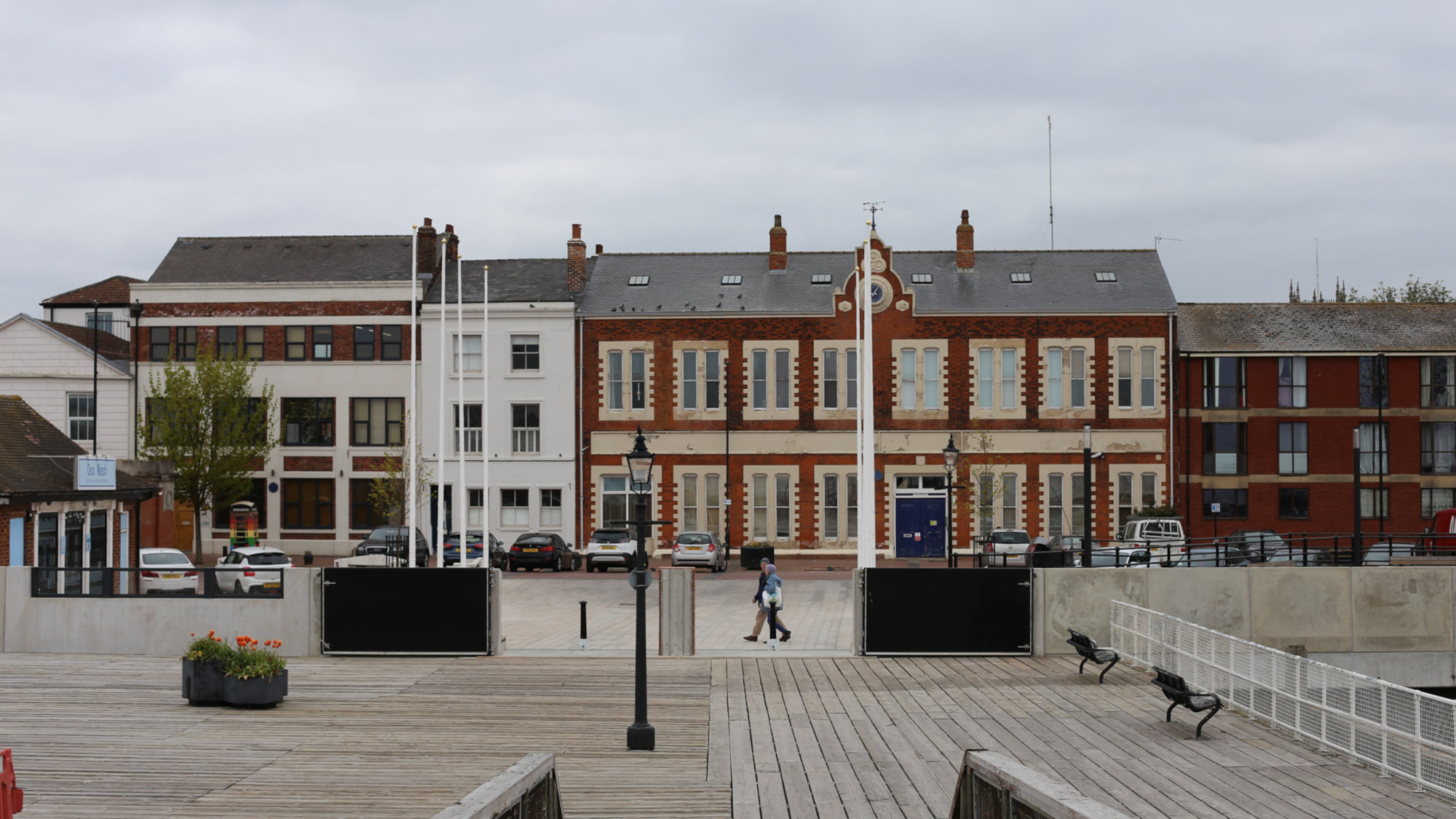
Through the work on the project, the 200-year-old Victoria Pier has been transformed. Drawing on both the heritage of the original landmark and the upgraded flood defences was key to creating a sensitive design. An innovative materials palette, including textured paving, heritage-sensitive finishes and bespoke seating, harmonises with Hull’s maritime character and reflects the historic significance of Victoria Pier, ensuring a seamless transition from old to contemporary.
Working near water also brought risk for the site team too and keeping them safe was a priority. They also had to contend with added risks from contaminated land, sudden flooding, exposed weather conditions, falls from height and even the potential of uncovering unexploded WWII bombs in the estuary.
Creating broader local benefit
Ensuring the project not only benefited the community with improved flood defences but also created new opportunities and better amenities was also a critical part of the project.
The scheme was committed to using local labour for construction. Apprentices working on the project went on to full-time employment on completion of their course and local tradespeople were able to work towards NVQs to enhance their skills development and future work opportunities.
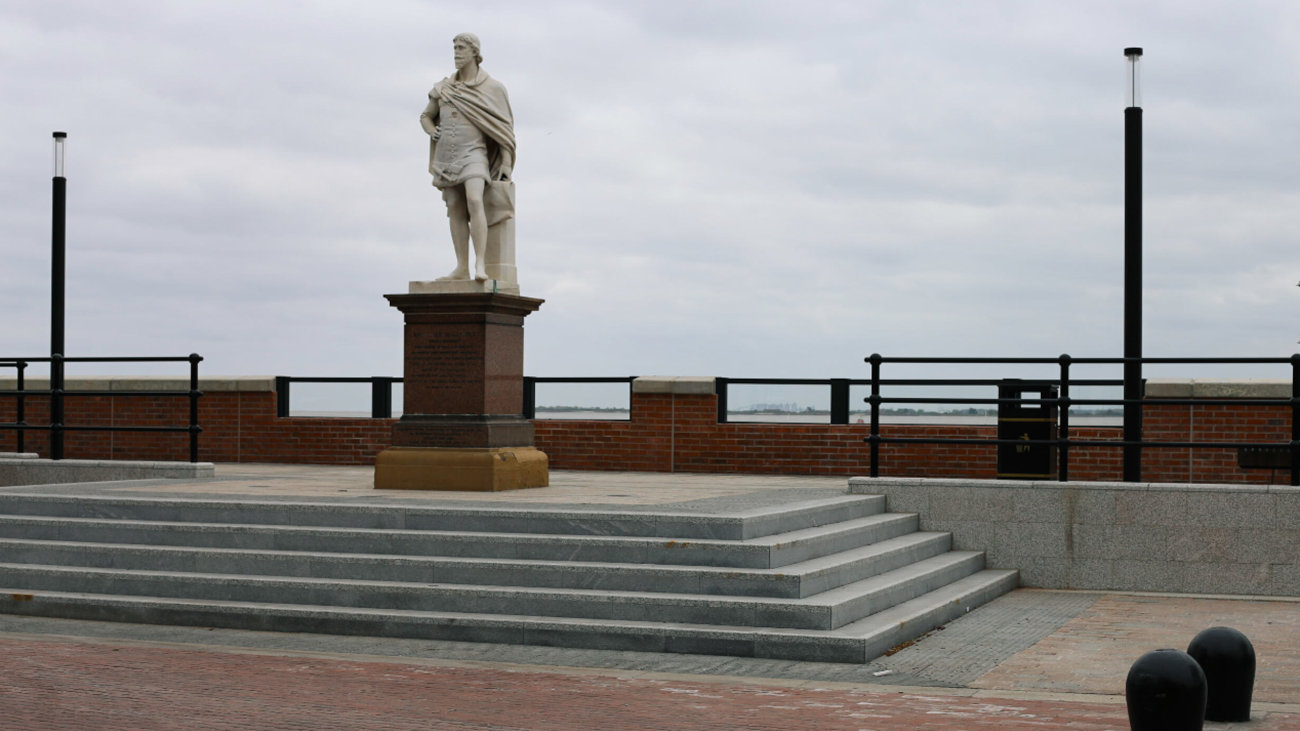
A focus on culture extended to preserving existing artwork, as well as creating new installations. A statue of one of Hull’s most famous residents, William De La Pole, was carefully protected during construction and successfully reinstated once work was completed. Existing public art reflecting the heritage of the location was also retained and re-installed on completion of the work.
Work along the stretch covering St Andrew’s Quay included a section in the shape of a boat hull, which incorporated a memorial to lost trawlermen, reflecting the area’s maritime history.
Reflecting on the success of the work, Environment Agency area director for Yorkshire South West, Neil Longden, said: “The project marked the Environment Agency achieving its national target of 300,000 properties with reduced flood risk. Being part of a national achievement, building trust through protecting people and their livelihoods, collaborating with partners and developing stronger relationships, working safely and considerately, and safeguarding Hull for the future should leave the project team feeling proud.”
At the time of the official opening the then Hull City Council leader, Daren Hale, said that the state-of-the-art flood defences were critical to the regeneration of Hull.


Subscribe for exclusive updates
Receive our expert insights on issues that transform business, increase sustainability and improve lives.