




Julie Wood: Why an apprenticeship made all the difference to my career
Mott MacDonald Fellow and the president elect of the Institution of Civil Engineers (ICE), Julie Wood, reflects on discovering her path through an apprenticeship, the projects that shaped her and why inclusivity and diverse entry routes strengthen our profession.
What first attracted you to engineering and how did you discover the apprenticeship route?
I actually stumbled into engineering. When I was 17 or 18, I didn’t really know what I wanted to do. No one in my family had been to university so it wasn’t something that had ever been discussed. I found myself drifting into sixth form almost by accident, this was to take more O Levels and two A levels that turned out to be completely the wrong curriculum.
School had been a tough experience, but one that built personal resilience. Sixth form was restorative socially, but academically it turned out to be a poor choice. While lots of people around me were preparing UCAS forms, I didn’t have the right qualifications, didn’t feel part of that cohort and university wasn’t a route that was discussed with me or one that I discovered for myself. It seemed to be for people from a different background to mine.
It was my future husband, an architectural technician, who opened the door for me. He said: “There are women architects – and you’re good at maths. There must be women engineers too.” That really sparked something.
I’d always loved the technical side of things – Lego, building, making things – and I started looking into apprenticeships in my local area in the North East of England.
What was your experience like as an apprentice?
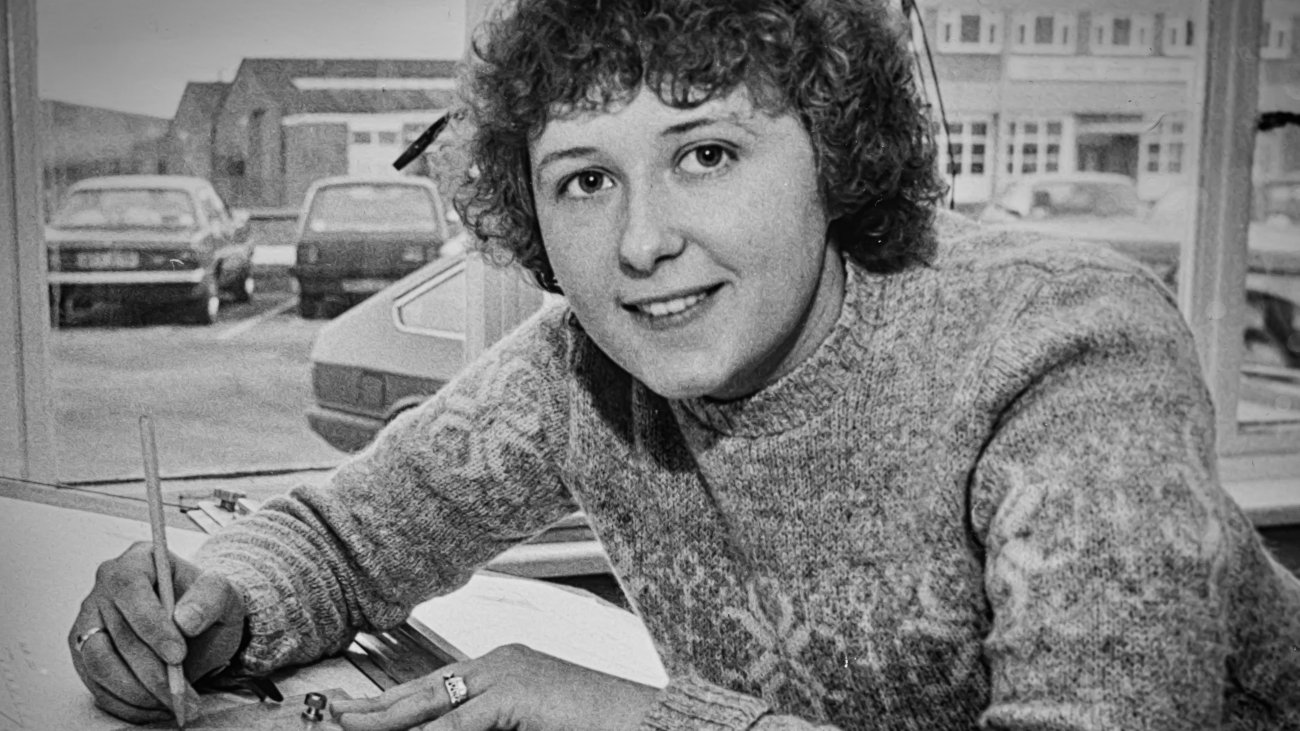
I joined a small civil and structural consultancy in Stockton, working in the drawing office while studying a BTEC on “day release”. Very early on I was producing beam layouts, column schedules and connection details for steelwork being fabricated locally for real projects. Seeing things I’d drawn actually get built was incredibly exciting.
There were three apprentices and one of our “duties” was the bacon sandwich rota. It sounds trivial but having to go round the office taking orders from people with 20‑plus years of experience was a great early lesson in communication, confidence and building personal resilience.
How has your journey evolved from apprentice to senior leader in the industry?
My BTEC results encouraged me to progress to a sandwich degree at Teesside Polytechnic, where a year‑long placement with Middlesbrough Council showed me that leadership can happen at any stage, not just when you are senior. Working with the workforce, office teams and facing the public taught me the importance of building strong relationships.
After graduating I worked on Gatwick Airport’s North Terminal, designing the new canopy to a wind code I’d just studied. Thanks to my apprenticeship, I already understood how design offices operate and how to collaborate effectively with contractors.
Within a couple of years, I was leading a team of around 30 people on a 90,000m2 retail development. Being thrown in at the deep end early on built confidence, communication and resilience, skills I still draw on today.

Image credit: Julie Watson Photography
Which projects have you found most exciting or rewarding to work on and why?
Two projects stand out for very different reasons.
The McLaren headquarters in Woking was a £450M project and my first experience working with signature architects. McLaren wanted the same representative from each discipline in every major meeting, so as a project engineer I found myself regularly discussing decisions with the chief executive.
The project transformed my view of quality. All steel connections were exposed and every nut on each connection had to align perfectly. We were challenged by McLaren and I doubted it could be done but by designing the connections ourselves and working closely with fabricators, we delivered it and within budget.
Then there was the £650M Francis Crick Institute in King’s Cross. This was rewarding in a completely different way. The project brought together seven clients, 1200 scientists and a highly serviced, technically complex building. Rather than flexibility the priority was adaptability, designing adjacent spaces that allowed scientists from different disciplines to mix, collaborate and spark major medical breakthroughs. Our goal was simple; to give them the best environment possible to advance their research.
How do you hope to influence the future of the civil engineering profession through your work and leadership roles?
One of the biggest things I’ve learned and now champion is the importance of having engineers in the room early. When we are involved at the start, we can influence decisions in ways that improve quality and outcomes rather than this key input arriving too late.
I also want us, as civil and infrastructure professionals, to articulate our societal value more clearly. We are custodians of nature and the built environment and what we do benefits communities every day. We don’t always explain that as well as we could and I’d like to help change that.
Why do you think apprentices play an increasingly important role in our sector?
Apprentices bring different thinking and that diversity is essential. Growing up in a working‑class family and attending a local secondary modern school, I’ve seen first‑hand the value that alternative routes add to the profession.
Apprenticeships sit alongside traditional academic pathways and widen access for people who learn best through practical experience, develop at a different pace or simply are unsighted on the full range of ways to enter the profession. The UK has a major skills shortage, so widening the ways people can join our profession is vital.
As I prepare for my ICE presidency later this year, one of the messages I’m championing is just how inclusive our profession is. Whether you come from an elite university or an apprenticeship, like I did, the military services or you’re returning to work, our industry welcomes people from many different backgrounds and trajectories.
What advice would you give to someone considering an apprenticeship?
Think about and understand what motivates you. If you like learning in a practical way, one day of academic study and four days applying it on real projects, then an apprenticeship could be perfect.
A traditional university route comes with a significant financial commitment. Some people can put that out of mind, but for others it’s a real worry. Knowing yourself is key.
Finally, join at the level that’s right for you. There are different entry points for the apprenticeship route and it’s important to start at the one that matches your experience and goals.
Ready to shape your story? Explore our apprenticeship opportunities and start your journey with Mott MacDonald.


Develop your own career with us
We are looking for enthusiastic, inspiring, and committed people to join our growing team.
