




Contribution of nature-based solutions to solving UK water problems demonstrated by innovative new project
The first phase of the £9M Mainstreaming Nature‑based Solutions (MNbS) programme – funded by Ofwat – has concluded and has demonstrated an appetite for greater adoption.
Mott MacDonald led work on the MNbS Policy & Regulation and Standardisation workstreams, identifying key regulatory barriers and developing recommendations now being shaped into an advocacy strategy.
The programme will now test Phase 1 tools and policy recommendations through regional demonstrator projects and develop a tracked programme to strengthen the evidence base on NbS performance.
First phase of a collaborative Mainstreaming Nature-based Solutions programme, supported by Ofwat’s Innovation Fund, has concluded. Mott MacDonald technical director for nature-based solutions Marieke Nieuwaal shares the achievements to date, lessons learned and the next phase of work for this project.
Nature-based solutions (NbS) have been implemented effectively to tackle the impact of flooding and drought, as well as improve water quality and biodiversity at a local level. However, delivering them at scale to demonstrate the true value they can create has been difficult to date. At the end of last year, completion of the first phase of the programme to identify barriers and enablers to bringing NbS to the mainstream has brought resolving the scale challenge one step closer.
This £9M Mainstreaming Nature-based Solutions (MNbS) programme, which started in 2023 and runs through to 2028, has been funded by water industry regulator Ofwat through its Water Breakthrough Challenge. The MNbS project team brought together 23 core partners, including Mott MacDonald, with other multi-disciplinary organisations, stakeholders and regulators to find solutions to scaling up NbS.
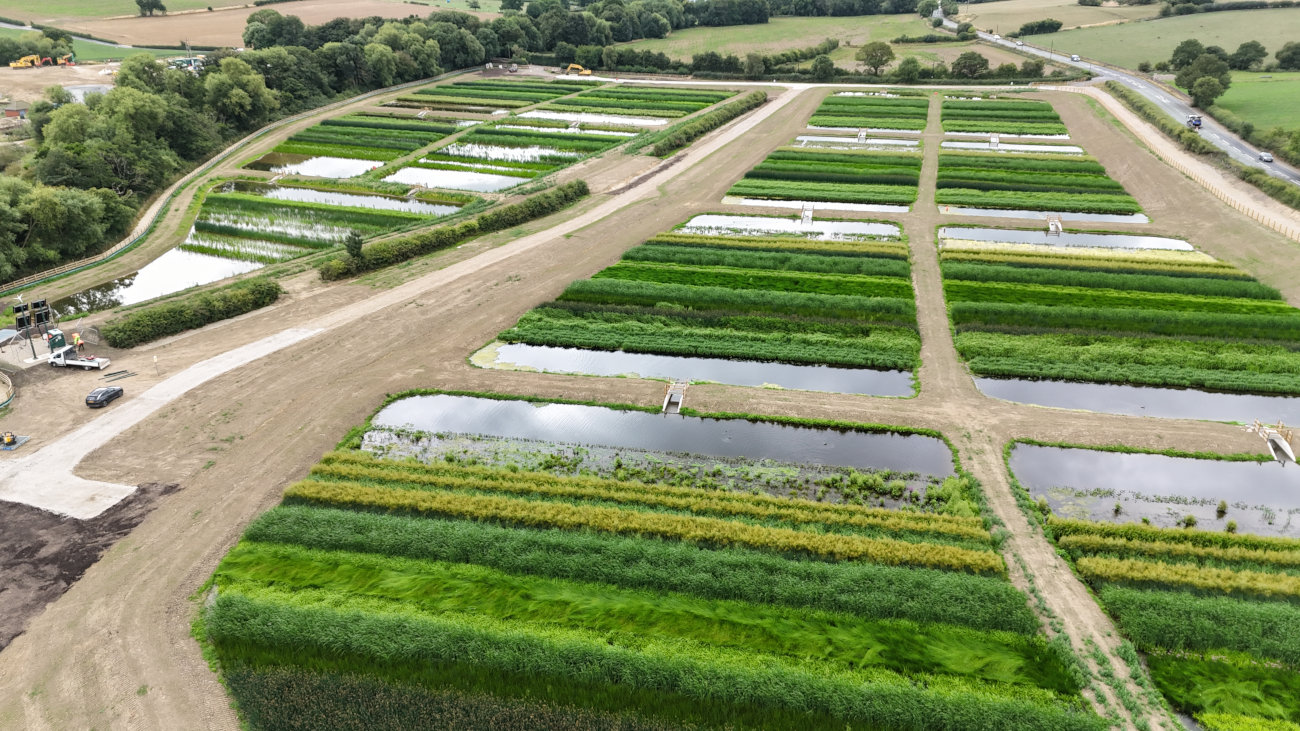
Making NbS a business as usual solution is a huge task. There is currently no unified approach among UK government, devolved administrations, regulators, investors, water companies, NGOs, local authorities and other stakeholders. As acknowledged by John Cunliffe in the Independent Water Commission’s Final Report, published last summer, current regulations created with hard engineering solutions in mind do not incentivise the use of multi-benefit solutions such as NbS. Among other recommendations, the report called for greater reliance on NbS for future water management in the UK.
Understanding what is defined as a NbS is part of the challenge as they cover a broad range of approaches and interventions that work with nature to address societal challenges, providing human well-being and biodiversity benefits. NbS can range from restoring meanders in rivers and creating wetlands or woodlands to changing land management practices to enable soils to absorb and filter surface run-off. In urban environments, NbS could include planting trees, installing green walls and roofs, implementing sustainable drainage systems or creating small “pocket parks”, with these interventions providing recreational spaces, increasing resilience to flooding and improving water quality among other benefits.
Phase 1 of MNbS
Mott MacDonald’s work on MNbS focused on Policy and Regulation and Standardisation workstreams from outset, as well providing project management services to the programme, ensuring partners work as a single integrated team.
Following a review of existing policy and regulation, the team mapped and assessed current policy barriers and identified a number of recommendations to accelerate NbS adoption, which is now being formed into an advocacy strategy. This workstream has also been critical to supporting wider MNbS responses to key industry consultations including the Cunliffe Review, the Land Use Framework, Flood Budgets and the Defra Call for Evidence on Private Sector Role in Nature Recovery. In Phase 2 of the programme, this workstream will focus on working with the MNbS Regional Demonstrator Projects to test the policy recommendations developed during Phase 1 of the programme.
Through the Standardisation workstream, Mott MacDonald has led the development of a number of standardised approaches and tools, including developing a common categorisation of NbS and a risk framework for NbS projects, to help standardise approaches to the planning and management of NbS projects. These outputs are feeding into a standardised data model developed by the project, which holds information about NbS projects, interventions and management.
The MNbS programme has shown that there is an appetite in the water sector and beyond to bring NbS into the mainstream through innovation and collaboration.
Working with the Rivers Trust NbS Hub, MNbS is proposing uptake of this “One Data Model” so that NbS projects are recorded and reported in a consistent way, which is key to projects being planned, designed, implemented and managed efficiently. As with the Policy and Regulation workstream, the Standardisation workstream will test its Phase 1 outputs with the MNbS Regional Tests, which will enable further refinement of these standardised tools and approaches.
Mott MacDonald’s remit was expanded during the first phase to include scoping of a Tracked Programme of NbS which we are currently working on with other MNbS partners as we move into Phase 2 of the programme. This work will address the real – and perceived – lack of evidence on NbS performance, which was identified as a barrier to adoption during the early stages of the MNbS programme.
If successful, this initiative will transform the current cycle of NbS underinvestment into a positive one and is critical to unlocking greater investment in NbS, strengthening the evidence base, and eventually moving NbS to a business as usual approach. This is key to ensuring the sector is better able to justify NbS investment by the time the next five-year Asset Management Period (AMP9) starts in 2030. This work is being in collaboration with regulators to ensure the evidence aligns with regulatory requirements.
Making NbS business as usual
The MNbS programme has shown that there is an appetite in the water sector and beyond to bring NbS into the mainstream through innovation and collaboration. It has also demonstrated what can be achieved when industry specialists, regulators, advocacy organisations and policymakers align priorities and work towards a common goal.
There are no overnight solutions and the recommendations, if implemented, will take time to bed in. However, I’m confident that this programme is shifting the dial in the right direction. Our aim over the remainder of the programme is to continue to show the wider benefits of NbS to encourage greater adoption and the transition to their use as a business as usual approach.


Subscribe for exclusive updates
Receive our expert insights on issues that transform business, increase sustainability and improve lives.