




Hydrogen holds the key to unlocking renewable energy’s full potential
Hydrogen could be used for storage of excess renewable energy to reduce reliance on fossil fuels
Achieving grid-integrated hydrogen systems requires coordinated efforts among governments, developers, producers, pipeline owners and grid operators
Mott MacDonald has gains valuable lessons from work on creating a framework for the Dutch government to guide decision-making on offshore energy hubs
Solar and wind power are critical to achieving net zero, but hydrogen could be the key to further decarbonisation. Making that happen calls for collaboration and planning today, says Mott MacDonald principal process engineer Alicia Bahler.
Having more renewable energy than can be used at the time of generation shouldn’t be viewed as waste – it’s untapped potential. Just in a single day this summer, it was calculated that £1.3M of wind energy – 9763MWh – was wasted because production exceeded domestic demand.
The solution to realising this potential is hydrogen. By converting surplus renewable power into hydrogen, energy can be stored and used later when generation drops or demand peaks, keeping the grid balanced and reducing reliance on fossil fuels. However, making this a reality at scale within the next five to 10 years requires technology development, systems integration and cross-sector collaboration – and that work needs to start now.
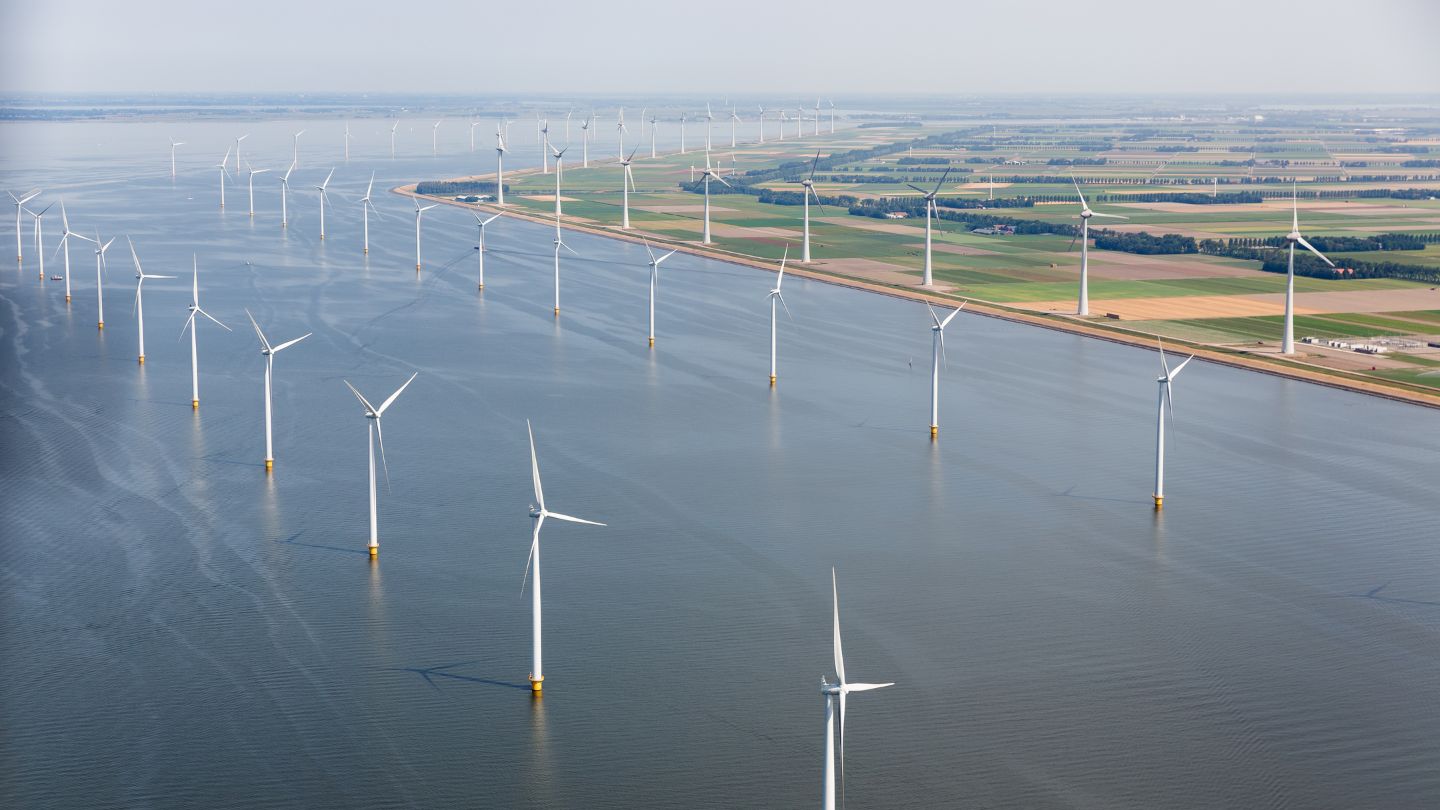
Small scale green hydrogen projects are already in development in Scotland, typically at individual windfarms serving local users. What’s needed is much larger scale, grid-integrated hydrogen production, so stored energy can be converted back to electricity when needed.
With grid integrated hydrogen systems in place, the energy generated by wind or solar power could flow directly into the grid, into hydrogen production, or a flexible mix of both. Achieving this will take coordinated effort between different stakeholders including government, wind farm and solar farm developers, hydrogen producers, pipeline owners and grid operators.
There is also the need to scale up existing electrolysis technology and overcome challenges in compressing hydrogen due to its different properties compared to natural gas. None of these challenges are insurmountable. Regulations and policies also need to change and adapt, as they often slow development, with permitting and consenting processes currently unclear. There is also the perception that hydrogen is too expensive because it is being compared to fossil fuels, whereas it should be compared to low carbon large energy storage alternatives.
Just in a single day this summer, it was calculated that £1.3M of wind energy – 9763MWh – was wasted because production exceeded domestic demand.
Reviewing these issues, along with whether to locate the hydrogen production facilities needed onshore or offshore on a platform, island or directly at the wind turbine, has been the focus of multiple projects undertaken by Mott MacDonald in the last four years. This included developing a framework for the Dutch government to help guide decision-making on offshore energy hubs.
Insights from smaller-scale hydrogen projects have also been invaluable in understanding what it will take to scale up. Pilots will be essential stepping stones. Smaller, grid-integrated projects will help to further identify and resolve the technical and regulatory challenges, laying the foundation for future scaling.
The opportunity is clear. Large-scale, grid-integrated hydrogen production is still at a conceptual stage, but it holds huge potential to accelerate the transition to net zero. To ensure we are not still just talking about concepts in five years’ time, we need a long-term vision – and collaboration must start now. Waiting for government policy alone to drive change won’t deliver progress; we must work together to find solutions.
Businesses like ours, alongside wind and solar farm developers, hydrogen producers, pipeline owners and grid operators all share the responsibility to drive further decarbonisation. By bringing our knowledge together, we can unlock hydrogen’s potential and make every megawatt count.


Subscribe for exclusive updates
Receive our expert insights on issues that transform business, increase sustainability and improve lives.