




Innovative design for Belfast International Airport safeguards future growth

Project overview
Project
How refining airport design creates future potential
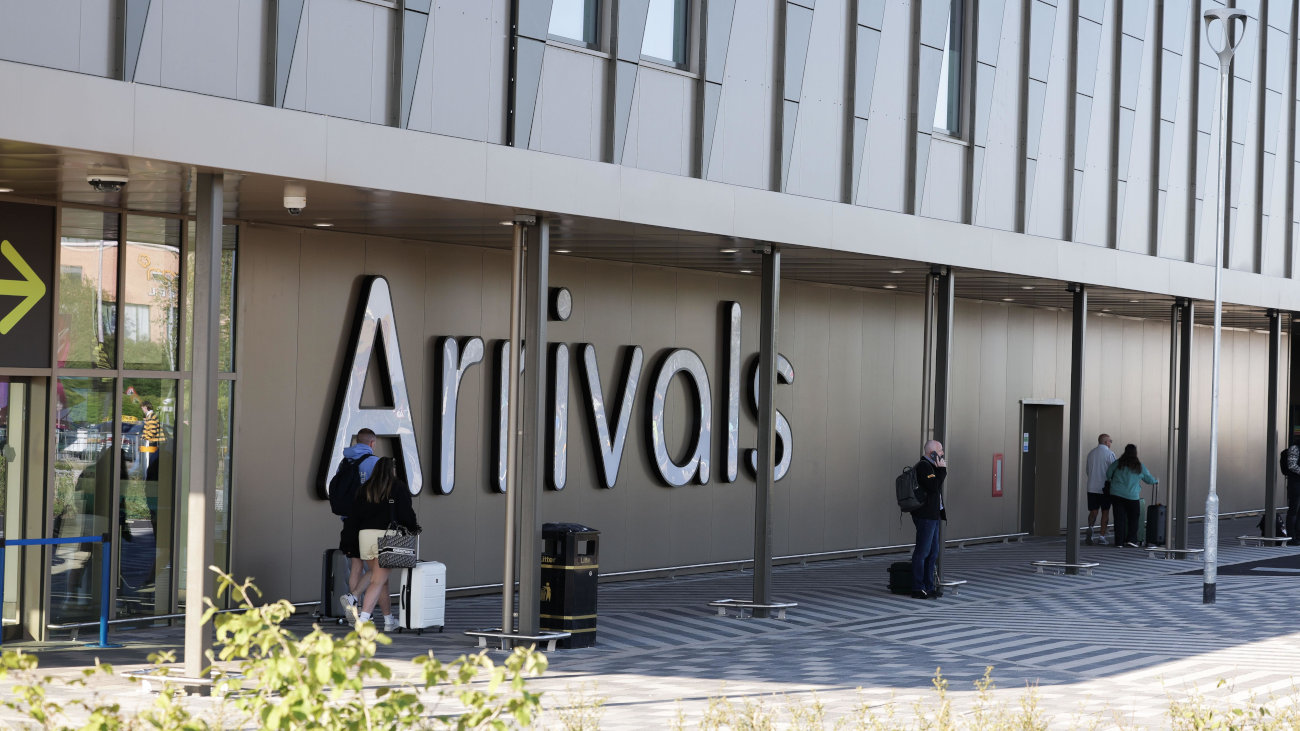
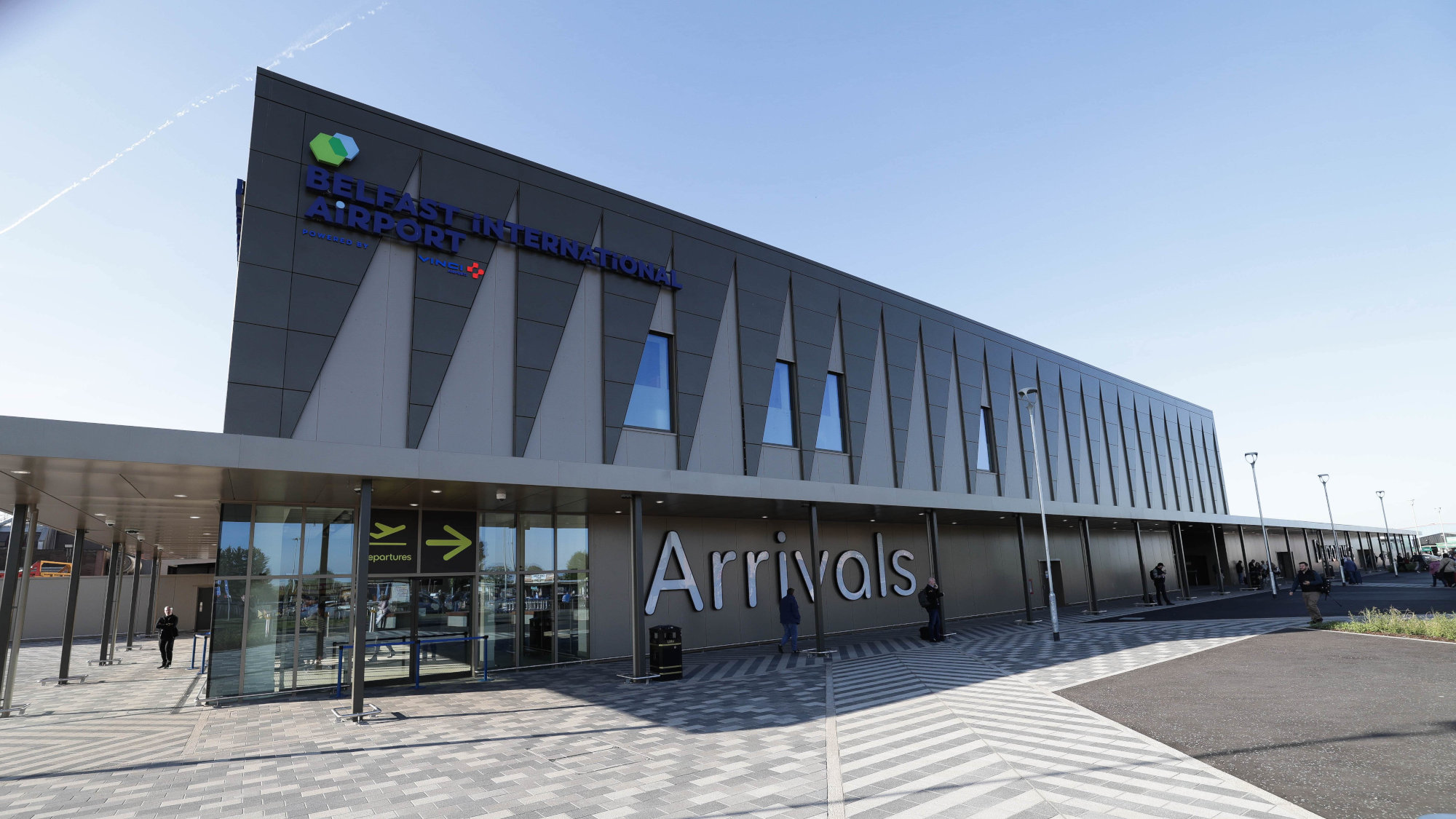
Mott MacDonald was tasked with creating detailed design for an expanded, next-generation security hall, a 1600m2 duty-free store, a revamped entrance and external forecourt and approximately 2000m2 of internal refurbishment at Belfast International Airport (BIA), which officially opened in May 2025.
The work is part of BIA’s £100M, five-year investment programme to support growing passenger numbers and evolving operational needs, while also significantly enhancing the passenger experience at Northern Ireland’s busiest airport.
Mott MacDonald’s project team took a proactive approach to challenge and refine an existing outline design to add value and better meet the client’s long-term requirements – all within the original programme timescale.
The need for change
New Department for Transport regulations to introduce state-of-the-art C3 cabin baggage and full body scanners into UK airports by June 2024 meant that BIA’s existing facilities were no longer fit for purpose. The Covid-19 pandemic also had a profound impact on the aviation industry, changing the way airports operate and how people use and move around them. BIA embarked on a redevelopment of its security hall and adjacent areas to meet these new challenges. However, as well as postponing the project, the pandemic also contributed to pushing the initial cost estimate up from £10M to approximately £25M. Finding cost savings was a critical part of Mott MacDonald’s reimagining of the work.
Challenging assumptions
Once on board, the Mott MacDonald team evaluated the existing concept design to find ways to reduce costs and make the design more efficient throughout the design process, all while keeping a busy working airport open for business.
Drawing on its extensive aviation experience, the multidisciplinary team challenged the original design, identifying several non-compliances and opportunities, and proposed alternative solutions to improve the design. The new layout was more adaptable, relocating immovable elements, such as toilets and lifts, as well as leaving strategic voids to allow for future expansion. Bespoke external panels were replaced with standardised, modular ones to reduce costs and broaden supplier options, saving around £2M. Demolition work was minimised to reduce risk and disruption to the airport’s operations, while detailed phasing plans, devised in collaboration with stakeholders, ensured passengers could access critical services and spaces, particularly security and arrivals, throughout construction.
Mott MacDonald senior associate architect Darren Baird, who was instrumental on the project, says: “We worked closely with stakeholders to develop the design and ensure it met the needs of all users. Our team made the overall layout more adaptable and intuitive with clear sightlines around the building to improve wayfinding. This reduced reliance on signage, enhanced passenger flow and, ultimately, saved the client money.”
Value engineering
The team were able to reduce costs by around £6M, achieved by challenging the design at all stages and not just at tender stage when savings are more difficult to incorporate. New commercial units and a larger duty-free area, enabled by reconfiguring the spaces, plus carefully positioned digital advertising on key passenger flow routes, will further offset costs to BIA through increased revenues. In addition, the use of local design reduced costs by enabling a quick response to any issues on site.
Darren adds: “Due to the team’s specialist knowledge and experience, we were able to reduce the overall ground floor footprint by around 60% to reduce the overall CAPEX without compromising any of BIA’s requirements. In some cases, we were able to create additional value without delaying the design programme. This is testament to the team’s ambition to find the best value outputs for our client and demonstrated our teams’ expertise and capability.”
A sustainable legacy
Using experience from a similar project at George Best Belfast City Airport, the team ensured the new design incorporated net zero strategies and carbon reduction goals to leave a sustainable legacy for future passengers. The terminal building now generates its own power using the airport’s existing solar panels and the design incorporates integrated reversible heat pumps in air handling units, enhanced building controls, low energy LED lighting and charging points for electric vehicles.
Belfast International Airport CEO Dan Owens says: “When we started this process, we were focused on our goal to transform the passenger experience at Belfast International Airport. With the work delivered so far, we can say we have made significant progress in achieving that goal.”
The next phases of BIA’s £100M investment are expected to include the development of additional departure gates, passenger seating, a modernised facade and new retail outlets. There are also plans for a 26MW solar farm on the airport site, which would offset an estimated 12,500t of carbon emissions every year.
Subscribe for exclusive updates
Receive our expert insights on issues that transform business, increase sustainability and improve lives.