


Republic of Ireland gender pay gap report 2026

Foreword
Foreword
At Mott MacDonald, inclusion is part of how we build strong teams and deliver for our clients and communities. We want every colleague to feel respected, valued and able to contribute and progress.
Publishing our gender pay gap report for the Republic of Ireland is an important part of being transparent and accountable. This year, our figures show a mean gender pay gap of 48% and a median gap of 23.8%. Compared with last year’s figures of 50% and 30.3%, both measures have reduced: the mean by 2 percentage points and the median by 6.5 percentage points. This is encouraging progress, while also reminding us that a significant difference remains.
The gender pay gap measures the difference in average pay across our workforce. It is not, by itself, a like-for-like comparison of pay for equivalent roles, nor does it explain the factors behind the figures. We will continue to consider the results alongside our workforce data, including representation and progression across roles and levels, so that we can better understand where action is needed.
This matters in the context of Ireland’s future engineering needs. Engineers Ireland estimates that more than 22,000 additional engineers will be needed over the next decade to support priorities including housing, energy and transport. Building a broad talent pipeline and supporting women to develop and progress in the profession, is part of meeting that challenge.
Our leadership team is committed to narrowing the gender pay gap and sustaining action over time. We will focus on recruitment, retention and career development and use our data to identify barriers and monitor progress year on year. Where progress is not happening quickly enough, we will review our approach and strengthen our action. Our goal is a more inclusive workplace where women can develop and progress throughout our Ireland business.
We want every colleague to feel respected, valued and able to contribute and progress.
Managing director, Mott MacDonald Ireland
Pay gap reporting terms explained
When looking at pay gap figures, it is important to remember there is a difference between equal pay and a pay gap.
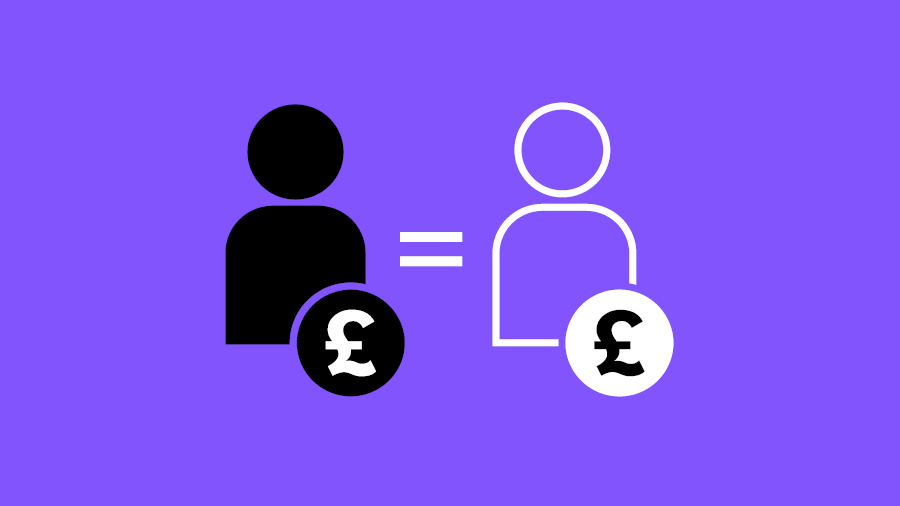
Equal pay
Equal pay means that a person in one group in an organisation and a person in a comparative group should not be paid differently for performing equal work.
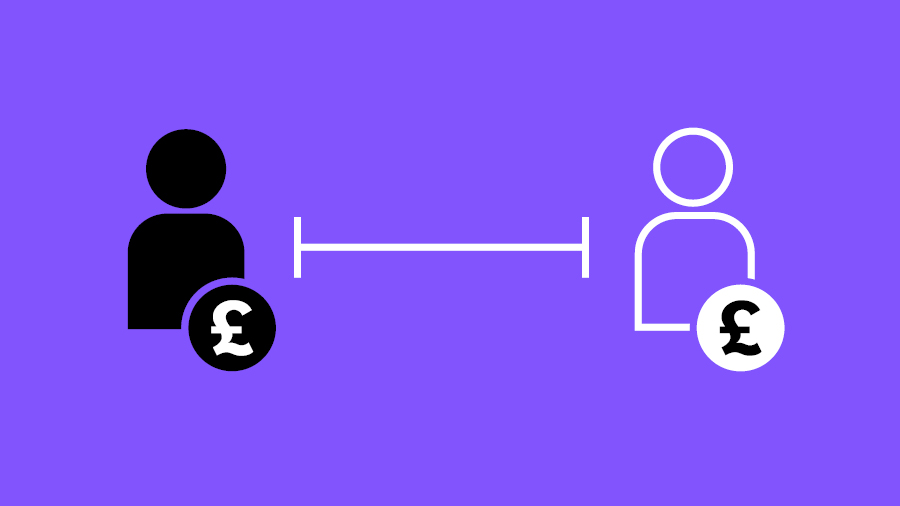
Pay gap
A pay gap measures the difference between the average earnings of one group compared against the average earnings of another group. The difference is expressed as a percentage of the first group’s earnings.
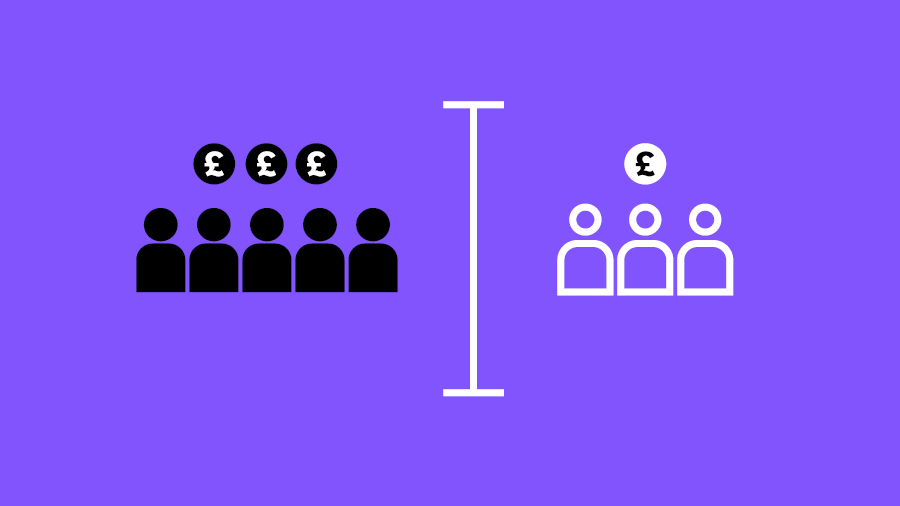
Mean pay gap
The mean pay gap is the difference between the average earnings of two groups.
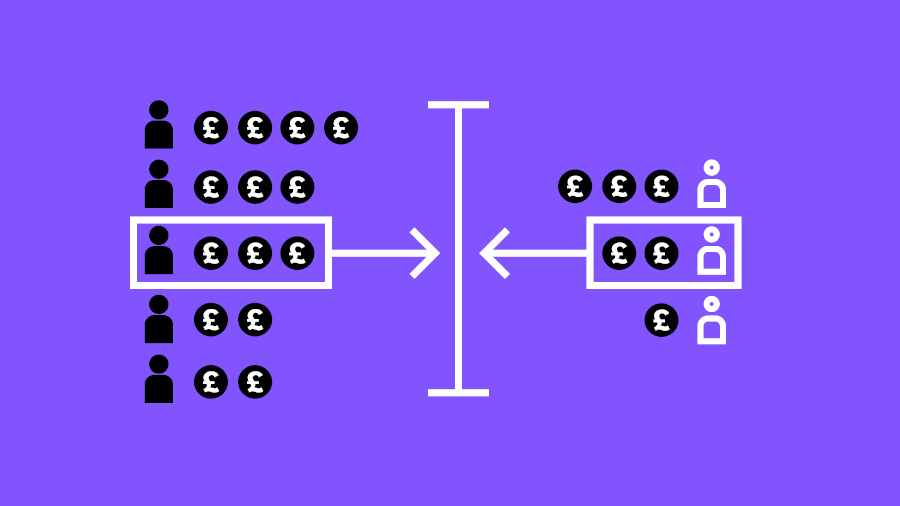
Median pay gap
The median pay gap is the difference in hourly pay between the mid-points of two groups’ earnings, when their salaries are listed by size.
Reporting populations
Mott MacDonald’s reporting is based on an employee population size of 154 on 30 June 2026, with a split of 36.4% female and 63.6% male
Please note: throughout this report, numbers have been rounded to one decimal place. Sometimes, this leads to what appear to be discrepancies in data. This is solely due to the limitations of rounding numbers and is not a result of inaccuracy.

Note on gender reporting
For statutory gender pay gap reporting in the Republic of Ireland, pay data is reported using the male and female categories required by the reporting framework. These categories do not capture the full range of gender identities and sex characteristics in our workforce. As a result, some colleagues may not see their identities reflected in the figures.
Mott MacDonald has introduced a gender identity field in its HR system, allowing colleagues to record identities beyond male and female. As the data becomes more complete, we will use it to build a fuller understanding of our workforce and explore internal pay analysis that reflects gender identity alongside statutory reporting, where meaningful and confidential analysis is possible.
Gender pay gap and representation
Gender pay gap 2026
In 2026, Mott MacDonald’s Ireland business in the Republic of Ireland reported a mean gender pay gap of 48% and a median gap of 23.8%. This is a reduction from 50% and 30.3%, respectively, in 2025. The gender pay gap is not the same as unequal pay for the same or equivalent work. It reflects the distribution of men and women across the organisation and across different levels of pay.

Our workforce demographics show that women are disproportionately concentrated in junior roles and are notably underrepresented in senior roles. For instance, women make up 52.5% of staff roles, 27.5% of management roles and 20% of leadership roles.
In other words, a majority of women in our Republic of Ireland business are in the lower-paid half of the workforce, while the higher-paid tiers are predominantly male. This imbalance in role seniority and pay level is the primary reason for our high gender pay gap. The pay quartiles show a similar imbalance at the highest pay levels: women represented 15.8% of the upper quartile, compared with 41% of the lower quartile.
While the overall pay gap has narrowed, progress is not consistent across all measures. Female representation reduced compared with 2025, including at management and leadership levels and within the upper pay quartile. Representation should, however, be considered in the context of the gender profile of the engineering and technical labour market from which we recruit. Our focus remains on ensuring fair and inclusive recruitment, retention and progression, with appointments and advancement based on the skills, experience and requirements of each role. Given the relatively small size of our Republic of Ireland workforce, year-on-year movements should also be interpreted with appropriate care.
Because men hold a larger share of the top-paying jobs and women are more represented in lower-paying jobs, the average pay for women is pulled down relative to men. Even small changes in a team of our size can influence the percentages and, with a relatively small employee population in the Republic of Ireland, minor variations in role composition or pay can have a noticeable effect on the percentage figures reported year to year.
A key factor behind this imbalance is the gender composition of the wider engineering talent pool in the Republic of Ireland. Higher Education Authority data shows that women accounted for approximately 25.4% of enrolments in engineering, manufacturing and construction courses in 2024/25, up from 24.5% in 2022/23 and 18.3% in 2016/17. Women, therefore, remain underrepresented in this broad field, despite the gradual increase.
The gender profile of our workforce is influenced both by our own recruitment, retention and progression outcomes and by the composition of the external engineering and technical labour market. We, therefore, consider representation alongside available talent-pool data and internal career outcomes, rather than viewing workforce percentages in isolation.
Recruitment is only part of the picture; retaining and supporting women in engineering also matters. In a 2025 study undertaken in Ireland, 48% of the 311 respondents still working as engineers said they had considered leaving the profession. Participants who had left or considered leaving reported experiences including having their contributions overlooked, isolation or sexism and insufficient support for work–life balance. These are findings from the study’s participants, not estimates for all women engineers in Ireland.
Our senior leaders recognise their responsibility to address the barriers reflected in these results. They are committed to strengthening fair access to recruitment and progression, supporting the retention and development of women and using workforce data to understand where progress is and is not being made. We will continue to report transparently and hold ourselves accountable for sustained progress.
Nonetheless, the overall trend is clear – our gender pay gap is primarily driven by the underrepresentation of women in senior, higher-paid positions. To reduce the gender pay gap, we need to increase the representation of women at higher levels of the company. As we work toward a more balanced distribution of men and women across all grades, we expect to see the gap decrease over time.
The shape of the workforce
The shape of Mott MacDonald’s workforce significantly impacts its pay gaps. Based on the business’s internal grading structure, employees have been grouped into “junior staff”, “management” and “leadership”, as shown in the bar chart below.

Representation per quartile
Pay quartiles are used to show how the representation of female and male employees varies throughout the organisation. They are created by ordering the population based on hourly pay from lowest to highest and then dividing it into four equal groups.

Mean gender pay gap per quartile
Mott MacDonald’s gender pay gaps vary across quartiles. The quartile analysis shows that the mean gender pay gap is concentrated in the upper pay quartile. In 2026, the gap there was 32.5%, compared with between 0.8% and 2.8% in the other quartiles. Although the upper-quartile gap narrowed from 42.9% in 2025, it remains the clearest area for further attention. The figures show where the difference is greatest, but do not by themselves explain its causes.

Gender bonus gap
Percentage of male and female employees receiving bonuses

In 2026, 92.9% of female employees and 83.7% of male employees received a bonus. In 2025, the proportions were 54.4% and 62.3% respectively. Bonus participation has therefore increased for both groups, with a higher proportion of women receiving a bonus in 2026.
Bonus gaps

The mean bonus gap rose slightly, from 68.1% in 2025 to 68.8% in 2026, while the median gap fell from 60.5% to 49.5% this year. Bonus participation measures whether employees received a bonus; the mean and median gaps compare the amounts received. The figures show that, although a higher proportion of women received a bonus, a substantial difference in bonus amounts remains. These overall figures do not explain what is driving that difference; this would require analysis of bonus amounts and eligibility by role.
Differences in bonus eligibility arise because a greater proportion of men currently occupy senior or longer-tenured roles that qualify for performance-related pay, while more women are in newer or junior positions that are not yet bonus-eligible. Bonus eligibility criteria are consistent across our Ireland and UK businesses and there is no difference in how bonuses are awarded between men and women in equivalent roles.
The overall bonus gap is influenced by these structural factors as well as the smaller size of our business in the Republic of Ireland. Small changes in individual roles, new hires, or salary levels can create large shifts in percentage outcomes. As representation of women increases in senior and bonus-eligible positions, we expect the gap to narrow over time.
Percentage of male and female employees receiving benefit in kind

In 2026, 6.1% of male employees and 3.6% of female employees received a benefit, compared with 7.8% and 3.5%, respectively, in 2025. The difference between men and women narrowed, while the proportion of women receiving a benefit remained broadly unchanged. As relatively small numbers of employees received these benefits, the percentages should be interpreted with care.
The differences between male and female employees largely reflect the structure of our workforce and historical benefit arrangements, rather than differences in how benefits are offered to men and women. Benefits in kind may include company cars, voluntary health insurance and share schemes. The percentages show whether an employee received a benefit, rather than its monetary value.
Addressing our pay gaps
Our gender pay gap is largely influenced by the underrepresentation of women within our business, particularly at more senior levels. Addressing this requires sustained action to improve gender representation and ensure colleagues have equitable opportunities throughout their careers.
Our approach focuses on three key areas:
- Attraction and recruitment: strengthening how we attract diverse talent and ensuring our recruitment practices are inclusive.
- Retention and engagement: creating an inclusive environment where colleagues feel valued, supported and able to contribute.
- Development and progression: helping to ensure colleagues have equitable opportunities to develop their careers and progress into more senior roles.
Alongside these priorities, we will continue to strengthen our inclusive culture by building equality, diversity and inclusion (EDI) awareness and capability across our workforce. This includes supporting colleagues and leaders to recognise and constructively challenge behaviours that may create barriers to inclusion.
Understanding our data and employee experience
Building on the Inclusive Recruitment Framework introduced in 2025, we will analyse our recruitment data to better understand the representation of women at application stage and how female candidates progress through each stage of the recruitment process. This will help us identify where representation changes throughout the recruitment journey and inform us of where targeted action is required.
We will complement this with an analysis of starter and leaver data to better understand gender representation and identify trends that may be influencing retention and our gender pay gap.
Our 2026 colleague engagement survey did not provide sufficient insight into the experiences influencing attraction, retention and progression, so we will undertake a targeted employee survey to build that deeper understanding. Together, these insights will help ensure our future actions are focused on the areas where they can have the greatest impact.
As the Republic of Ireland continues to implement the EU Pay Transparency Directive, we will also prepare for the additional requirements relating to pay transparency and work of equal value. This will strengthen our ability to identify, understand and address potential differences in pay, while maintaining our broader focus on improving the representation and progression of women, particularly within senior roles.
We recognise that improving representation also requires early engagement. Colleagues across our Irish business will continue to participate in STEM outreach and community initiatives where opportunities are available, helping to broaden awareness of engineering careers and support a more diverse future talent pipeline.
Reward, benefits and employee ownership
Changes to our reward and employee ownership arrangements introduced during 2025 and 2026 are intended to broaden participation and create a more consistent approach across our workforce.
The introduction of grade-based shareholding caps establishes a maximum shareholding level for each grade. Once an employee has reached the applicable cap, they will not receive further share offers while remaining at that grade. Over time, this is expected to create greater opportunities for colleagues who have historically held lower levels of shares to participate in employee ownership and support a more balanced distribution of variable reward.
We are also reviewing our benefits arrangements. Private medical insurance has been extended to all employees in the Republic of Ireland, broadening access to this benefit. As this change takes effect, we expect the proportion of employees recorded as receiving benefits in kind to increase in next year's reporting. During 2027, we plan to complete a wider review of our reward arrangements and will use the available benefit-in-kind data to help assess participation and identify any differences in outcomes between groups.
We will monitor these changes to understand their effect on the distribution of reward and benefits and their contribution to our wider work on gender equality.
Strengthening inclusive behaviours
To support a more inclusive culture across our offices across the island of Ireland, we plan to introduce inclusive behaviour training for colleagues. The sessions will encourage individuals to reflect on their own behaviours; recognise the impact everyday actions and interactions can have on others and understand the role we all play in creating an inclusive workplace.
The training will provide colleagues with practical guidance and build their confidence to appropriately and constructively challenge behaviours that do not support an inclusive culture. It will encourage open conversations that help individuals recognise the impact of their actions and make positive changes.
People managers and senior leaders will play an important role in role-modelling and reinforcing inclusive behaviours. They will be supported by practical tools and guidance to help them lead diverse teams, address inappropriate behaviours and create an environment where employees feel psychologically safe to speak up, challenge constructively, share different perspectives and contribute fully.
Our longer-term commitment
Together, these actions demonstrate our long-term commitment to improving gender balance across our island of Ireland business and making sustainable progress towards reducing our gender pay gap.
We will strengthen inclusive recruitment, deepen our understanding of recruitment and workforce trends and examine progression and retention. By listening to employee experiences and promoting inclusive behaviours and leadership accountability, we will be better placed to identify where barriers exist and take targeted action.
Our focus is on creating an inclusive environment where everyone, regardless of gender, has equitable opportunities to develop, progress and thrive.