



Namitha Vinay: finding opportunities to use data and AI to support decision making
Career story
Breaking down complexity to unlock better decisions
Knowledge and Information Leader, Namitha Vinay, discusses the power of translating complex ideas into smaller, workable challenges that can empower teams for success.
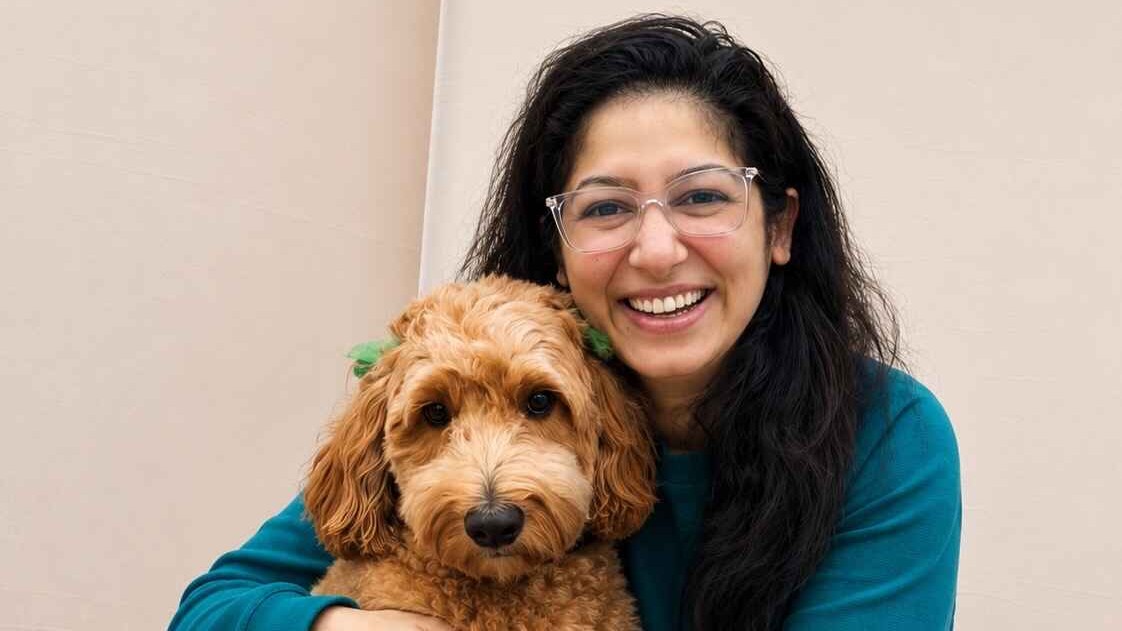
What do you do at Mott MacDonald and what are you currently working on?
I work at the intersection of data, AI and project delivery where I shape how we use data to improve decision making across complex projects. Currently, I am tackling two challenges: 1) building a connected data ecosystem that brings together enterprise systems, and 2) project level insights and advancing AI adoption across the region. This includes identifying practical use-cases, enabling teams to use tools effectively and ensuring we approach AI in a way that is both responsible and value-driven.
What does a typical workday look at Mott MacDonald?
I enjoy the fact that every day at Mott MacDonald is a little bit different. My time is usually split between working with leadership to shape direction, collaborating with teams to solve specific challenges, and translating complex ideas into clear, practical directions. A big part of my role is creating clarity in areas that are still evolving and connecting the dots to ensure what we build is both technically sound and practically useful.
What opportunities have you had to grow your specialism or develop your career here?
I have had the opportunity to work across different areas and take on increasingly strategic roles. I believe the biggest factor contributing to my professional development is being able to move between detail and big picture thinking. The organization has granted me the space to take ownership and shape initiatives, which have been instrumental to my professional growth.
What’s one practical way you’re seeing AI improve project delivery today?
One of the biggest opportunities I see is reducing the time we spend looking for information and increasing the time we spend using it. Whether its finding lessons learned from previous projects, summarizing large documents, or helping teams get up to speed faster, AI can help us spend less time searching and more time delivering. If AI can save every project team member even a few minutes a day, that adds up to a huge impact across a project and across the organization.
How do you help teams feel confident using AI in their day-to-day work?
I try to make AI feel less like a technology project and more like a helpful teammate. The best way to build confidence is to start small. I encourage people to use AI on tasks they already do every day, from drafting emails to summarizing meetings, or brainstorming ideas to finding information faster. Once people see it helping with real work, the confidence comes naturally. I also remind teams that they don’t need to be AI experts. Curiosity goes a long way, and sometimes the best AI users are simply the people willing to experiment and learn.
What does “responsible AI” mean in the context of your work?
For me, responsible AI means using AI to support our expertise, not replace it. AI can help us work faster, spot patterns, and explore ideas, but our people remain accountable for the decisions we make and the advice we give. It’s about using AI thoughtfully, protecting information, and making sure human judgement stays at the center. Or put another way: AI can help write the first draft, but people always own the final answer.
At work, how do you manage your well-being and safety?
I try to be intentional about how I work. For me, safety and well-being starts with creating a sustainable rhythm. This means prioritizing what matters most, setting boundaries when needed and making space to reset so I can stay effective. I also think psychological safety is important. Being able to do your best work comes from being in an environment where you can ask questions, ask for help, challenge ideas constructively and speak openly.
What does it mean to you to be trusted to do brilliant things at Mott MacDonald?
It means being given the space to think, challenge and build something meaningful. It also means having ownership for your ideas and being accountable for their outcomes. I believe that trust brings out the best in people.
How do you collaborate with colleagues to achieve common goals?
For me, collaboration is about alignment, clarity and trust. It means making sure everyone understands the ‘why’ before jumping into the ‘how.’ Once that’s clear, teams move much faster and with more confidence. Additionally, I think it’s important to encourage everyone to speak up and share their insight. The best outcomes come when diverse perspectives are actively encouraged.

How does Mott MacDonald create an environment where you feel empowered and supported?
I feel most empowered in environments where trust and collaboration go hand in hand. Mott MacDonald gives us meaningful opportunities, encourages different perspectives and supports growth through real responsibility. For me, that support has come through being trusted to take on complex work, contribute strategically, and continue growing my specialism.
What advice would you give to someone looking to start their career with Mott MacDonald?
Stay curious, ask questions, and don’t be afraid to step into areas that aren’t fully defined yet. That’s often where the most interesting work happens. Also, look for opportunities to add value, even outside your immediate role because that’s where real growth happens.
Is there anything else you’d like to add about your experience with Mott MacDonald?
It’s an exciting time to be working at the intersection of data, AI and project delivery. There’s a real opportunity to shape how things are done for the future and that’s what makes the work meaningful to me. What I enjoy most is the ability to work on impactful and complex challenges while continuing to grow, both professionally and personally. It’s a journey and I am still learning every day.
FIND YOUR NEXT JOB WITH US
We are looking for enthusiastic, inspiring, and committed people to join our growing team.
