




Why we need a manufacturing mindset on UAE buildings projects
Early adoption of off-site construction can reduce exposure to labour and materials shortages caused by regional conflict in the Middle East, improve cost certainty and shorten delivery programmes.
When projects are tendered with a precast or modular design from the start, not redesigned mid-way, it creates a level playing field for evaluating contractors on cost and delivery.
Late design changes are common on Middle East buildings projects and cannot be accommodated with a modular solution. To build faster and smarter, we need to start planning and designing more like manufacturers.
Article
Designing buildings for off-site construction from day one
Offsite-construction techniques have the potential to transform project delivery in the UAE, cutting programme times and improving quality. Mohamad Hamade, client director for project delivery in the Middle East at Mott MacDonald, says real progress depends on shifting to a manufacturing mindset.
There is a big divide between building projects in the Middle East that are planned and designed around off-site construction from day one, and those that aren’t.
On the one hand, there are some outstanding examples of project delivery with modern methods of construction (MMC) in the UAE. On one of our projects, a model villa was designed and delivered with modular construction in less than two months, ready for repeat production. On large-scale residential developments, 30% to 50% reductions in overall programme time frames have also been achieved.

On the other hand, there are also examples of projects where the late adoption of precast or modular construction has led to redesigns, duplicate building approvals and poor coordination across the supply chain, which slows down delivery and adds cost.
With ongoing pressures on project costs in the Middle East due to the regional conflict, MMC is more strategically important than ever. Early adoption of off-site construction can reduce exposure to labour and materials shortages, improve cost certainty and shorten delivery programmes.
The following steps can help to avoid some of the mistakes that undermine project outcomes and improve delivery at scale.
Design for off-site construction from day one
One of the biggest challenges is that most developments in the UAE are still designed around traditional, in-situ construction methods. MMC solutions are often only considered later, when contractors look for ways to build faster and more efficiently. At this point, designs need to be revised for off-site manufacture and approval processes need to be repeated.
Unless we start designing for precast and modular construction from day one, many of the time and cost benefits will continue to be lost.
Think like a manufacturer
As an industry, we need to shift from a ‘building’ to a ‘manufacturing’ mindset.
Late design changes are common on Middle East buildings projects and cannot be accommodated with a modular solution. Shifting to MMC creates an opportunity to improve planning, coordination and precision, locking in designs earlier and reducing reliance on late-stage, on-site flexibility.
By resolving design and manufacture issues early on, it’s possible to achieve greater standardisation, which is essential for repeatable production, higher quality and long-term efficiency.
By moving more construction work off-site, quality can also be monitored, tested and verified throughout the manufacturing process. On-site coordination is smoother and quality assurance is more robust and predictable.
Engage suppliers early
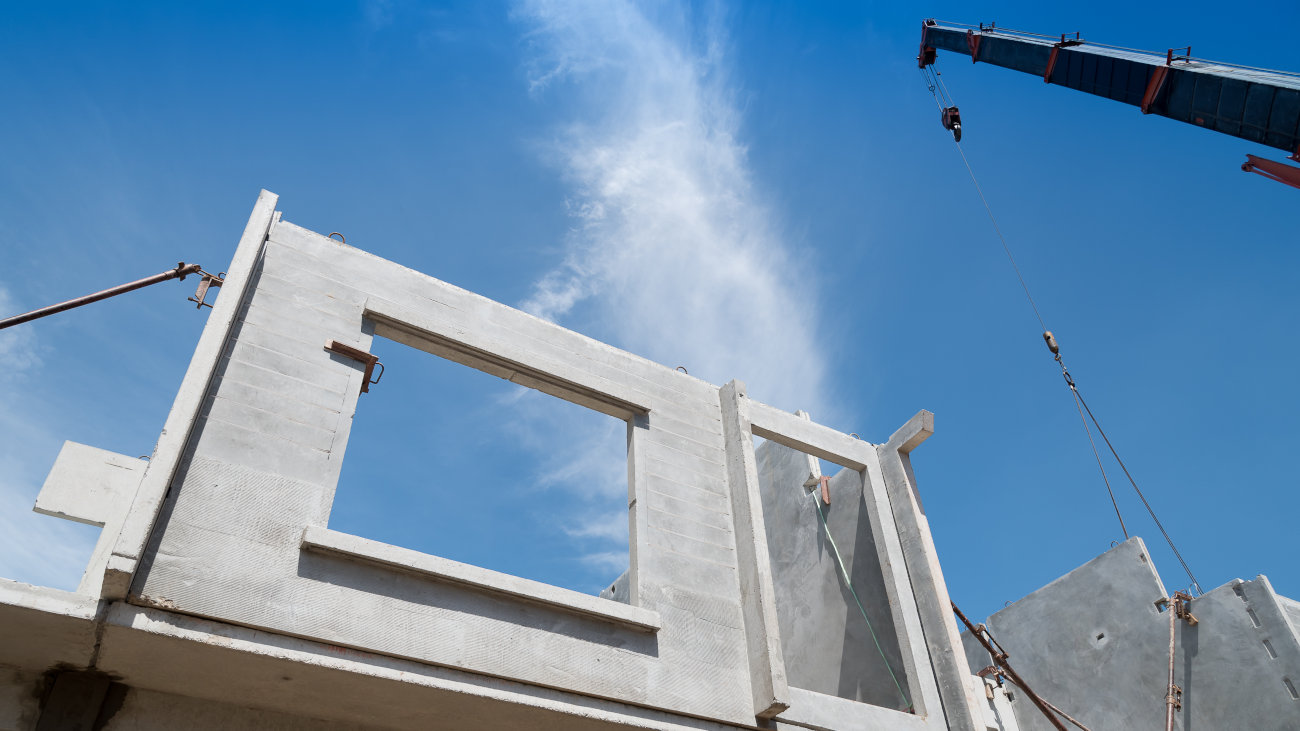
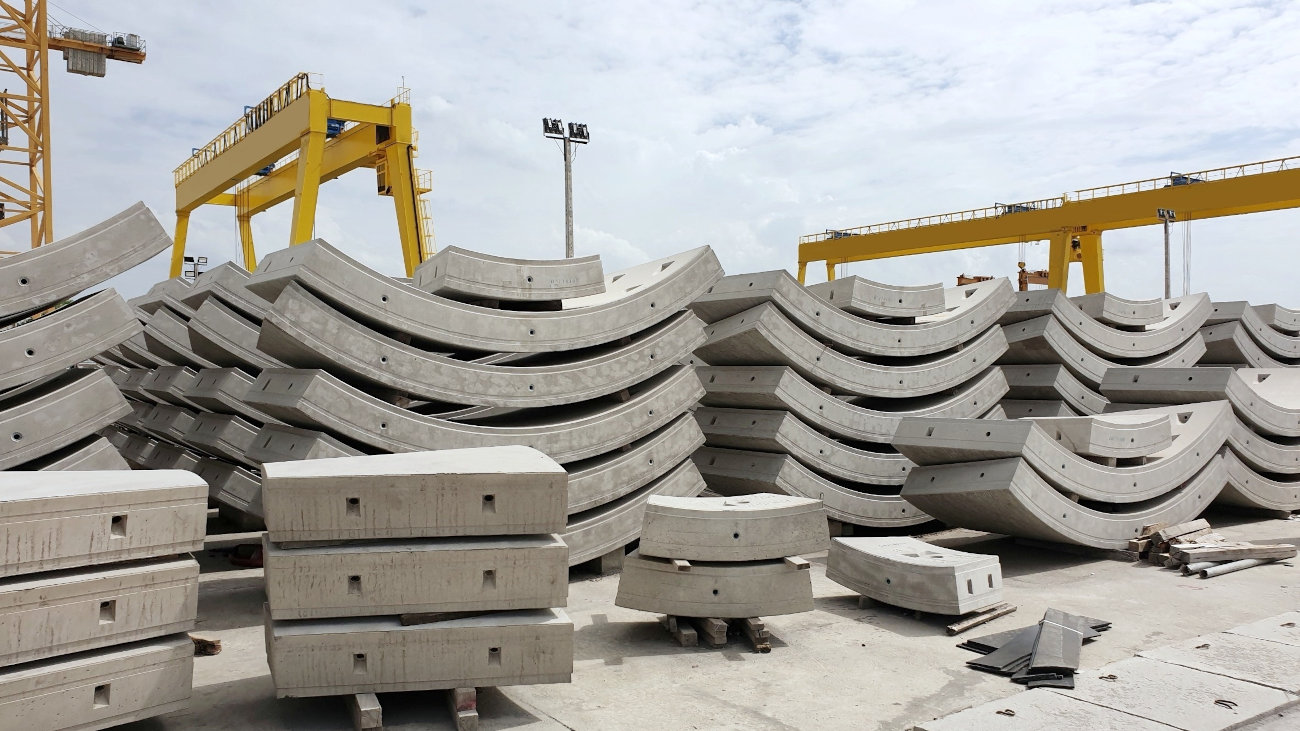
Developers need the support of an MMC specialist and suppliers at the concept design stage to advise on the full range of solutions – from precast beams, pre-engineered panels to 3D pre-assembled rooms. Design decisions will also be dependent on available manufacturing capacity, which is a challenge in the Middle East. An MMC consultant will be able to advise on how production can be spread across multiple factories.
Procurement also becomes more transparent when projects are tendered with a precast design from the start. The main contractor can focus on preparing the site and civil works, while the MMC specialist manufacturer is responsible for supplying and installing the precast elements.
This creates a level playing field for evaluating contractors on cost and delivery. Too often, contractors bid for projects designed around traditional in-situ construction but end up redesigning for off-site delivery.
Focus on lifecycle cost, not just capital cost
One of the main reasons why developers continue to plan projects for traditional in-situ construction is that upfront capital costs are lower compared with off-site solutions.
Paying for materials, factory production and specialist design at the outset of precast or modular project is off-putting. It doesn’t fit well with a traditional procurement mindset.
But with a focus on the project lifecycle, it’s clear that precision engineering of components in a factory can significantly speed up on-site installation, reducing contractors’ time and labour costs.
Planning for precast or modular construction from the start also improves safety. By simplifying on-site construction, there are typically 20% to 30% fewer, more highly skilled workers needed on-site. This reduces risks so specialists can use their skills to drive up standards.
Aim for scale
MMC suppliers need predictability to be able to deliver building components and modules efficiently at scale. This will be essential to meet the demands of large-scale residential developments in the UAE and mega projects in Saudi Arabia.
However, not every large-scale project is a good fit for MMC. There are practical limitations around lifting and transporting large modules, while architecturally distinctive buildings with bespoke elements simply can’t be produced off-site in a factory.
As offsite-construction techniques and technologies continue to advance, some of today’s challenges are being addressed. But MMC success in the Middle East depends less on technical innovation and more on a shift in mindset towards standardisation and repeatability, where it makes sense.
If we want to build faster and smarter, we need to start planning and designing more like manufacturers.
Five principles for successful off-site construction
- Design for off-site construction from day one
Designing for tradition in-situ construction and switching to off-site methods mid-way through a project wastes time, increases costs and erodes value. - Think like a manufacturer
Standardise designs where possible – repeatable processes lead to better quality control and predictable outcomes. - Engage suppliers early
Plan supply chain capacity at concept stage. Design decisions are dependent on available manufacturing capacity and production may need to be spread across multiple factories. - Focus on lifecycle cost, not just capital cost
Upfront capital investment in MMC is higher, but it creates significant value through faster, safer, higher-quality project delivery. - Aim for scale
Off-site construction is most effective at large scale. Establish robust planning, design and coordination processes, and then repeat to maximise benefits.
About the author

Build fast, build smart
Middle East developers need to manage costs and uncertainty on buildings projects. Advanced design, engineering and construction techniques make it possible to build faster and smarter, supporting investment in better quality developments that people want to call home.

Subscribe for exclusive updates
Receive our expert insights on issues that transform business, increase sustainability and improve lives.