




How the highways and transport sector is doubling down on climate action
The Chartered Institution of Highways and Transportation report aims to determine priority actions in highways and transportation to address climate change over the next three years
The Mott MacDonald sponsored report contains seven recommendations for the sector, including upskilling and public-focused story telling
The initiative has inspired participants to make personal pledges and emphasises the importance of collective action to drive meaningful change in the industry
Determining priorities on climate action
A new initiative will better equip highways and transportation professionals to determine their priorities and actions on climate change, says Mott MacDonald transport and mobility solutions project director, Annette Smith.
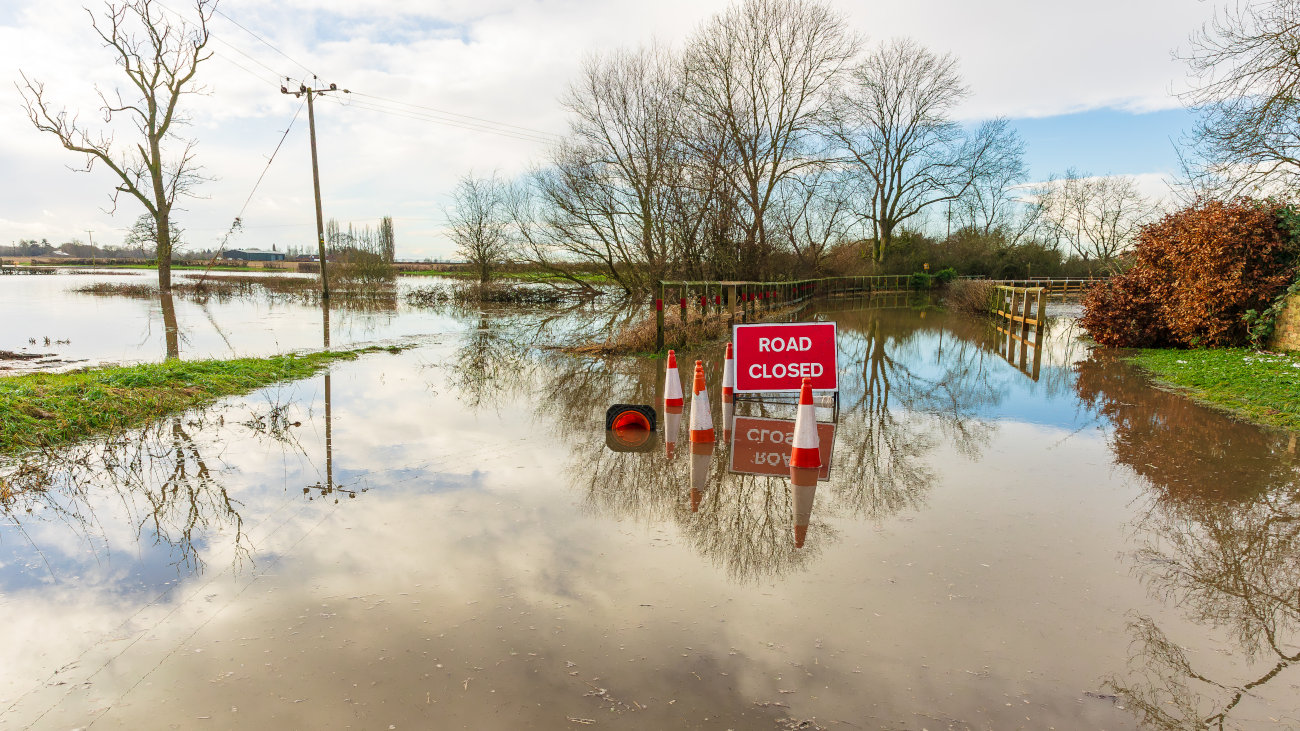
The launch of a new report by the Chartered Institution of Highways and Transportation (CIHT) on industry climate action is different from other industry reports that have come before it. This one is based on the views and aspirations of many, rather than the guidance of select industry experts.
The CIHT CLIMATES – Changing Landscapes for Infrastructure and Mobility: Assessing Transport and Environment Scenarios – initiative is the result of a series of workshops with members both in the UK and overseas. The report brings forward their views, their pledges for taking personal action and seven recommendations for the sector that I believe can drive real change and create significant impact.
The overall aim of the work was to answer one key question: In an uncertain world, what priority actions in highways and transportation should we double down on in the next three years to meet the unfolding challenges of climate change as we look out to 2035 and beyond?
The highways and transportation sector has a critical role to play for wider society because transport currently accounts, in terms of direct emissions, for around a fifth of global carbon emissions. Our sector carries a lot of responsibility for addressing the overall goals around net zero and our work can support efforts to adapt to the changing climate to build resilience too.
Creating a shared view
CIHT CLIMATES was designed to bring transport professionals together to form a shared view on what needs to change to address the medium to long-term impacts of climate change.
Participating in this initiative has been both sobering and inspiring. “Doubling down” on something means putting in more effort, and the enormity of the task ahead is daunting. Yet the passion, commitment and expertise shown by the participants, who have all volunteered their time, has been truly uplifting. It's a testament to what we can achieve when we come together with a shared purpose.
While each individual who took part in CIHT CLIMATES made a personal pledge, the work undertaken in the workshops has helped inform recommendations for the wider industry, which are:
- Equipping professionals for climate change – climate action on the scale required to meet that goal demands a rapid upskilling of the highways and transportation profession
- Public-focused, positively-orientated storytelling – CLIMATES participants repeatedly highlighted the importance of public support for change, not least because other more immediate pressures often crowd out concerns about climate change or can prompt resistance to climate action
- Demonstrating that transport decarbonisation is on track – the Climate Change Committee’s progress reporting for transport has been critical in some key areas and has pointed to where there is still much to achieve in coming years
- Effective working between professionals and government – it is not clear whether existing forms of convening between the sector and governments are sufficient, either top-down led by government or bottom-up led by industry or sector organisations
- Reappraising appraisal to prioritise future wellbeing – appraisal guidance and practice are always at risk of failing to keep pace with a changing world or a world that needs to be changed
- Prioritising climate action in national transport strategies – these explain what governments expect from the transport system and how they would like to achieve those goals and provide industry with a stable, strategic framework within which they can invest and innovate to deliver
- Pricing to address transport’s true cost to society – the transport sector needs to tackle the challenge of socially fair and environmentally efficient pricing in support of climate action
This work will make a difference and I am pleased that Mott MacDonald and Ringway sponsored this initiative to enable CIHT to deliver this ground-breaking report – but the publication is just the start. As an industry, we must take responsibility to put the seven recommendations into action.
I urge you to read the report, let it inspire you and make your own pledge – whether in your workplace, your home or your community. As a sector, we possess a powerful voice and the capacity to drive meaningful change.
Further information and a full version of the report is available at ciht.org.uk/climates

Subscribe for exclusive updates
Receive our expert insights on issues that transform business, increase sustainability and improve lives.