




Looking below the surface: Rethinking flood resilience for a changing climate
As climate-driven flooding intensifies, recent disasters are making it clear that surface-level defenses, while valuable, cannot alone provide the protection modern cities need.
Underground infrastructure such as deep tunnels and storage systems adds critical capacity and reliability by capturing and holding excess water when surface systems are overwhelmed, without competing for limited urban space.
Together, these realities are driving a shift toward a hybrid, systems-based approach that integrates surface, nature-based, and subsurface solutions to deliver more resilient, future-ready cities in North America.
Article
The new reality of flood risk and urban resilience
Across the world, cities are confronting an uncomfortable reality: in the last 20 years, extreme flooding disasters have doubled. From coastal storm surges to intense inland rainfall, recent disasters have shown that traditional, surface‑based flood solutions alone can no longer provide the level of protection modern cities require. At Mott MacDonald, we see this as a system‑wide resilience issue, demanding a new way of thinking about how cities plan for the future.
Why surface solutions are reaching their limits
Over the past two decades, significant progress has been made in surface flood management. Cities have embraced floodable parks, deployable barriers, smart levees, and nature‑based solutions that deliver environmental and social value alongside flood mitigation. These interventions play an important role, particularly for frequent, lower‑intensity events.
However, recent events, including Hurricanes Sandy and Ida in the United States, and Storm Daniel in Libya, have highlighted the physical limits of surface infrastructure when faced with extreme rainfall, rapid runoff, or storm surge. Dense urban development leaves little room for large‑scale detention at ground level. Steep topography can overwhelm infiltration‑based systems, and when rainfall intensity exceeds design thresholds, water will always find a path, regardless of surface defenses.
The conclusion is clear: surface infrastructure is necessary, but it is no longer sufficient.
The strategic role of underground flood infrastructure
Underground infrastructure fundamentally changes the equation. By moving flood management below ground, cities gain access to scale, flexibility, and reliability that is often impossible to achieve at the surface – particularly in constrained urban environments.
Deep tunnels and underground storage caverns can be implemented to capture excess flows by diverting floodwaters away from vulnerable areas, and temporarily store vast volumes of stormwater until systems recover. Crucially, they do this without competing with buildings, transport corridors, or public space.
A hybrid model for future‑ready cities
The most resilient cities are not choosing between green infrastructure and underground engineering – they are integrating both. At Mott MacDonald, we advocate a hybrid flood resilience strategy, where each component plays to its strengths:
- Surface and nature‑based solutions that manage everyday rainfall, enhance liveability, and deliver environmental benefits.
- Advanced modeling, forecasting, and early warning systems that improve preparedness and protect life.
- Deep underground conveyance and storage systems that provide capacity and reliability when extreme events exceed surface infrastructure limits.
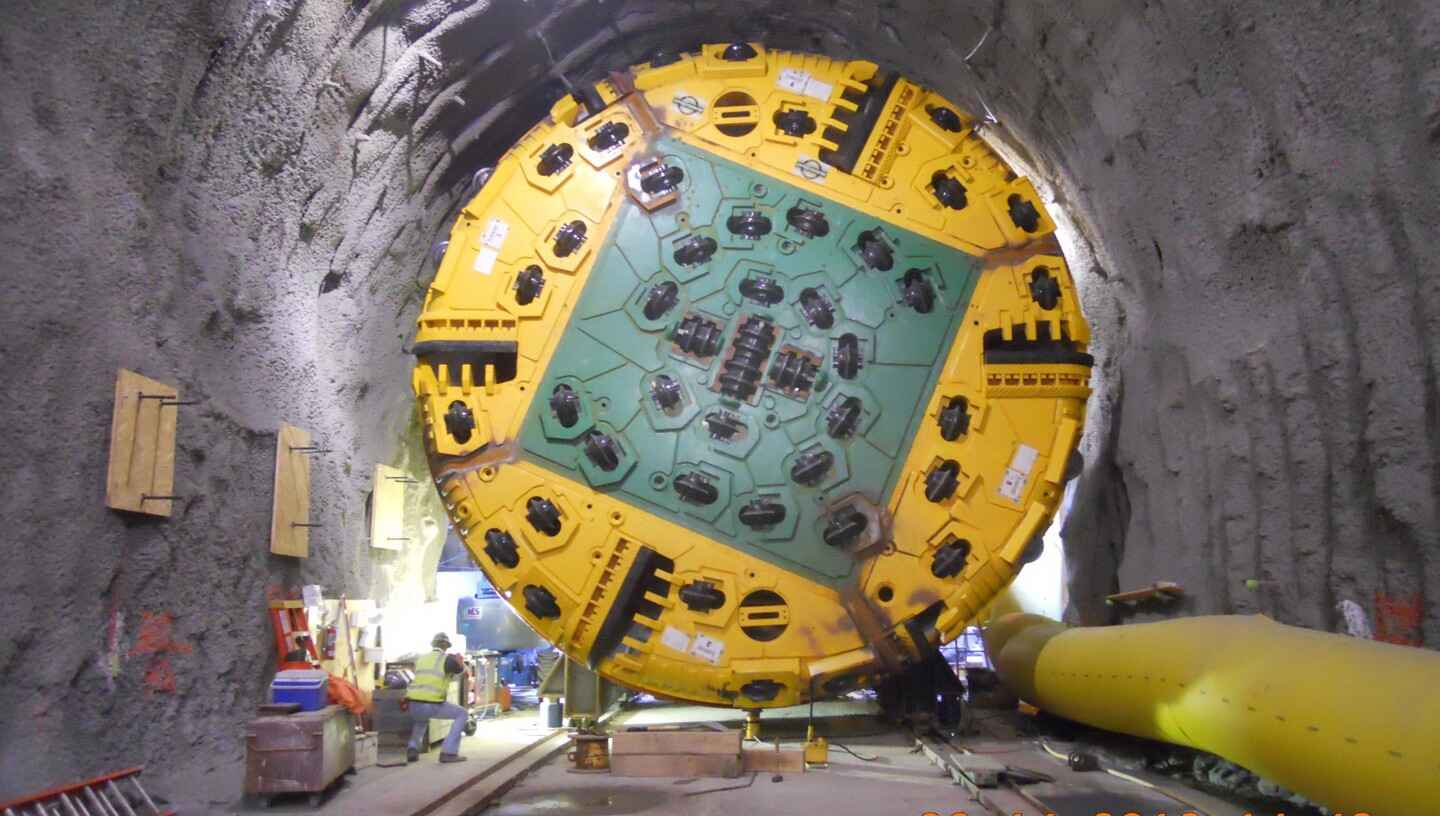
What has changed and is continuously evolving is the feasibility of delivering underground solutions. Advances in geotechnical investigation, three‑dimensional ground modeling, tunnel boring machine (TBM) technology, and tunnel and shaft support systems have significantly improved predictability, reduced risk, and enabled construction in increasingly complex ground conditions. Access to better climate data and models has provided a basis to inform hydraulic design parameters to account for increases in storm intensity, future water surface elevations and storage volume requirements.
These innovations allow cities to consider underground flood infrastructure not as a last resort, but as a practical and resilient component of long‑term urban planning.
How we deliver flood resilience underground
Around the world, these principles are already being put into practice to address different flood risks and urban constraints.
In Cleveland, Ohio, the Euclid Creek Storage Tunnel is part of the wider Project Clean Lake program, a major regional effort to reduce overflows and improve water quality in Lake Erie. The tunnel plays a key role by capturing and storing excess stormwater during heavy rainfall, helping to reduce flood risk for surrounding communities.
In London, the Thames Tideway Tunnel – often referred to as the “super sewer” – captures and conveys excess flows that would otherwise overwhelm aging infrastructure, helping to protect the River Thames and the city from pollution and flood-related impacts during storms.
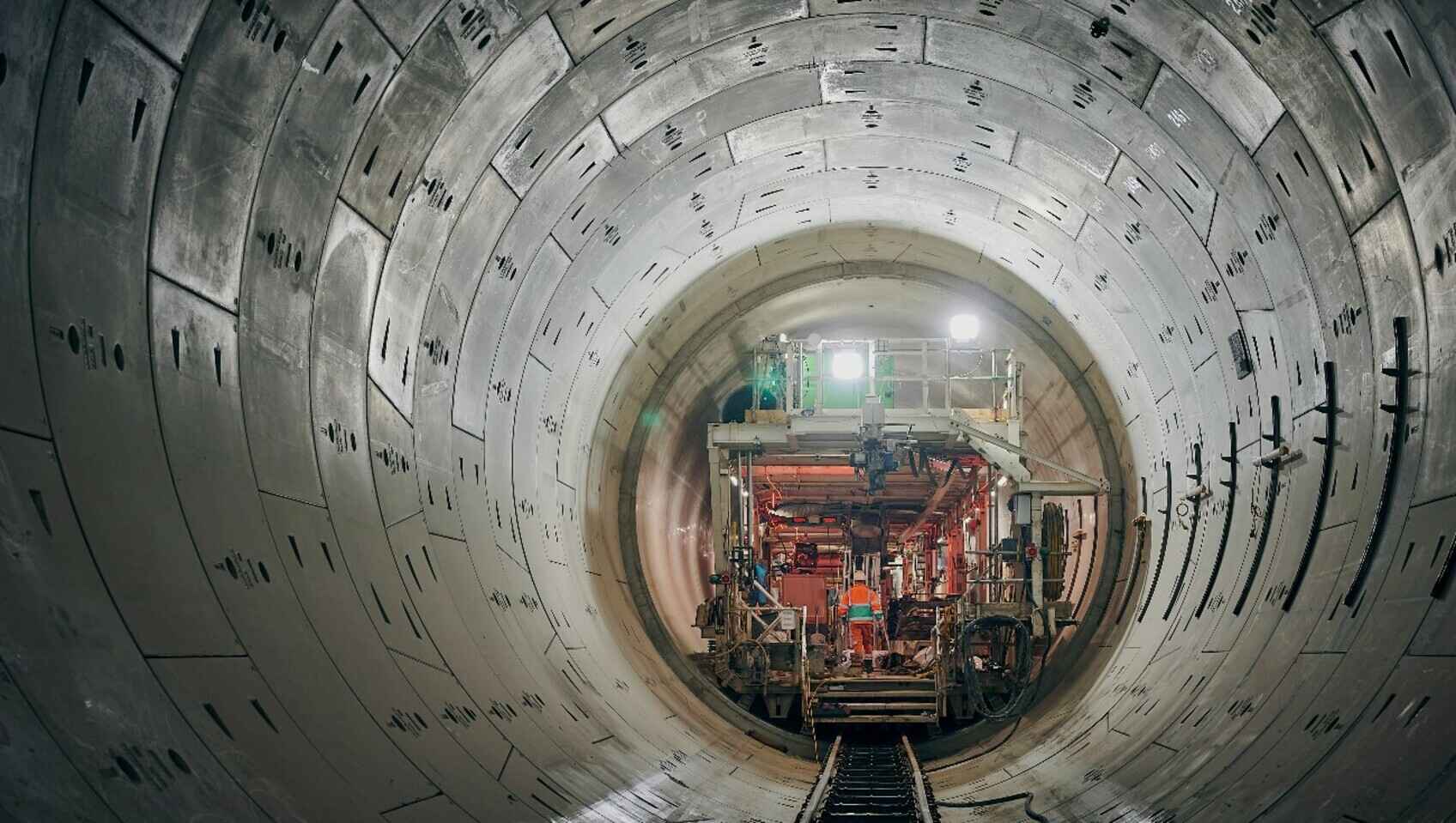
Meanwhile, Kuala Lumpur’s SMART Tunnel illustrates how multifunctional underground infrastructure can deliver dual benefits of social outcome and flood control. By switching between road and stormwater modes, it not only alleviates chronic traffic congestion but also diverts and stores floodwaters during peak events, preventing damage in highly urbanized areas.
Engineering resilience beyond the project
Flood resilience is not just about infrastructure – it is about confidence. Confidence for communities that their homes and livelihoods are protected. Confidence for businesses and investors that cities can withstand climate shocks. And confidence for governments that their investments are delivering lasting value.
From our global experience across water, transport, energy, and underground infrastructure, we understand that successful flood solutions require technical excellence, integrated planning, and a deep understanding of local context. Whether advising on strategy, designing complex underground assets, or supporting clients through delivery, our role is to help cities make informed, future‑focused decisions.
Looking down to move forward
As climate volatility accelerates, the cost of inaction – or partial solutions – will continue to rise. The question facing city leaders is no longer whether surface infrastructure can be improved, but how cities can build layered and adaptable resilience into the very fabric of the urban environment.
For many, the answer lies beneath their feet.
By combining surface innovation with intelligently designed underground infrastructure, cities can move from reactive flood response to proactive, long‑term resilience. At Mott MacDonald, we believe the future of flood management is three‑dimensional – and that the most resilient cities will be those willing to look below the surface to protect what matters most above it.


