




Rail safety at a turning point: what next for Great Britain’s railways?
Rail safety is evolving beyond major incident prevention to encompass fatigue, wellbeing, accessibility and day to day operational conditions.
Aligning engineering, human factors and operational insight is essential to address safety as a whole-system challenge.
The transition to Great British Railways presents a once-in-a-generation opportunity to reshape safety deliberately.
Article
How Great British Railways can reshape rail safety across Great Britain
This year’s Rail Safety Week – 15 to 21 June – comes at a time of real change for railways in England, Scotland and Wales as Great British Railways (GBR) starts to take shape. The change to GBR means the industry is being asked to work more coherently across track and train and expectations from passengers, staff and government to see a positive impact both in the short and long term are growing.
That makes 2026’s Rail Safety Week more than a moment for reflection. It is a moment for the industry, from GBR and Network Rail to operators and suppliers, to make some clear choices about what comes next if we’re to continue improving rail safety.
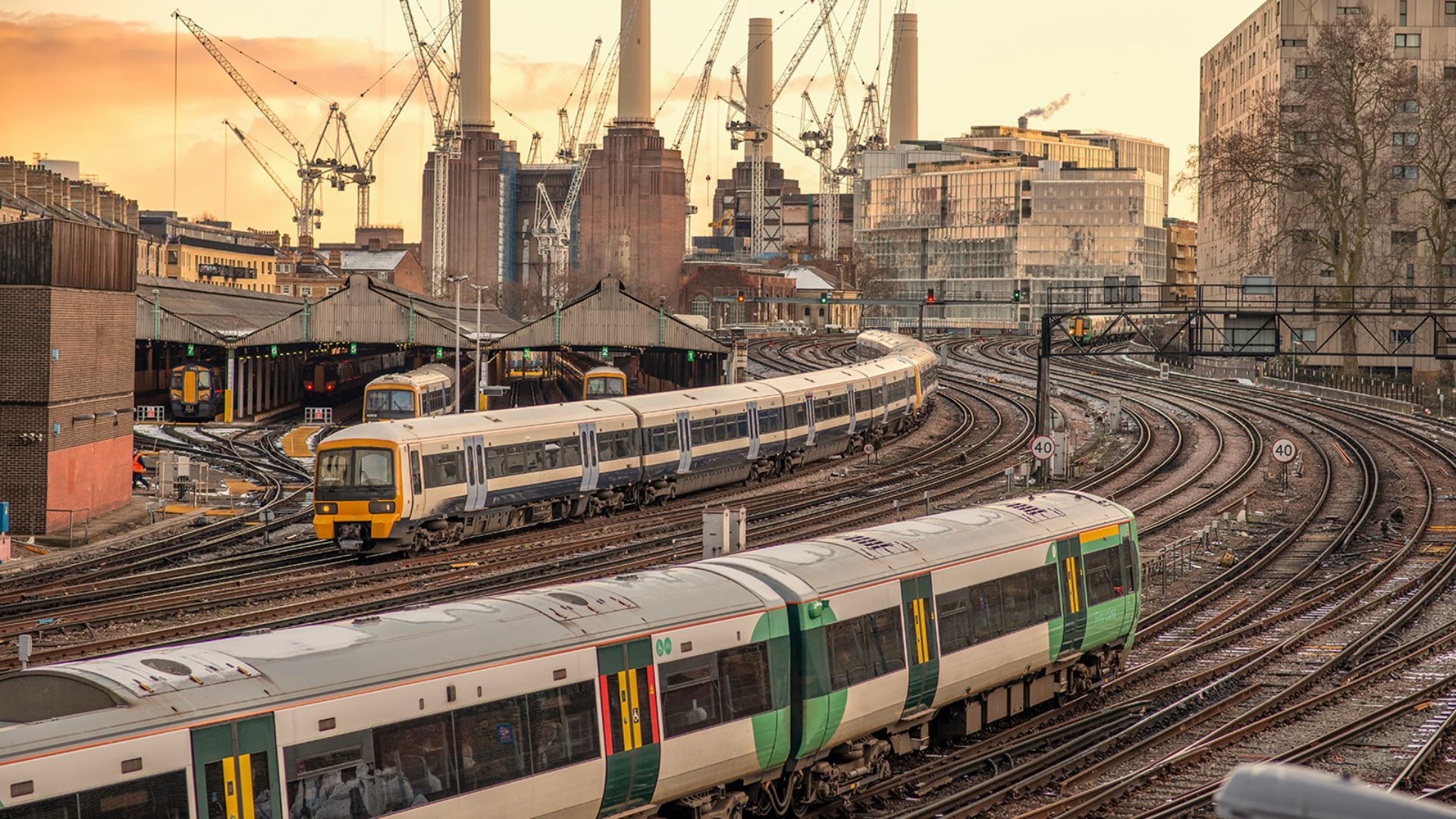
Operational safety has improved significantly over recent decades, but the pressures now shaping performance sit beyond traditional safety management: complex multi-stakeholder decision-making, inconsistent interfaces and changing customer needs. The answer is not more process, but a railway that works better as one system – joining up track and train – and ensuring that organisational arrangements are focused on the needs of passengers and staff. These are not side issues, they go to the heart of performance, resilience and trust.
Great Britain’s railway is far safer than it was in the 1980s, in the years around privatisation, or even a decade ago. But safety in 2026 is no longer only about preventing major incidents. It is also about fatigue, stress, accessibility, information, personal security and the day-to-day conditions in which people work and travel. That wider definition matters now because with the establishment of GBR, the industry has a once-in-a-generation chance to shape it deliberately, rather than let it evolve unevenly.
Safety improved when rail widened its view
Modern rail safety has been shaped by hard lessons. Major incidents such as Clapham, King’s Cross, Ladbroke Grove, Hatfield and Potters Bar changed how the industry understood and approached risk. They did not just lead to technical or procedural fixes. They changed the culture – attitudes to fatigue, working hours, station design, management of investigations, human factors and the need to look beyond a single failure to the wider system around it. That is one reason the railway industry today is more rigorous and mature in how it manages safety than it was in previous decades.
That history also explains why assurance and process became so central. Over time, the industry adopted more formal ways of identifying hazards, recording decisions and demonstrating that safety risk has been adequately managed. That brought consistency and traceability. But it also created a tension that still matters now: process is essential, but it cannot replace competence, judgement or operational understanding. A safer railway is not produced by paperwork alone. It depends on capable people, good communication, information and clear accountability.
At Mott MacDonald, we’ve responded to this shift by embedding dedicated rail safety capability within multidisciplinary teams, bringing engineering, human factors, safety management expertise and operations together to align with how risk actually plays out in the real world.
The biggest risks now sit between disciplines and organisations
The rail industry should be proud about what it has achieved over recent decades, underpinned by a cultural shift towards what is – and isn’t - acceptable. Monitoring is better. Risk is more clearly understood. Asset condition data and remote monitoring have advanced significantly. Accessibility and the passenger interface have improved in many areas. The industry is also much better at interrogating the wider root causes behind an incident rather than focusing on single points of failure.
But today’s challenge is no longer mainly about whether the railway takes safety seriously. It is about whether the system is set up to respond to a broader scope of risks in a joined-up way.
That challenge is also about capability. Over time, the industry has seen a loss of multi-skilled, cross-disciplinary expertise as a result of fragmentation, with skills often sitting in silos rather than across the system or having left the industry completely. As GBR takes shape, rebuilding that breadth of capability, through upskilling, better integration of disciplines, and greater focus on digital and systems thinking, will be critical if the railway is to operate and respond as one.
While the railway still operates across many interfaces, accountability often sits within individual organisations and with many operational and customer risk interfaces between them. For example, when disruptions incur a service delay, responsibility for decisions, information and passenger support can span infrastructure owners, maintainers and operators. That affects how quickly decisions are made, how clearly information moves and how disruption is experienced. GBR should help address this by bringing greater alignment across the system.
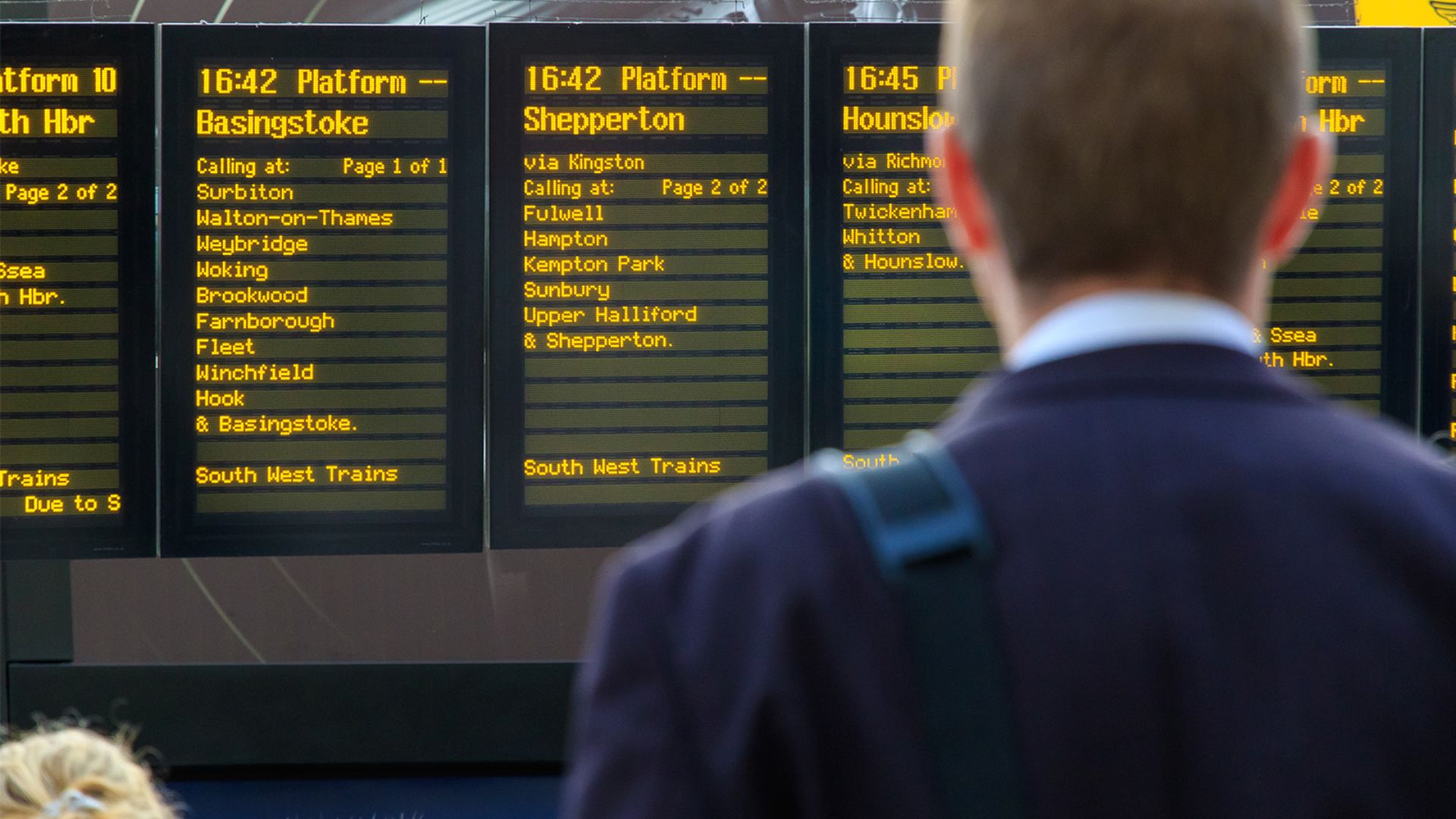
Health and wellbeing also need much greater focus. This is not theoretical: the Rail Safety and Standards Board says sickness absence in rail is nearly twice the national rate and results in over a million lost workdays every year, while fatigue is a factor in 20% of high-risk incidents. That means the challenge now is not just whether people feel stretched, but whether fatigue, stress and poor welfare are quietly driving absence, eroding resilience and increasing operational risk across frontline, control and maintenance roles.
Passengers too have evolving expectations. For one, they do not experience the railway as separate organisational interchanges but as one journey. When the system fails to work together, the emotional and behavioural consequences can be immediate. In an Office of Rail and Road review of stranded train incidents, it was found that, over 70 days, 75 incidents occurred, with 20 evacuations and six cases where passengers took matters into their own hands and climbed out; a high-risk behavioural response which could end in multiple fatalities. That is why speed of response and information, education, assistance, personal security and clear decision-making now sit at the centre of the safety challenge, not at the edges of it.
Reform only matters if it changes outcomes
GBR matters because it should make it easier to improve consistency across the network, connect systems and make better long-term decisions across infrastructure and operations. Done well, it will help the industry think more clearly about safety, performance, customer information and asset strategy as parts of one interconnected whole. That is the potential prize: not just a different structure, but a railway that works more coherently for the people who use it and the people who run it.
But structure is not the same as solution. In practice, GBR will inherit a complex mix of legacy systems, operating models and ways of working from across the network. Bringing those together – aligning processes, standardising decision-making and creating a single view of risk and performance – will be one of the biggest short-term challenges. It requires the support of people and organisations that understand how the railway works end-to-end, and can help translate that complexity into clearer, more consistent ways of operating.
That is why the real test of reform is not whether the railway looks more joined up on paper. It is whether decisions become clearer, accountability becomes stronger, and outcomes improve in the places that matter most: safety, resilience, security and passenger confidence. If funding remains tight, that judgement becomes even more important. The railway will need to be more selective about where it invests and more disciplined about which interventions genuinely improve outcomes, linking data, operations, workforce wellbeing and customer experience as part of the same performance challenge.
The next gain will come from working better together
The safety progress made over recent decades should not be understated but the next gains will not come from repeating what has already worked. They will come from dealing more effectively with the risks that sit across boundaries: between organisations, between disciplines and between operational performance and human experience.
That means taking health and wellbeing more seriously. It means thinking more clearly about passengers and staff together, but also about their evolving needs which are unique to them. And it means using reform to make the railway work better as one system, not just reorganising it. This is what as an industry we need to think clearly about in Rail Safety Week this year, so that in a decade from now we can look back and see another real step change.
If the industry can do that, the result will be more than a safer railway. It will be a better railway: more resilient, more accessible and more consistent in how it responds when things go wrong. That reliability of response matters just as much as the reliability of the system itself. It is an opportunity the industry should take seriously.
Subscribe for exclusive updates
Receive our expert insights on issues that transform business, increase sustainability and improve lives.